 VIETNAMESE
Why is Ecosoi committed to producing pineapple fabric according to sustainable standards?
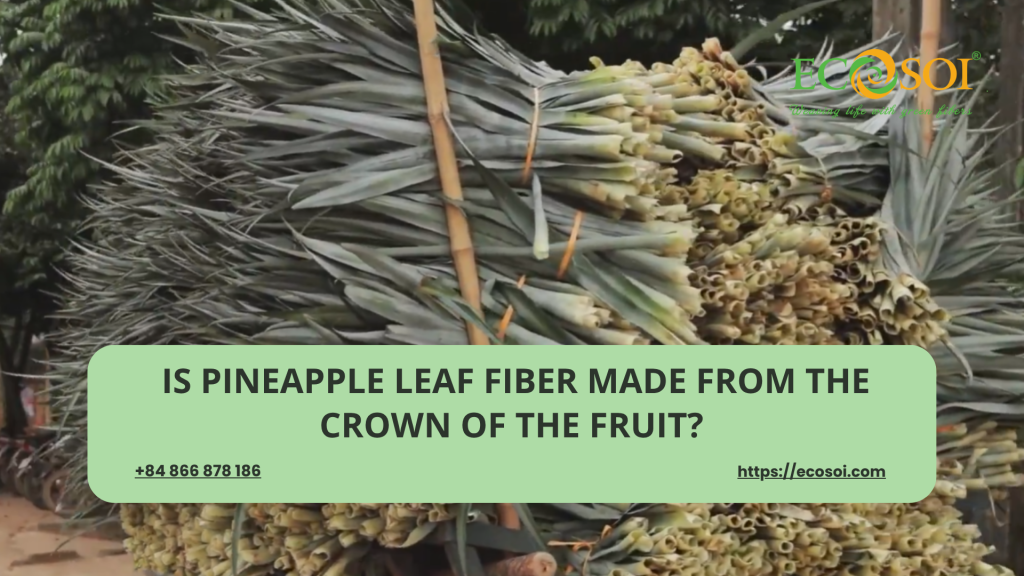
Ecosoi is one of the leading brands in researching and producing bio-fiber fabric made from pineapple leaves, a common agricultural by-product in Vietnam and Southeast Asia. While most pineapple leaves are discarded or burned—causing waste and environmental pollution—Ecosoi has chosen to unlock sustainable value from this seemingly worthless material.
With a development strategy focused on eco-textiles, Ecosoi not only creates environmentally friendly products but also aims to become a role model for circular fashion production in Vietnam.
Nội dung chính:
Why does Ecosoi choose sustainability as a core principle?
Responding to global environmental challenges
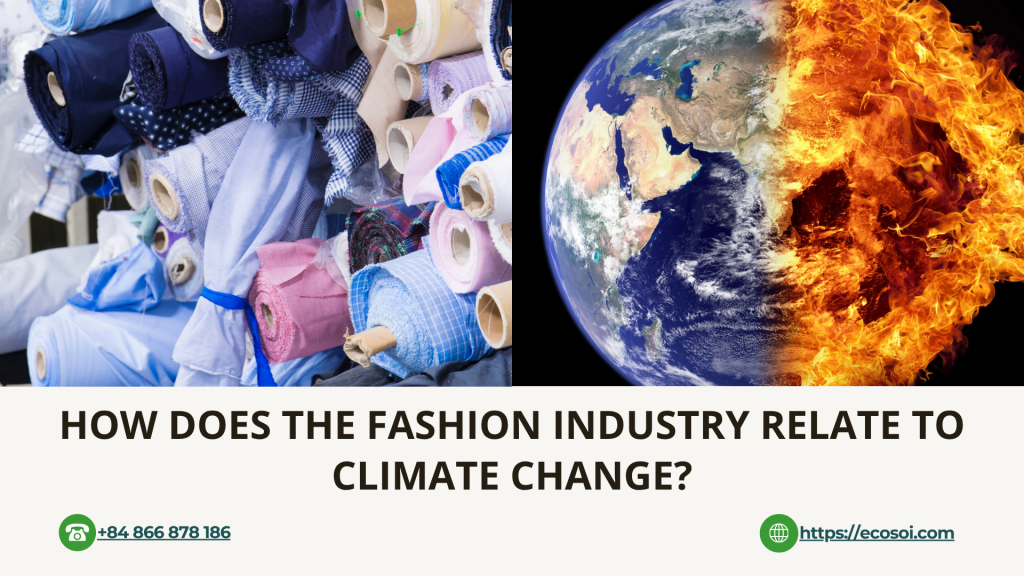
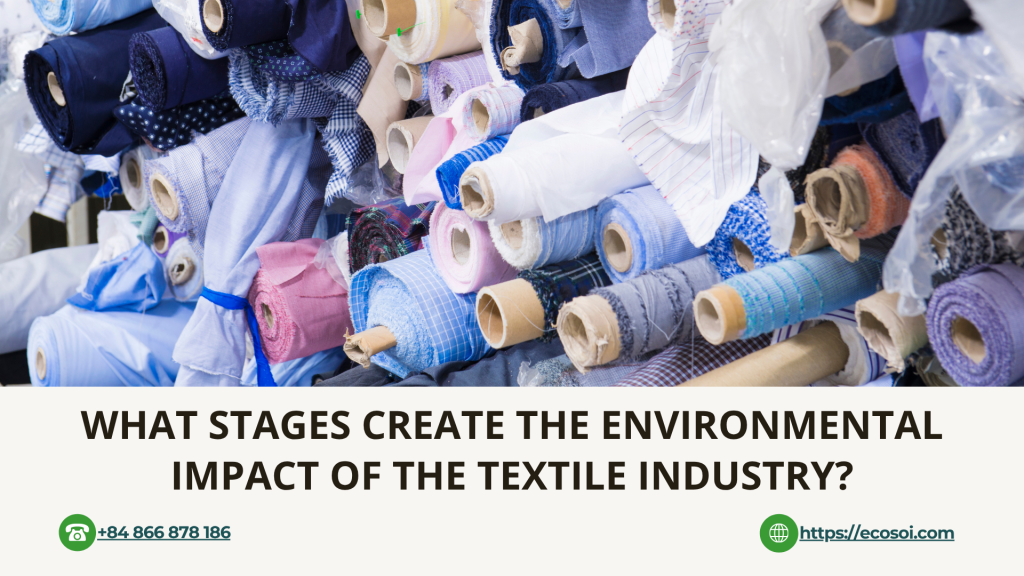
The textile industry is currently one of the sectors with the most significant environmental impact—consuming water resources, emitting greenhouse gases, and generating enormous waste every year. Under increasing pressure from the market and consumers for transparency and responsible sourcing, Ecosoi has embraced sustainability from start to finish.
This approach not only helps the business stay aligned with global fashion trends but also creates long-term competitive advantages, as international partners are prioritizing suppliers with responsible production processes.
Smart use of renewable resources
Unlike cotton or synthetic fibers, pineapple leaves do not require new cultivation. They are an agricultural by-product available in abundance after harvesting the fruit, especially in provinces like Ninh Binh, Thanh Hoa, and Tay Ninh. Ecosoi collaborates directly with farmers and purchases pineapple leaves that meet strict selection criteria, which helps:
- Regenerate value from agricultural waste
- Increase farmers’ income through sustainable production models
- Reduce exploitation of new resources and minimize pressure on the natural environment

Clean and safe production
Ecosoi uses a chemical-free pineapple fiber processing technology that avoids pollution. The production process is designed to:
- Save water, electricity, and energy
- Reuse water and organic by-products during processing
- Ensure safety for workers and end-users, reducing allergy and health risks

How does Ecosoi build a sustainable value chain from raw material to finished product?
Short and transparent supply chain
Unlike many businesses that rely on imported raw materials or fragmented supply chains, Ecosoi proactively builds a sustainable ecosystem following the “farm to fashion” principle:
- Raw materials are purchased directly from farmers through local cooperatives
- Primary processing and fiber extraction are carried out in environmentally controlled facilities
- Fabric design and weaving are performed at Ecosoi’s workshop, ensuring end-to-end quality control
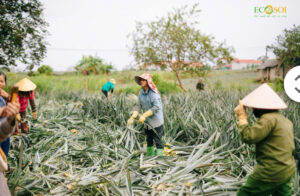
This short supply chain helps reduce transportation emissions and ensures traceability for every roll of fabric.
Optimizing the product lifecycle
Ecosoi designs its products to be biodegradable after use, minimizing textile waste. Unlike synthetic fabrics that take hundreds of years to decompose, pineapple fiber fabric naturally biodegrades without harming soil or the environment.
At the same time, the products are highly durable, wrinkle-resistant, and can be recycled into new textile materials—supporting a circular production model.

Connecting local communities through sustainable production
Ecosoi goes beyond “green” manufacturing by incorporating social impact through:
- Creating jobs for local people in fiber extraction and hand weaving
- Transferring pineapple processing technology to local cooperatives
- Sharing profits fairly to support stable livelihoods and long-term partnerships with communities

Conclusion: Ecosoi is redefining the future of Vietnam’s textile industry
Sustainable production is no longer optional—it is a vital trend for businesses to survive and grow. With strong commitment and long-term vision, Ecosoi is proving that Vietnam can build a bio-based textile industry with a unique identity, rooted in local agricultural by-products.
Every meter of pineapple leaf fabric made by Ecosoi is not just a fashion product—it is a powerful commitment to a greener planet, more resilient communities, and an ethical economy.