 VIETNAMESE
What are the benefits of a circular economy for businesses?
The global textile sector faces major challenges today. Climate change and strict environmental rules are tightening worldwide. As a result, the old linear model of “Take – Make – Waste” reveals growing business risks. In response, sustainable textile models are becoming the main solution. So, what are the benefits of a circular economy for businesses, especially in fashion? This framework goes far beyond basic social responsibility. In fact, it serves as a superior growth strategy. It helps cut costs, lower carbon emissions, and boost market competitiveness. This article explores these practical values for both B2B and B2C markets.
Nội dung chính:
The essence of the circular economy in textiles
Linear economy vs. circular economy
The linear model consumes vast amounts of natural resources. In addition, it creates a massive volume of industrial waste. In contrast, the circular model focuses on extending product lifecycles. It aims to eliminate waste by design. Therefore, materials are continuously reused or safely broken down in nature.
Green textile design from raw inputs
Circularity is decided right at the raw material stage. Consequently, switching to natural plant fibers is very important. Using agricultural by-products reduces reliance on petroleum-based synthetic fibers. Furthermore, this approach limits the use of toxic chemicals.
Key benefits of circular economy for businesses
Cost optimization and supply chain management
Adopting circular inputs protects businesses from raw material price swings. For example, you depend less on fossil materials or imported virgin cotton. In addition, using local crop waste shortens the supply chain. As a result, companies cut shipping costs and secure production schedules.
Higher competitiveness and export readiness
Major markets like the EU and the US enforce strict carbon tax policies. They also demand clear supply chain accountability. Therefore, companies using circular materials earn green certifications more easily. This compliance opens doors to international retail networks.
Winning eco-conscious buyers and brand trust
B2C buyers care deeply about product origins today. They consistently favor brands with clear environmental commitments. Consequently, adopting circular practices builds strong customer trust. This strategy boosts brand loyalty while raising long-term brand equity.
Ecosoi pineapple fiber: A practical circular solution
A prime example of circular innovation is the production of eco-friendly pineapple leaf fiber by Ecosoi.
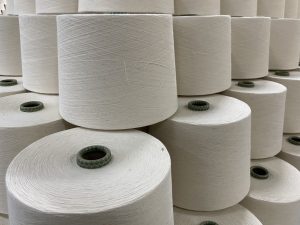
Explore more: Shop – ECOSOI – Weaving life with green fibers
Turning farm waste into valuable inputs
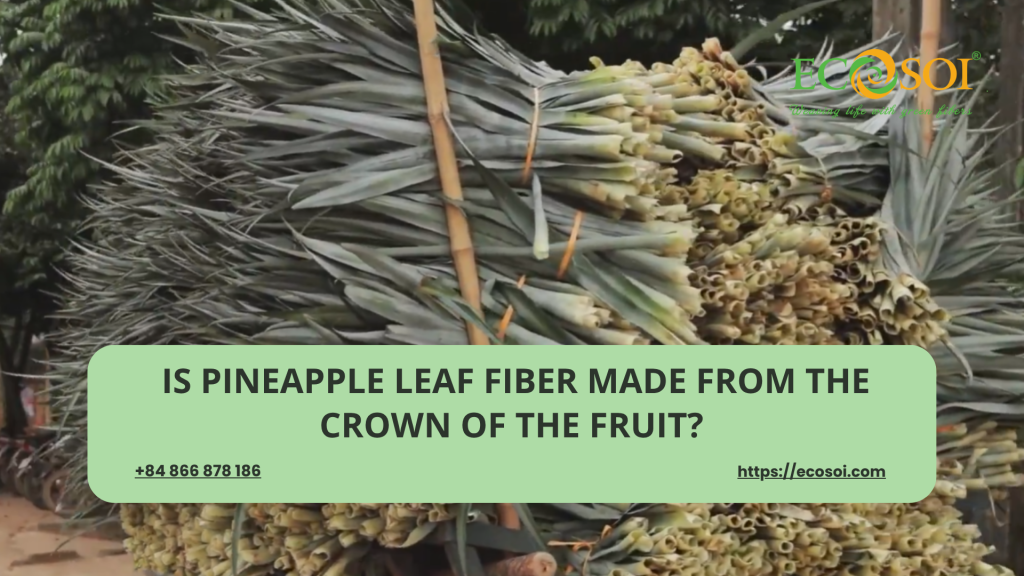
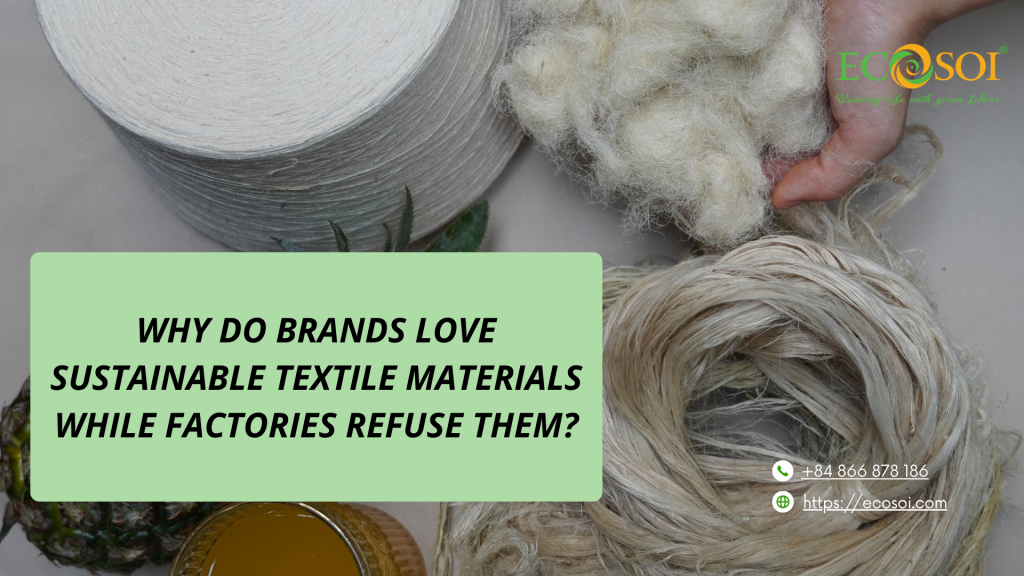
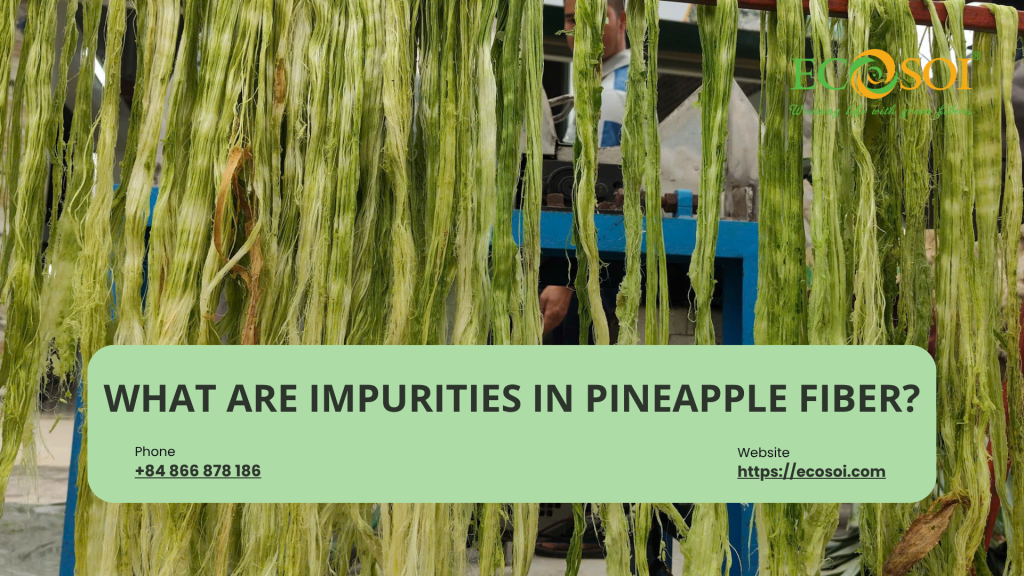
Every year, farmers discard or burn millions of tons of harvested pineapple leaves. Unfortunately, this practice causes severe air pollution in rural areas. Ecosoi collects these leaves and applies safe mechanical and biological processes. Consequently, discarded waste turns into high-grade natural fiber.
Practical benefits for B2B partners
Using Ecosoi pineapple fiber provides clear advantages for manufacturers and brands:
- Green verification: Provides traceable, 100% plant-based natural textiles.
- Carbon reduction: Helps finished goods meet international emission audit standards.
- High versatility: Offers strong mechanical durability suitable for both knits and wovens.
Meeting consumer needs
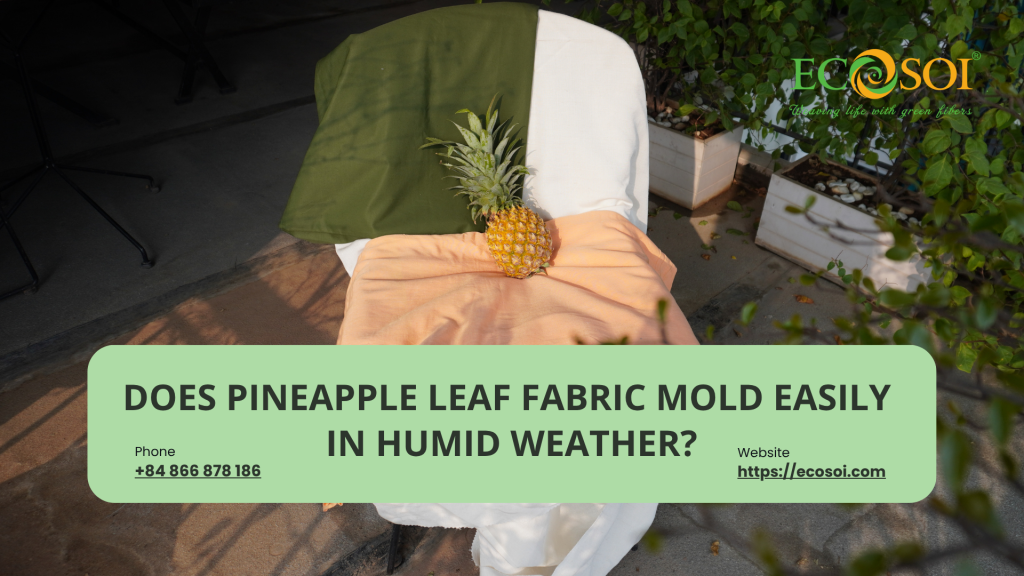
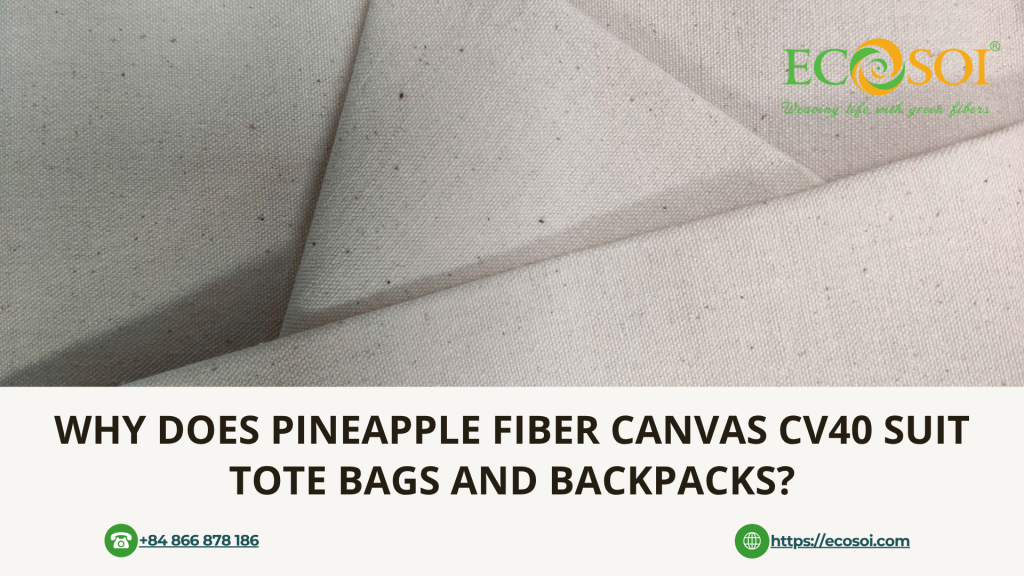
Fabrics woven from pineapple fiber are soft, breathable, and skin-friendly. Furthermore, the material is fully biodegradable at the end of its life. As a result, consumers enjoy quality products while supporting farm livelihoods directly.
Circular strategies for textile brands
Rethinking product design
Companies must update their mindset right from initial product development. Prioritizing recyclable or biodegradable materials is essential. Consequently, this step simplifies end-of-life handling for finished items.
Strategic partnerships with eco-material suppliers
Businesses do not need to build circular processing from scratch. Instead, partnering with specialized suppliers like Ecosoi saves R&D costs. Furthermore, this collaboration speeds up your time to market with certified green collections.
Conclusion
Understanding the benefits of a circular economy for businesses gives executives a clear strategic vision. Circularity is not an extra operational cost. Instead, it is a profitable investment that delivers long-term returns and sustainable brand value.
Is your company ready to embrace green transformation with natural pineapple fiber? Contact Ecosoi today for free material samples and expert circular material consulting!