 VIETNAMESE
WHAT DETERMINES AN EFFECTIVE CIRCULAR MODEL?
Many fashion companies want to adopt green business methods today. However, real-world adoption often hits tough obstacles. So, what determines an effective circular model in the textile industry? In fact, a good framework needs more than green promises. It must balance costs, secure steady supply, and create goods that buyers want to purchase. This article explains the key factors that make a green model work in practice.
Nội dung chính:
Current state of circular model adoption in textiles
Barriers between theory and practical operations
Going green is an essential step for fashion brands now. Even so, many businesses struggle in their daily work. Processing costs for new raw materials are often high. In addition, an unstable material supply often disrupts factory production runs.
The true concept of a circular model
A circular approach is not just about collecting fabric waste to recycle. In reality, circularity starts at the initial design stage. Companies need to choose materials that people can reuse or that break down safely in nature.
Key factors: What determines an effective circular model?
Supply stability and material scalability
Raw material availability is the first factor that decides success. For instance, if collected waste volumes jump up and down, factories cannot plan production. Therefore, using abundant local farm waste is a very practical choice.
Production costs and market success
A green idea with high costs will not last long in the market. As a result, material processing must stay simple to save energy and keep prices fair. Furthermore, finished products must meet clear market quality standards.
Data transparency and origin verification
Global markets are tightening rules on carbon emissions every day. For example, the EU enforces the Carbon Border Adjustment Mechanism (CBAM) on imports. Therefore, an effective circular model must offer clear data. Businesses need to prove material origins and show clear environmental metrics.
Ecosoi pineapple fiber: Operating a circular model in Vietnam
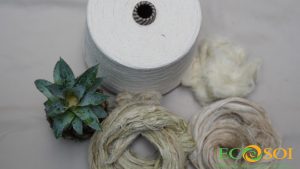
To see what determines an effective circular model, let us look at how Ecosoi uses pineapple crop waste.
Supply autonomy from local agricultural by-products
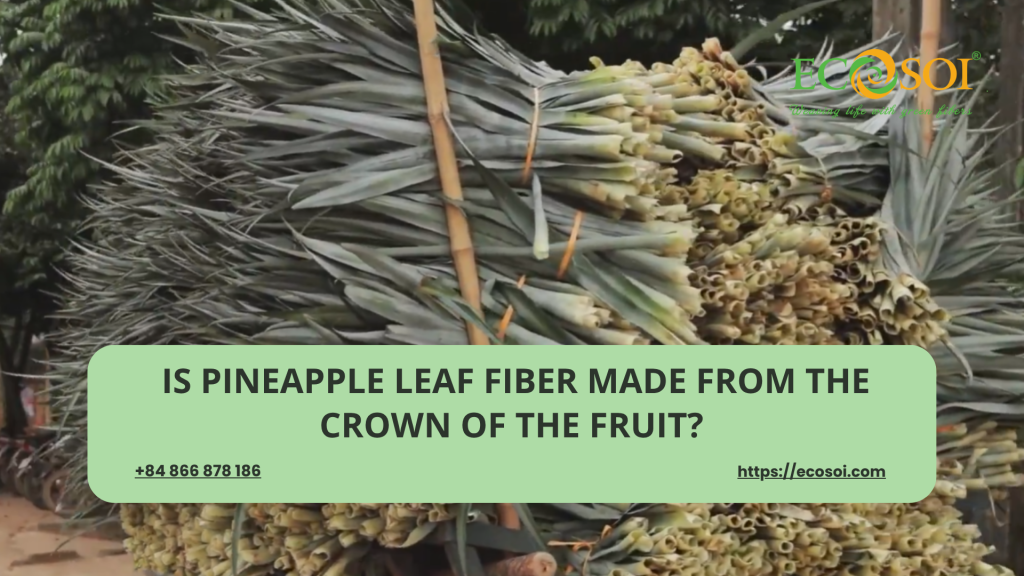
Vietnam has huge pineapple farming areas in many provinces. Every year, massive amounts of leaves remain unused after harvest. Therefore, Ecosoi buys raw leaves directly from local farmers. As a result, this practice creates a rich, steady fiber supply all year round.
Safe extraction and biological processing
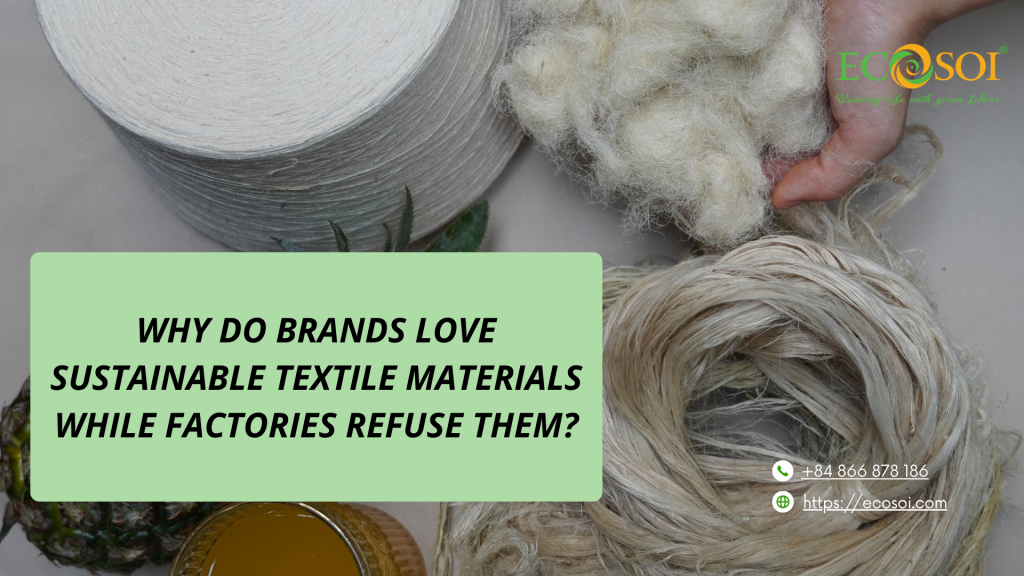
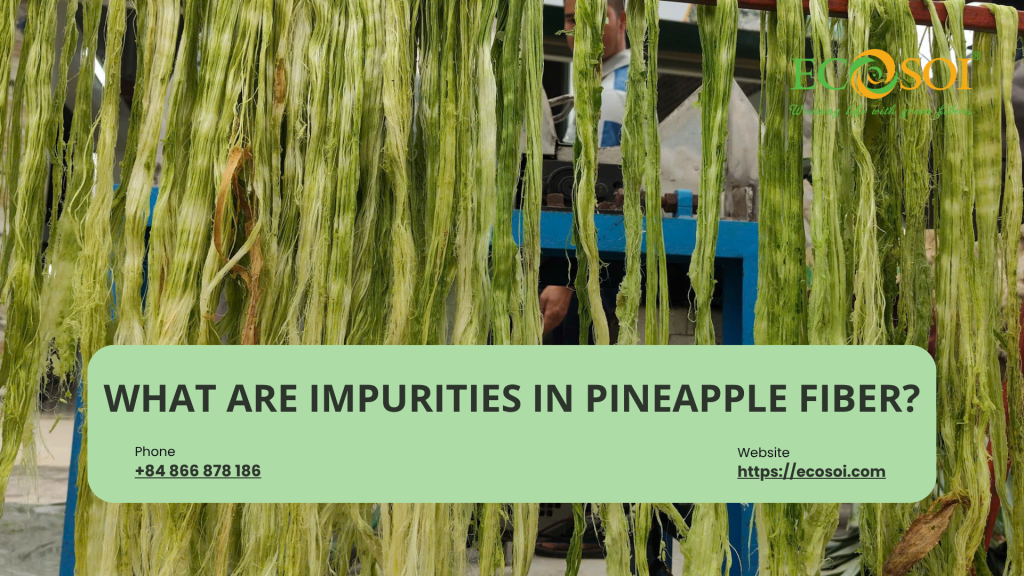
We use machine extraction combined with safe biological methods. Also, this process avoids harsh chemicals, which saves water and energy. The output is soft pineapple leaf fiber with strong durability and natural antibacterial qualities.
Practical benefits for partners and users
Ecosoi pineapple fiber brings clear value to the entire supply chain:
- For partners: It provides traceable eco-friendly fiber. Consequently, it helps mills complete environmental reports easily and lowers export costs.
- For consumers: It delivers skin-friendly natural fabrics. Thus, buyers enjoy safe clothing while helping farmers earn extra income from farm waste.
Conclusion
In short, knowing what determines an effective circular model helps businesses build a realistic plan. A strong model must solve both economic and green challenges at the same time.
If your brand is looking for a steady supply of sustainable textiles, contact Ecosoi today. Our team is ready to send samples and offer green material consulting for your orders.