 VIETNAMESE
WHY DOES ECOSOI AVOID MAKING 100% PINEAPPLE FIBER FABRIC?
When exploring eco-friendly textiles, many B2B and B2C clients ask an interesting question: “If it comes from natural materials, why does Ecosoi avoid weaving 100% pineapple fiber fabric?” Indeed, this desire is very easy to understand. Many people assume that a higher pineapple fiber percentage makes a fabric greener. However, in textile manufacturing, choosing fabric composition relies on more than raw material origin. Businesses must consider weaving efficiency, wear durability, and processing costs. For this reason, Ecosoi develops blended pineapple fabrics. This technical solution helps fabric perform well on industrial sewing machinery and last longer.
Nội dung chính:
Is 100% pineapple fiber fabric always the right choice?
In the textile industry, “100% natural” does not mean “suitable for mass production.”
Each plant fiber has its own mechanical properties. Therefore, when making commercial fabric, manufacturers must evaluate technical parameters:
- Ability to spin into yarn and weave into cloth.
- Shrinkage levels after washing.
- Smooth feeding through industrial sewing needles.
- Tactile feel against human skin.
- Tear resistance and long-term durability.
Consequently, Ecosoi does not aim to push fiber percentages to the absolute maximum. Instead, creating practical fabric for real-world use is far more necessary.
In fact, this practical approach explains why commercial eco-fabrics are usually produced as blended textiles.
Reasons why Ecosoi chooses blended pineapple fabric
Instead of focusing on a 100% figure for marketing claims, Ecosoi prioritizes practical usability. Blending pineapple fiber with other cellulose fibers solves the technical challenges of raw fiber.
Ensures stable spinning and weaving processes
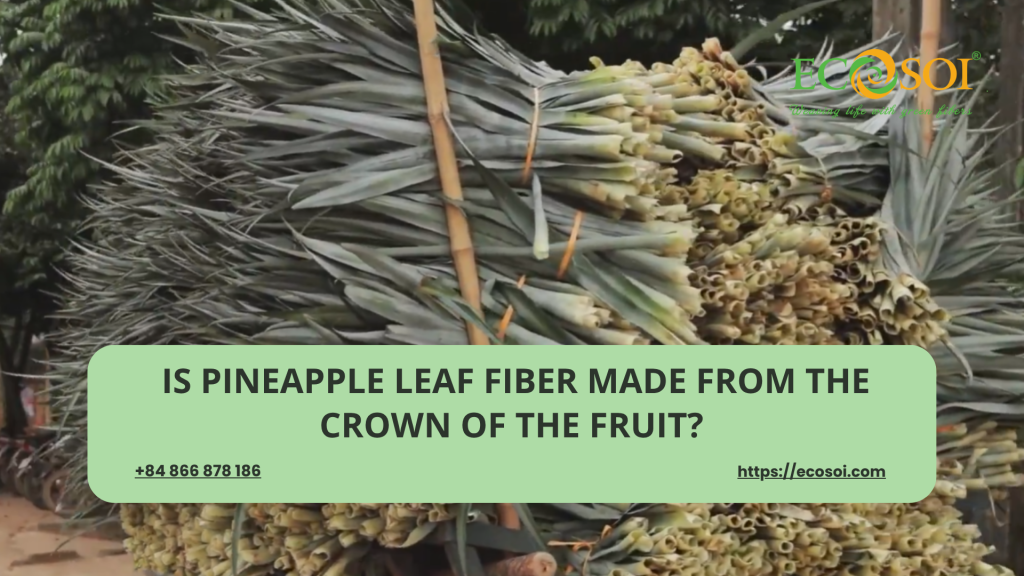
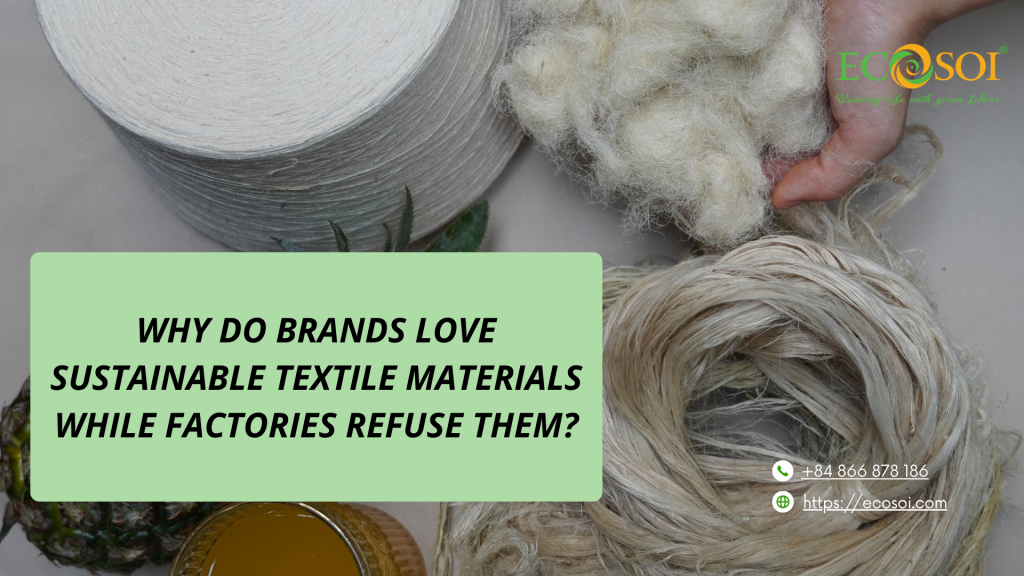
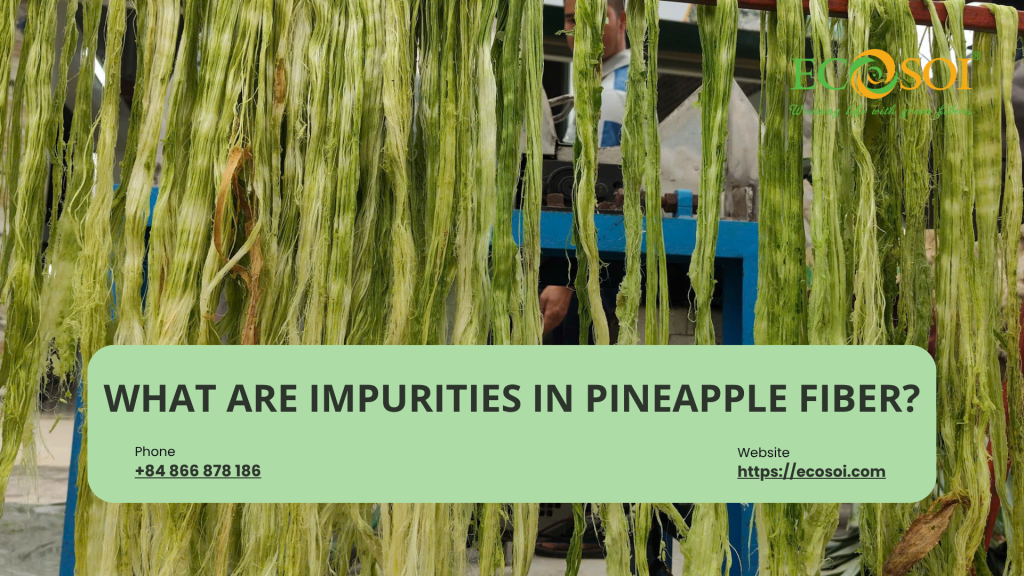
Workers extract pineapple leaf fiber from leaves after harvest. Naturally, raw fiber possesses natural stiffness and coarseness.
If woven using 100% pineapple fiber fabric, yarn snaps easily on high-speed machinery. However, blending pineapple fiber with Cotton or Viscose makes the yarn flexible and easier to weave.
As a result, fabric quality stays consistent across production batches. Garment factories also experience fewer thread snaps or surface fuzzing during cutting and sewing.
Balances environmental impact and product durability
A green product must stay usable for a long time. If garments or bags made from 100% pineapple fiber fabric are too coarse or break quickly, users discard them early. Consequently, early disposal wastes raw materials.
Therefore, Ecosoi calculates blend ratios to achieve clear goals:
- Waste upcycling: Using pineapple leaf fiber instead of burning agricultural waste.
- Durability boost: Helping fabric withstand pulling and stretching forces.
- Surface enhancement: Making fabric softer, breathable, and comfortable to wear.
In short, this balanced strategy extends overall product lifespan effectively.
Enables versatile use across diverse product lines
Fabric holds real value only when sewn into commercial products sold on the market. By adjusting blend ratios, pineapple fiber fabric Ecosoi supports many product categories:
- Apparel: Dress shirts, polo shirts, skirts, and trousers.
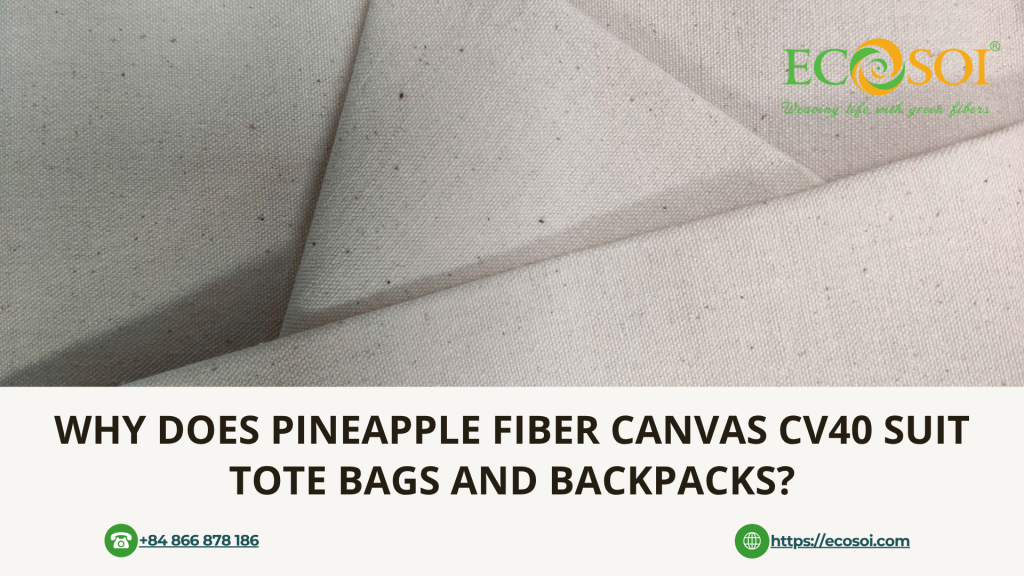
- Accessories: Using for tote bags, backpacks, wallets, and laptop sleeves.
- Reusable goods: Making reusable packaging and corporate gift items.

Environmental impact depends on more than fiber ratios
Many people believe a product with more pineapple fiber impacts the environment less.
However, evaluating eco-friendliness according to principles from the Ellen MacArthur Foundation requires analyzing the entire product lifecycle:
- Clarity of fiber origins.
- Water and chemical consumption during fiber processing.
- Product lifespan before wearing out.
- Biodegradability after disposal.
Indeed, a blended fabric used for 3 to 5 years reduces waste far better than a 100% pineapple fabric that lasts only a few months.
Fiber blending is a standard technique in textiles
In textile manufacturing, fiber blending is a very common technical method. In fact, no single fiber type satisfies every requirement alone. For instance, mills often blend cotton with polyester to reduce wrinkling. Alternatively, they blend Cotton with Linen to make fabric cooler and stronger.
For pineapple fiber, blending follows the exact same principle. Blending retains the natural rustic texture of pineapple while overcoming the stiffness of raw fiber according to guidelines from Textile Exchange.
What factories and brands truly need
When working with textile mills, the first question buyers ask is rarely “Is this fabric 100% pineapple?” Instead, procurement departments check practical factors:
- Does the fabric maintain its designed silhouette?
- Do fabric weight (GSM) and cuttable width fit marker layouts easily?
- Does the fabric run through sewing machines without thread snags or broken needles?
- Can the supplier deliver sufficient quantities for large bulk orders?
Indeed, a 100% pineapple fabric that proves difficult to cut and sew creates high factory risks. Conversely, blended pineapple fabric woven to exact technical specs makes production smooth and efficient.
The pineapple fabric production process at Ecosoi
Ecosoi focuses on transparency throughout every production step:
- Fiber sourcing: Collecting pineapple leaves from farmers after harvest.
- Fiber processing: Decorticating and cleaning fibers mechanically while minimizing chemicals.
- Blended weaving: Mixing pineapple fiber with Cotton or Viscose at calculated ratios.
- Technical support: Sending samples and advising on specs before mass weaving.
Therefore, Ecosoi avoids using fiber percentages as marketing hype. Instead, we deliver durable, easy-to-sew fabrics.
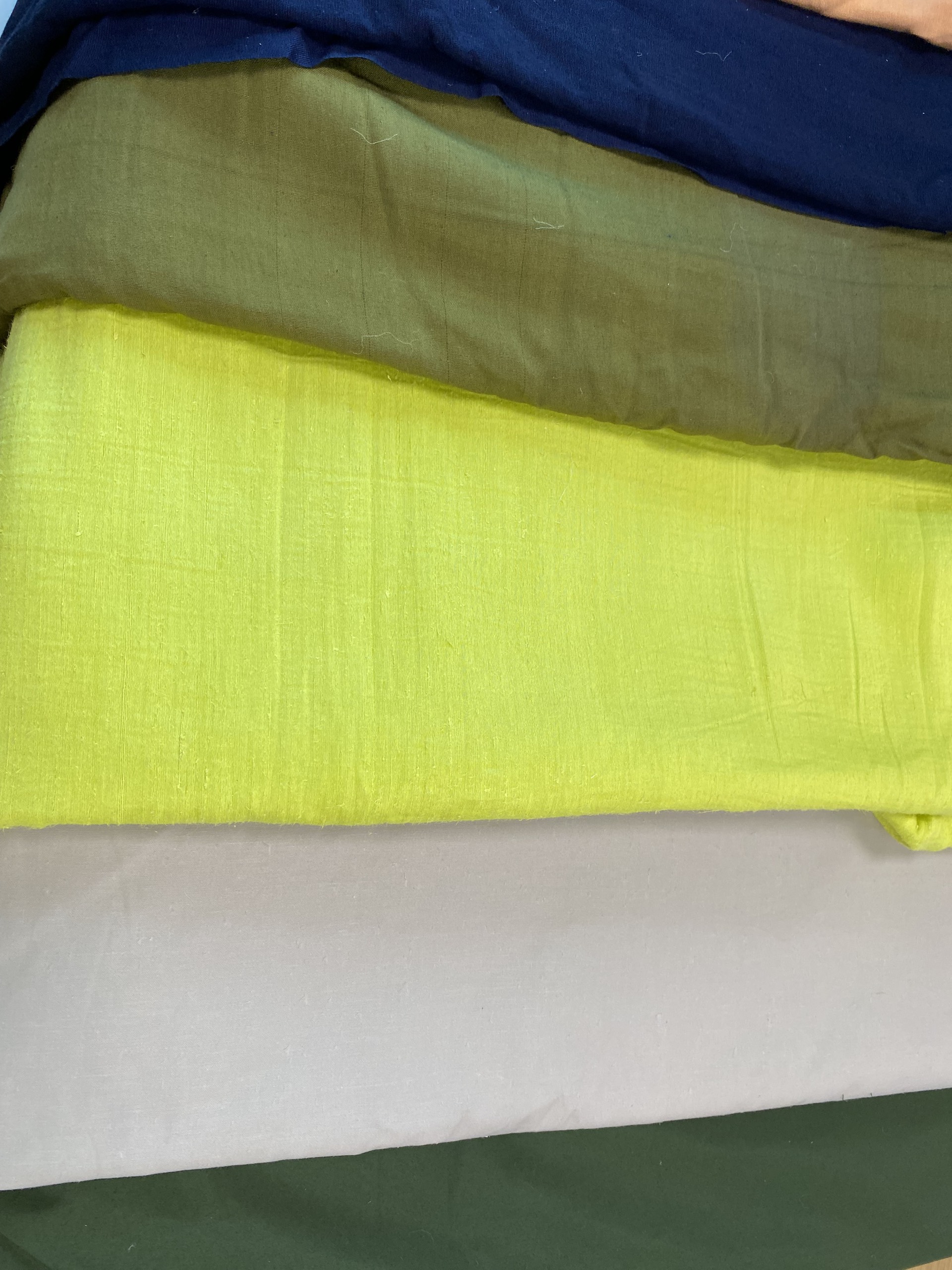
When should businesses choose Ecosoi pineapple fabric?
If you need commercial materials ready for manufacturing and market sales, Ecosoi fabric is a suitable choice. Specifically, our products serve the needs of:
- Fashion brands launching natural material collections.
- Corporations requiring gifts made from agricultural by-products.
- Designers seeking a natural slub texture on fabric surfaces.
- Sewing factories needing stable fabric parameters with low defect rates.
Ecosoi supports clients through sample testing
Ecosoi understands that every garment factory operates different machinery setups. Therefore, we assist clients during the sample development phase:
- Advising on fabric codes and blend ratios suitable for specific bag or garment silhouettes.
- Supplying physical sample swatches so clients can evaluate surface feel.
- Supporting sample runs before signing full production contracts.
Conclusion
The question “Why does Ecosoi avoid making 100% pineapple fiber fabric?” arises directly from manufacturing reality. Blending pineapple fiber with other fibers makes fabric flexible, easier to sew, and durable in use.
Consequently, this method helps brands bring pineapple fiber products to market smoothly while avoiding garment defect risks.
If you need to explore pineapple fabric options for your next project, contact Ecosoi today to receive technical consultation and sample swatches.
Frequently asked questions (FAQ)
- Does Ecosoi accept custom blend ratio orders?
Yes. For B2B orders meeting minimum order quantities (MOQ), Ecosoi produces custom fabric blend ratios based on client specifications.
- Is Ecosoi cotton-blended pineapple fabric machine washable?
Yes. Thanks to its optimized fiber blend, Ecosoi fabric exhibits low shrinkage and tolerates normal machine wash cycles well.
- What information should a business provide to receive suitable samples?
Simply state the target product you plan to sew, such as dress shirts, tote bags, or backpacks. Next, Ecosoi will select matching fabric codes and send sample swatches to your office.