 VIETNAMESE
R&D IN NEW MATERIALS: WHY IS CUSTOMER INVOLVEMENT ESSENTIAL?
In the eco-textile industry, new material R&D is no longer just a job for laboratory engineers. Experience shows that many green fabrics fail when launched in the market. The reason is not bad ideas. Instead, technical teams often fail to consult customers from the very beginning.
Furthermore, for plant-based fibers like pineapple fiber, the gap between lab samples and actual garments is huge. Therefore, customers should not just stand at the end of the supply chain to pay money. They must be an indispensable part of the research process.
Nội dung chính:
Current state of research and the core role of customers
Material research is no longer a one-way street
In the past, the R&D process usually focused only on the chemical and physical metrics of test samples. However, the current market demands more practical standards.
Specifically, a raw natural fabric wants to sell well needs to meet three main factors:
- Meeting basic mechanical and physical performance indexes.
- Running smoothly on the existing weaving machines of factories.
- Bringing a comfortable feeling to the final wearer.
Consequently, without practical perspectives from users, new material R&D can easily fall into the trap of being “good on paper.” As a result, no garment factory can actually sew it into clothes.
Why customers are the center of new material R&D
Consumer demands and environmental regulations are changing very fast. On the contrary, the process of creating a new fiber usually takes a long time.
Therefore, complaints or suggestions from customers will provide great benefits. For instance, they help the research facility correct errors faster after each test batch. They also detect actual defects immediately when taking the fabric to the tailoring stage. Additionally, this collaborative effort helps businesses avoid wasting money on features that nobody needs.
In short, buyers are the most accurate measurement for every material innovation.
Read more: Sustainability and Circularity in the Textile Value Chain
Optimizing R&D from the perspective of practical customer groups
The role of partners in the process of new material R&D
For fashion brands and garment factories, materials directly affect product silhouettes. Therefore, they always demand strict requirements for the supply chain:
- A stable supply source that is not disrupted by harvest seasons.
- Consistent fabric quality across all production batches.
- The ability to weave large quantities when entering peak seasons.
When joining the new material R&D process early, B2B partners can collaborate with manufacturers to clarify textile standards. In addition, both sides can adjust yarn twisting or weaving patterns based on specific clothing designs. This cooperation greatly reduces technical errors when starting mass production.
Pineapple fiber is a practical example showing why R&D needs buyers
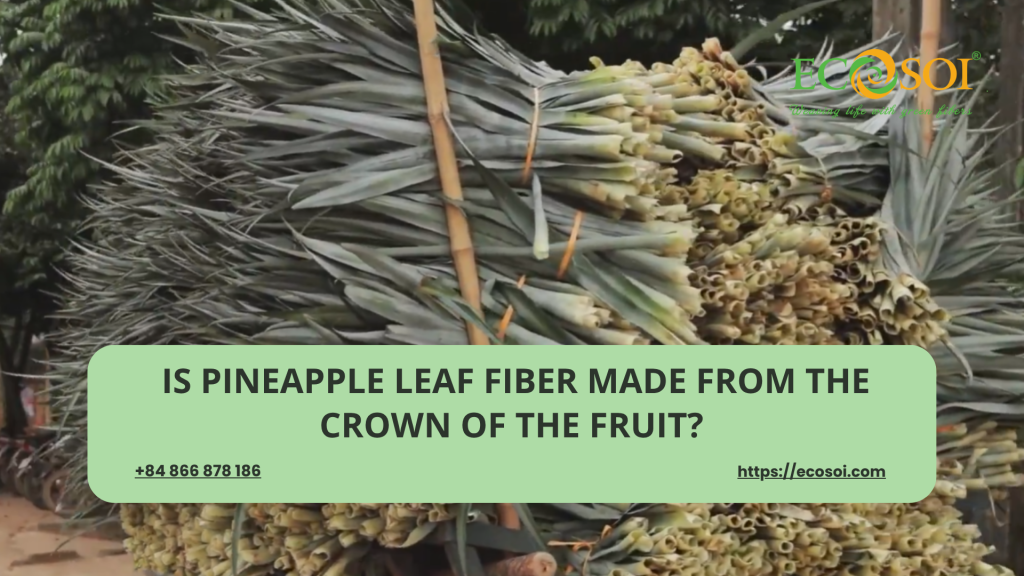
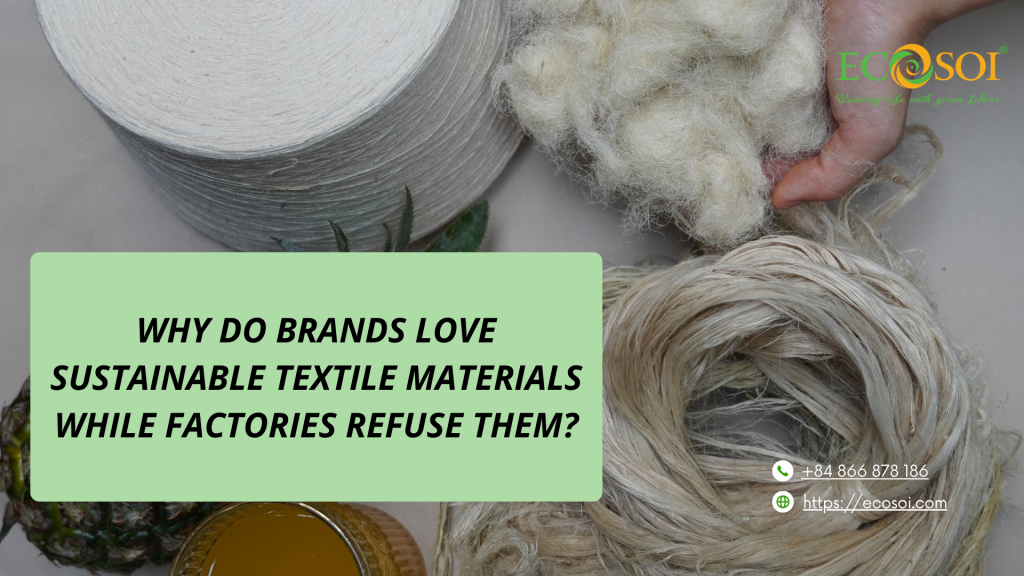
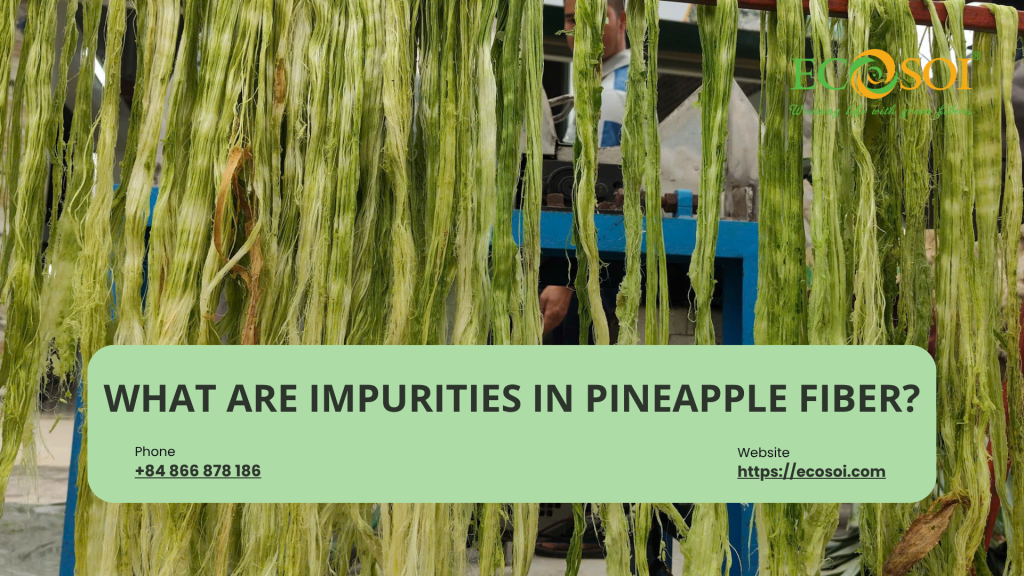
Pineapple fiber is extracted from agricultural by-products after each harvest season. For that reason, the quality of raw fiber varies depending on soil conditions and weather. Due to these natural characteristics, pineapple fiber is rarely woven at 100% purity for regular apparel.

Instead, engineers must blend pineapple fiber with cotton or other base yarns. Furthermore, factories have to adjust the weaving structures for each type of bag or clothing. Without testing data from garment workshops, the new material R&D for pineapple fiber cannot reach a standard formula.
Feedback from wearers is live data for the R&D department
During trials, users will point out weaknesses that laboratory machines cannot measure. For example:
- Does the fabric lose its shape or pill after fifty washes?
- Does the fabric surface feel rough over time?
- Do the garments absorb sweat well during outdoor activities?
Consequently, these answers help the technical team adjust the fiber structure based on real human experiences.
The role of end consumers in the new material R&D cycle
Retail customers do not sit with engineers to design fabrics. However, they make the final judgment on the success of a research project.
Through daily wearing habits, they will prove the true value of the material. Specifically, they test the comfort of the fabric texture throughout a long day. They also verify the adaptability of the material in hot or dry weather. Finally, they assess the durability of natural dyes under normal washing conditions.
Thanks to this live data, businesses will know how to upgrade fabric quality for subsequent shipments.
Balancing the ecosystem and long-term benefits for businesses
Making green materials is not just about reducing emissions at all costs
Many people think sustainable R&D means cutting environmental impacts regardless of performance. However, an eco-friendly fabric will be rejected if it has major disadvantages. For instance, the material might be too difficult to sew or shape. Alternatively, the fabric might tear easily or cause skin irritation for wearers.
If that happens, the goal of environmental protection becomes meaningless. Therefore, customers are the ones who keep the new material R&D process balanced between green factors and practicality.
Long-term benefits when R&D has customer support
For material suppliers, this collaborative approach brings several advantages:
- Minimizing defective batches that must be discarded.
- Saving operational costs for running test machines.
- Creating practical fabrics that are easy to sell.
Meanwhile, fashion brands also receive significant values:
- Selecting the input fabric quality according to their design intentions.
- Creating product differentiation thanks to exclusive materials.
- Enhancing brand reputation through transparent green certifications.
In general, this partnership model brings practical benefits to both sides, instead of being just an extra expense.
How Ecosoi conducts new material R&D with customers
At Ecosoi, the new material R&D process is always open to external contributions. We consider feedback from partners as the raw data to modify products.
Specifically, this process is implemented through three clear steps:
- Testing the tensile strength and elasticity of fabrics according to each unique design sample.
- Monitoring fabric quality closely throughout its entire life cycle.
- Changing the fiber blending ratios based on feedback from tailors.
Explore more: Ecosoi Product Catalog
Thanks to this practical method, Ecosoi pineapple yarn and natural fabrics are not confined to technical rooms. Instead, they always thrive when entering the commercial market.
When should your business join the R&D phase?
Not every brand needs to jump into raw research. However, this companionship is mandatory if your business meets these conditions:
- Unique materials are your core selling point.
- Your brand targets premium customer groups.
- You have a clear and long-term green business strategy.
In those cases, joining the research early helps businesses control the supply chain and reduce quality risks.
Conclusion
In the eco-textile industry, new material R&D cannot go alone without customers. The cooperation of users helps raw natural fibers become more usable and durable. Instead of only asking what percentage of this fabric is purely natural, a more practical question is: Has anyone tried wearing this fabric yet?
If you need pineapple yarn or natural fabrics for your upcoming collection, please start with a few small test samples with us.
Please contact Ecosoi today to develop a new material R&D plan that fits your production line.