 VIETNAMESE
6 mistakes using pineapple fiber fabric and how to fix them
Pineapple fiber fabric is a top choice for many fashion brands today. Indeed, its natural origin and eco-friendly nature make it very popular. However, first-time users often face unexpected problems.
For instance, some workshops think the fabric is hard to sew. In addition, the fabric surface sometimes looks uneven. As a result, the final product does not meet expectations.
In reality, the problem is not pineapple fiber quality. Instead, it comes from a lack of material knowledge. Furthermore, many people still treat eco-friendly cloth like traditional fabric.
For businesses, mistakes during testing raise production costs. Consequently, product development takes much longer. In fact, delivery schedules suffer as well.
So, what are the common mistakes using pineapple fiber fabric? More importantly, how can you reduce risks early? Therefore, let us explore the answers with Ecosoi in this guide.
Nội dung chính:
Why do first-time users struggle with pineapple fiber fabric?
Every new material takes time to learn. Naturally, pineapple fiber fabric is no exception.
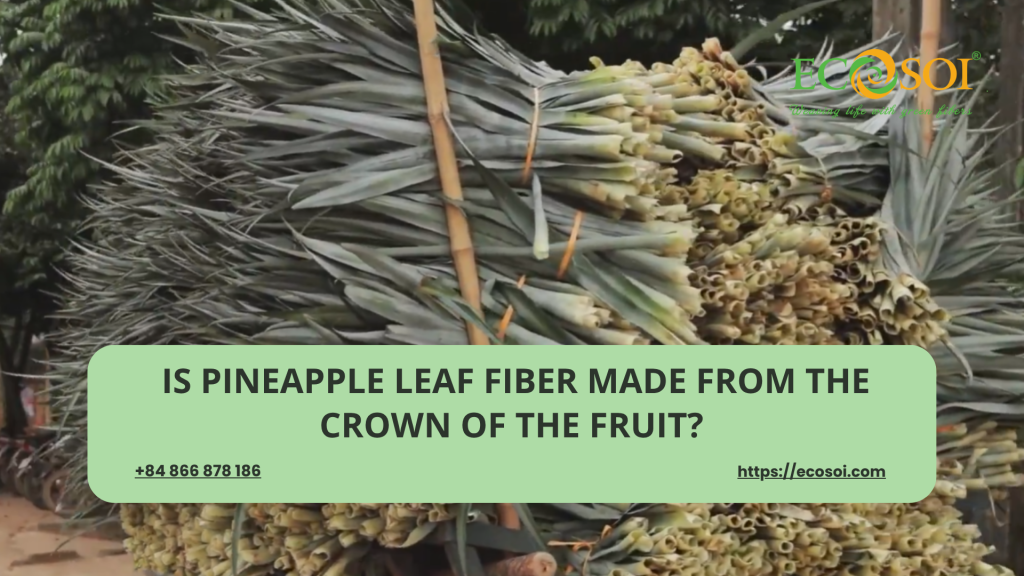
Unlike cotton or polyester, weavers make this fabric from natural pineapple leaves. Next, workers turn raw fibers into yarn using modern technology. Therefore, the fabric feel and drape are quite different. Similarly, the surface touch is distinct from familiar synthetic cloth.
However, this difference is not a flaw. In fact, if you understand pineapple fiber properties, your business can unlock great results.
Common mistakes using pineapple fiber fabric and how to fix them
Ecosoi has listed the six most common errors below. As a result, this guide will help your production run smoothly.
Judging fabric quality only by sight and touch
First, this error is very common among beginners. Specifically, many people judge fabric quality only by its color or softness.
However, appearance does not show technical quality for natural materials. For example, an off-white fabric is not worse than a white one. In fact, fiber stability and raw material cleanliness matter most.
- How to fix:
- First, ask your supplier for a Technical Data Sheet (TDS).
- Next, check parameters for fiber blends, weight (GSM), and usable width.
- Finally, test sample swatches for post-wash shrinkage and color safety.
Choosing the wrong fabric for your product
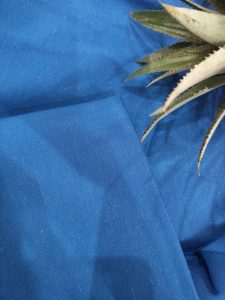
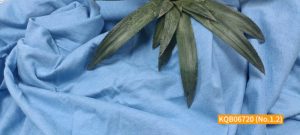
Second, not every pineapple fabric suits the same item. Currently, pineapple fiber fabric Ecosoi comes in many blend options.
Unfortunately, many users pick the wrong fabric code. Then, they quickly assume the material has poor quality.
- Product guide:
- High-cotton blends: Great for t-shirts and daily clothes due to good softness.
- Woven fabrics: Meanwhile, these are ideal for dress shirts, skirts, or trousers.
- Knitted fabrics: Also, these work perfectly for polo shirts, sportswear, and stretchy items.
- Pineapple canvas: In contrast, canvas is best for bags, shoes, or furniture needing strong durability.
- How to fix: First, define your product type clearly before ordering. Next, talk with material makers to pick the right fabric code.
Skipping small sample runs on real sewing lines
Third, some companies see nice swatches and order large quantities right away. However, this habit carries high risk.
Small swatches often look great. Yet, results can change on an industrial sewing line. In addition, machine types, worker skills, and sewing methods all affect the final outcome.
- How to fix:
- First, run a small test batch (Sample run) on your machinery.
- Next, inspect seam strength, stitch stretch, and heat resistance during fusing.
- Finally, fix your cutting and sewing workflow before mass production.
Thinking higher pineapple fiber ratio is always better
Fourth, many people think more pineapple fiber means a better product. However, this idea is wrong in the textile industry.
Raw pineapple leaf fiber has a natural coarse feel. Meanwhile, blending pineapple fiber with Cotton, Viscose, or Lyocell creates a great balance. Therefore, blended yarn makes the fabric strong, soft, and easy to sew.
- How to fix: Always judge overall fabric performance based on practical use. Thus, do not force a requirement for 100% pineapple fiber fabric.
Lacking clear communication with your supplier
Fifth, many buyers ask for prices without describing their final product. In fact, pineapple fabric has many options in weave types and surface finishes.
For this reason, if your supplier does not know your goal, they cannot send the best fabric sample for your needs.
- How to fix:
- First, share the exact product you plan to make.
- Second, state your needs for thickness, drape, and feel clearly.
- Finally, provide information on order size and launch dates.
Comparing unit prices while ignoring total costs
Sixth, material price is always important. However, if you only compare price per meter, you can make wrong choices easily.
Cheap fabric with unstable quality increases factory defect rates. As a result, repair costs and project delays become far more expensive.
- How to fix: Always look at long-term material value. Furthermore, a supplier with a clear pineapple fiber production process and good technical support will lower your total costs.
Pre-order checklist for pineapple fiber fabric
Review these simple points before placing your fabric order:
- First, confirm a clear plan for the final product type.
- Second, check the Technical Data Sheet (TDS) received from the supplier.
- Third, verify fiber composition and blend ratio.
- Fourth, ensure a small sample run is completed with good results.
- Finally, confirm the delivery schedule and quality standards.
Ecosoi: Partnering with businesses for green materials
Switching to eco-friendly materials involves challenges. Therefore, Ecosoi does more than sell fabric. Instead, we provide complete material solutions for your brand.
For example, our technical team helps you from the first sample choice. In addition, we recommend fabric structures that fit your factory machines. As a result, production risks stay very low. Consequently, this support helps your brand adopt sustainable fashion materials with confidence.
Conclusion
Facing initial problems with pineapple fabric is completely normal. In fact, you can fix most issues by understanding material traits well.
For fashion brands, picking the right fabric secures product quality. Similarly, for consumers, knowing the material helps preserve products longer.
If you face technical issues or want to test new samples, contact Ecosoi today. Indeed, our team is ready to help you avoid common mistakes using pineapple fiber fabric.
Frequently asked questions (FAQ)
- Does pineapple fiber fabric shrink a lot after washing?
Shrinkage depends on blend ratios and weave types. However, Ecosoi fabrics keep shrinkage within standard industry limits.
- Does pineapple fabric need special sewing needles?
No special machines are needed. However, workshops should pick needle sizes that fit the fabric weight (GSM) and set thread tension properly.
- Should we start full production right after approving dry swatches?
No. Instead, factories should always run a small sewing test and wash the finished item before full mass production.