 VIETNAMESE
WHY CHANGING MATERIALS DOES NOT EQUAL SUSTAINABILITY IN TEXTILES?
Over the last few years, changing raw materials seemed like the quickest solution. Many businesses use this method to green the textile industry. Consequently, a series of new materials continually appear in major media campaigns. Organic cotton, recycled fibers, and pineapple fiber serve as prime examples.
However, this trend of changing materials does not equal sustainability if you lack systemic thinking. Without deep changes in design and production, green materials can even create new risks. Therefore, this article analyzes this issue from a technical viewpoint. Our goal is to help businesses build a more practical direction.
Nội dung chính:
Why people misunderstand the phrase “changing materials”
In many cases, brands view sustainable materials merely as a commercial label. Many people hold a damaging misconception. They believe that changing the input material immediately makes the product eco-friendly.
However, sustainability is not a single feature of a raw material. Instead, this factor results from a complete, closed-loop system. The system includes many stages. It begins with the origin of the material and physical-chemical processing. Next, it involves the product lifecycle and disposal methods. Therefore, if you only switch materials but keep toxic processes, the problem remains.
What illusions prove that changing materials does not equal sustainability?
Idealizing new biological fibers creates three major risks. These risks directly impact both manufacturers and consumers.
Green materials do not automatically make products mechanically stronger
A common misunderstanding today is that biological materials always offer superior durability. In reality, natural structures always have clear technical limits.
For instance, natural options like pineapple, flax, or hemp fibers possess low natural elasticity. Their abrasion resistance also remains average. Furthermore, they are more sensitive to harsh usage conditions. If you apply them to the wrong purpose, the product will degrade very quickly. This issue accidentally forces users to replace clothes more often. Consequently, these habits completely destroy the original environmental benefits of the material.
New materials cannot replace responsible design thinking
A product remains obsolete if it carries an old mindset, even when made from premium fibers. This issue happens when factories design products based on short-term trends. These items are often difficult to repair and reuse. As a result, the product still becomes future waste.
Therefore, changing materials does not equal sustainability if you keep the fast fashion model. This approach only creates a green shell. It fails to resolve the root cause of the textile waste crisis.
Processing biological materials can cause reverse pollution
Not every material with a bio-label has a low environmental impact. This outcome depends heavily on the fiber processing methods.
To achieve specific technical features, many factories must use heavy chemical treatments. This process consumes a large amount of energy. It can also destroy the natural biodegradable capability of the fiber. Moreover, shipping raw materials over long distances creates a high carbon footprint. These logistics emissions can completely cancel out the initial ecological advantages.
Supply chain risks when chasing trends
For B2B enterprises, switching raw materials is not just a marketing move. This decision directly affects the stability of the production line. It also impacts quality inspection standards.
If you do not test new materials carefully, your business will face high defect rates. This issue leads to a high risk of customer complaints. Consequently, your supply chain can suffer severe disruptions. Therefore, material changes must always go with practical testing. Businesses should never launch mass production based solely on market trends.
Understanding limits for genuine green consumption
End consumers often choose green products based on superficial information. However, a lack of knowledge about material limits easily leads to disappointment.
Customers need to know that a natural fiber shirt has its own unique traits. For example, it might lack the smooth softness of synthetic polyester. Furthermore, natural fabrics always require a more careful washing and ironing routine. When buyer expectations do not match reality, customers lose trust. As a result, they will stop choosing green fashion brands.
The case of pineapple fiber: A potential but not omnipotent material
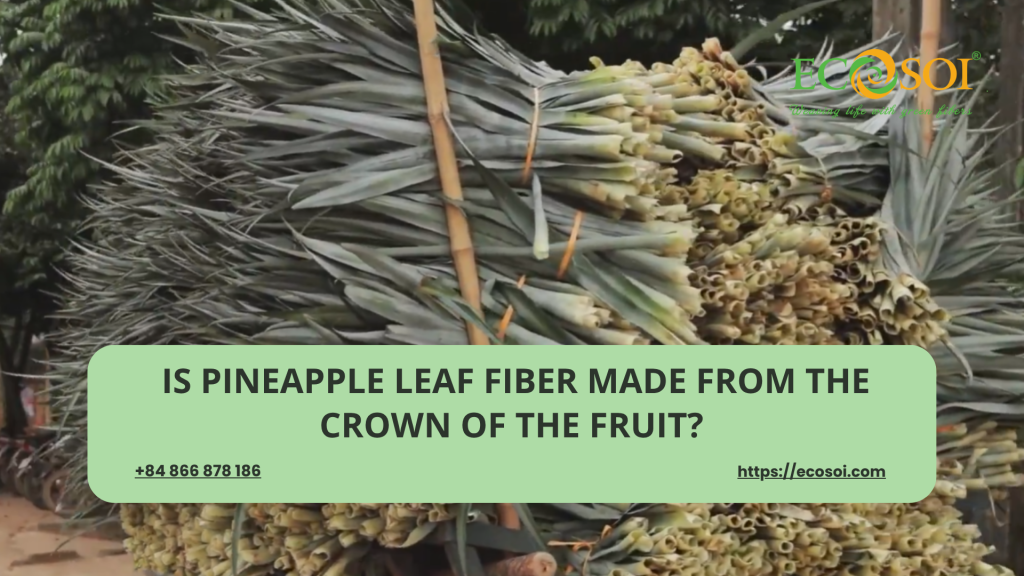
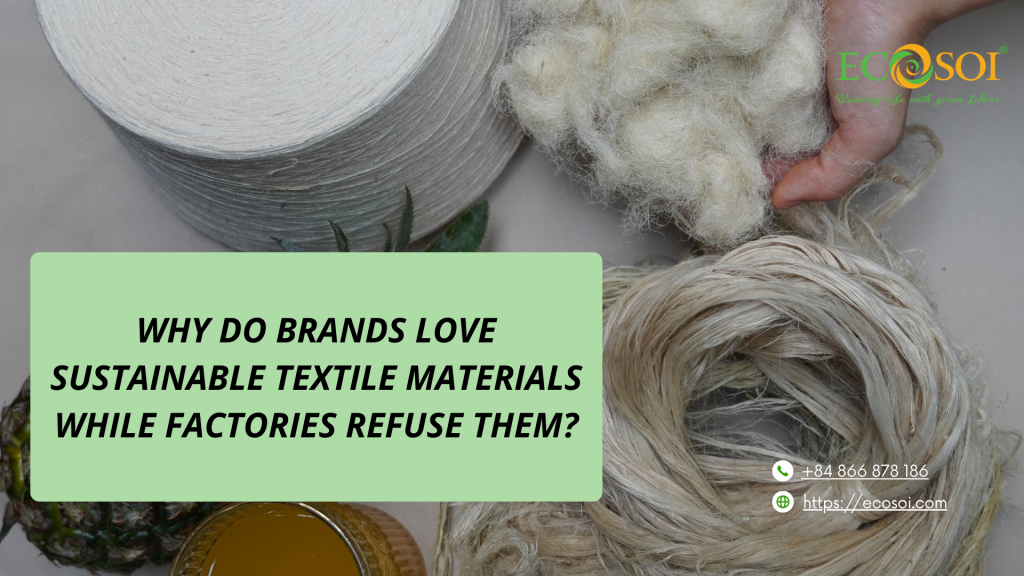
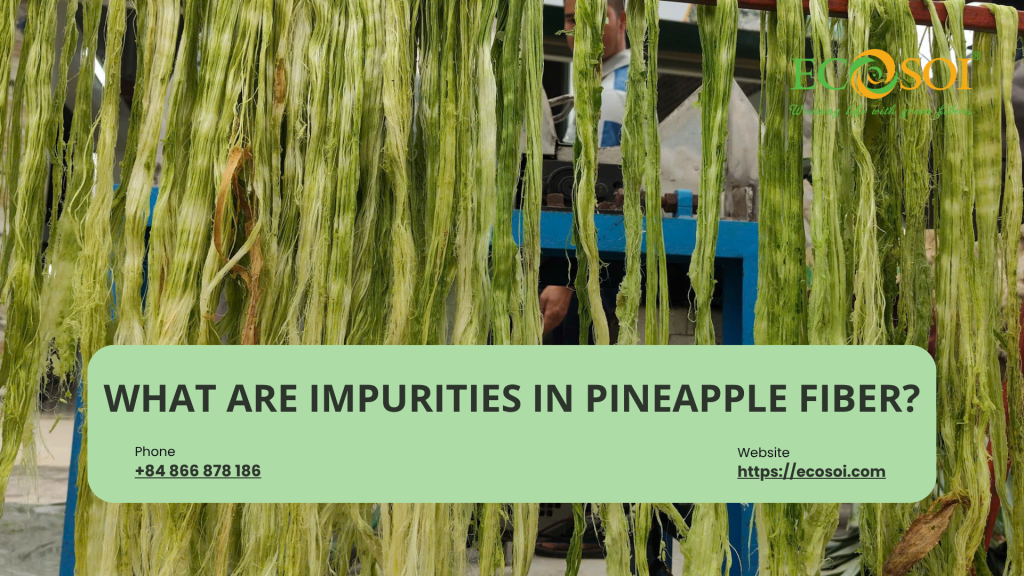
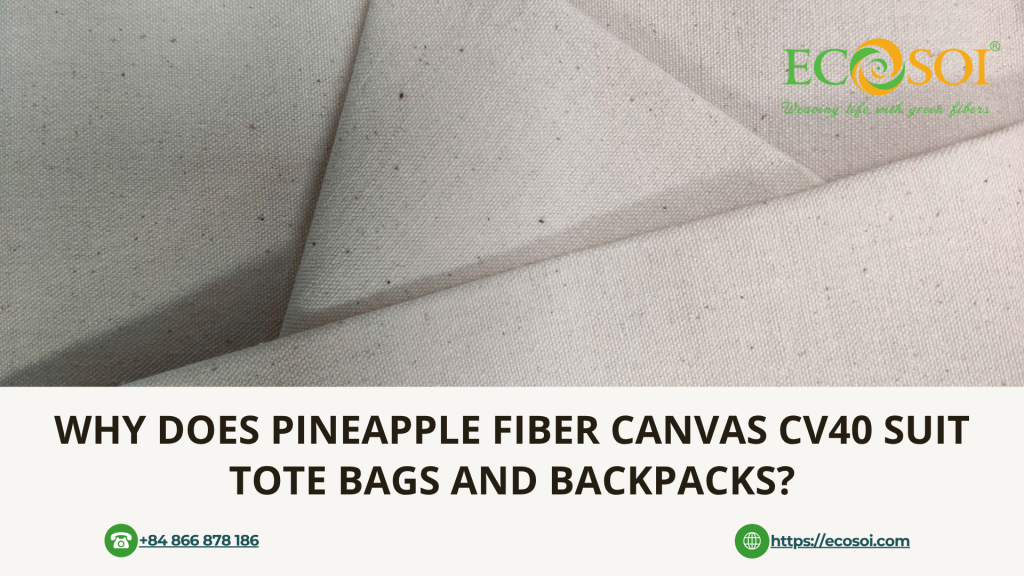
Pineapple fiber serves as a practical example for this argument. This is an excellent biological material because it utilizes abandoned agricultural waste. Therefore, the nature of pineapple fiber brings great value to the circular economy.
However, pineapple fiber is not a magic solution for every problem. This material is completely unsuitable for products that require multi-directional stretch. It is also not ideal for environments with heavy surface friction. Only when you place it in the right design will pineapple fiber reveal its true value.
True product sustainability does not live in the material alone
A responsible textile product results from an entire system of correct decisions. In that system, choosing the right material is only the first step. It is never the sole center of the process.
Therefore, businesses must combine multiple solutions simultaneously. You should design for a long lifecycle and use low-emission manufacturing processes. Finally, your market communication must maintain maximum honesty.
The Ecosoi perspective on responsible material changes
At Ecosoi, we never view sustainable materials as a quick fix. We do not use new materials just for media hype. Our brand consistently follows a core production philosophy:
Materials are truly sustainable only when used for the right purpose, the right design, and the right expectation.
For that reason, Ecosoi focuses its resources on practical application research. We constantly develop flexible blended fiber solutions for each product line. At the same time, Ecosoi commits to providing the most honest advice to B2B partners. We say no to exaggerating material performance to protect long-term reputation.
Questions to ask before shifting materials
Before deciding to switch to a new material, you should answer three questions:
- What technical feature does this textile product need to prioritize most?
- How long is the expected lifecycle of the product?
- Are consumers ready to change their habits to protect the environment?
When you find transparent answers, choosing new materials truly becomes meaningful.
Explore more: SUSTAINABLE MATERIALS IN FASHION: A GUIDE TO CHOOSING “GREEN” CLOTHING
Conclusion: Changing materials is the starting point, not the destination
Changing input materials is an important step. However, this action cannot fully resolve every issue if it stands alone.
True sustainability always requires three core elements. These are deep understanding, brand honesty, and market patience. When you place materials in the right position, green values become trustworthy. Ultimately, the phrase changing materials does not equal sustainability and reminds us that true eco-friendly impacts require a systemic effort over time.
- Are you considering a switch to sustainable materials but cannot find the right technical application?
- Do you want to optimize your supply chain and eliminate greenwashing and technical defect risks?
Contact Ecosoi today to evaluate, choose, and deploy the most authentic and effective material solutions.