 VIETNAMESE
What is Greenwashing in the Textile Industry? How to Spot Real Green Materials
As the Circular Economy grows globally, many brands claim to be “green.” However, not all claims are true. In fact, greenwashing in the textile industry is confusing the market. According to the European Commission, false eco-claims are rising fast. Therefore, the EU market must tighten rules on clear marketing.
Nội dung chính:
What is Greenwashing in the Textile Industry?
Basically, greenwashing happens when companies pretend to be eco-friendly. Yet, they have no data to prove it. Or, they only make tiny, surface-level changes.
According to the OECD, greenwashing tricks buyers. At the same time, it slows down real green progress. In fashion, this trick often hides in raw materials and ads.
Common Forms of Greenwashing:
-
First, using vague words: Brands often use words like “eco-friendly” or “natural.” However, they do not explain their rules. Indeed, this is a very high-risk sign of greenwashing in fashion.
-
Second, highlighting one small detail: A shirt might use only 5% recycled yarn. Still, the ad makes buyers think the whole item is 100% green.
-
Finally, hiding the supply chain: Many brands talk about green visions. Yet, they hide where their materials come from. Without clear supply chain transparency, there is no real circular economy.
Why Does Greenwashing Cause Huge Risks?
Greenwashing does not just lose buyer trust. Moreover, it creates deadly risks for export businesses.
According to the European Parliament, new rules demand clear environmental data. Therefore, rule-breakers face legal trouble. They also lose long-term B2B deals. Today, ESG in fashion is vital. Thus, faking green claims is a fast way to fail in European sustainable fashion.
How to Spot Real Green Materials?
-
First, check raw material traceability: A brand must prove where its materials come from. Also, they must show how they process them. This is the core of the circular economy in the textile industry.
-
Second, ask for real data: The Ellen MacArthur Foundation says clear data beats catchy slogans. Therefore, you must demand exact fiber mixes and clear emission reports to find true green materials in the textile industry.
-
Third, review system changes: True sustainability is not just about the final item. You must also see if the design allows for easy recycling.
Ecosoi: Ensuring Clear Materials to Avoid Greenwashing
Materials are the starting point of the value chain. If origins are unclear, all later claims will fail.
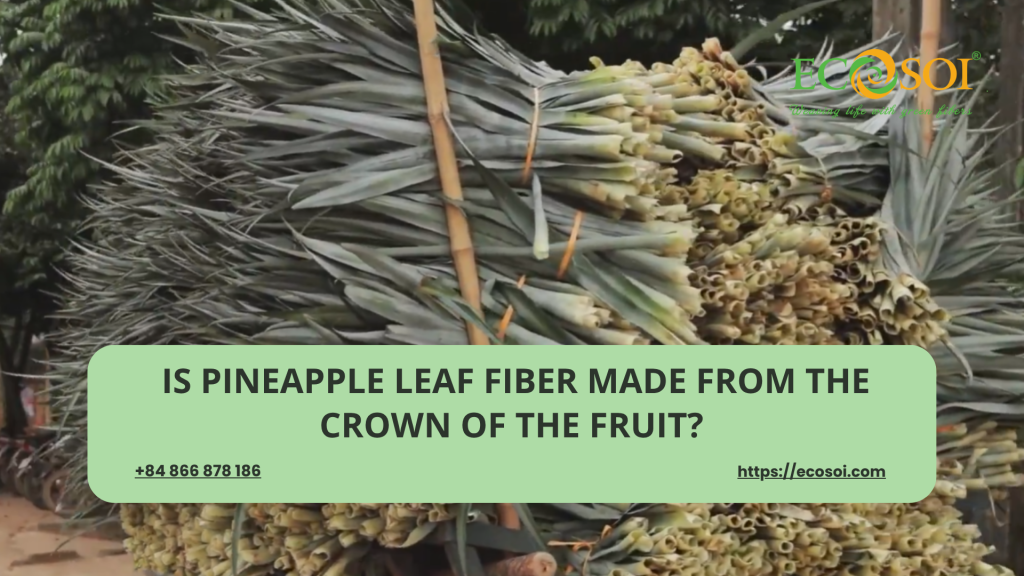
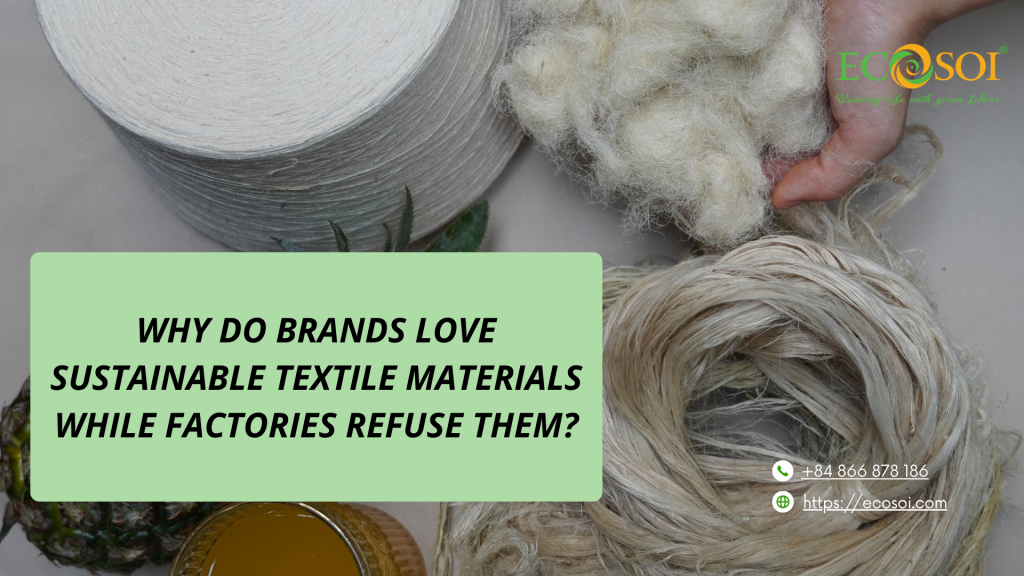
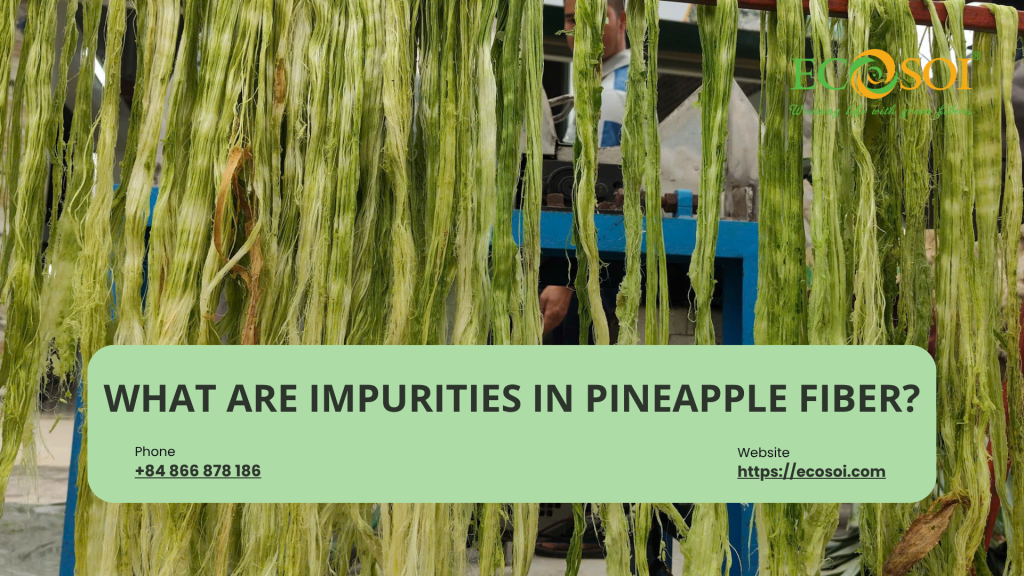
To help export brands, Ecosoi provides eco-materials with clear tracking data. For example, our pineapple fiber fabric comes from farm waste. Plus, we closely control the whole process.
Furthermore, we clearly understand B2B pricing pressures. Therefore, Ecosoi has built a great blended yarn using 40% pineapple fiber and 60% cotton. This mix keeps the eco-certification strong. Also, it helps businesses cut production costs. Indeed, this is the perfect way to make sustainable fashion real.
Conclusion
To sum up, greenwashing is a huge wall blocking the circular economy. As lawmakers get stricter, empty ads will soon die out.
Ultimately, clear materials offer the safest path forward. A circular economy never starts with marketing. Instead, it must start with real materials and real data.