 VIETNAMESE
Natural fibers vs synthetic fibers: the truth behind long-standing misconceptions
In recent years, “natural fibers” have become a familiar term in the textile and sustainable fashion industry. However, along with the growing interest, many misconceptions about this material still persist. Are natural fibers really fragile, expensive, and difficult to care for as many people believe? Let’s join Ecosoi – a pioneer in researching and producing pineapple leaf fibers in Vietnam – to uncover the truth behind these common beliefs.
Nội dung chính:
Understanding natural fibers
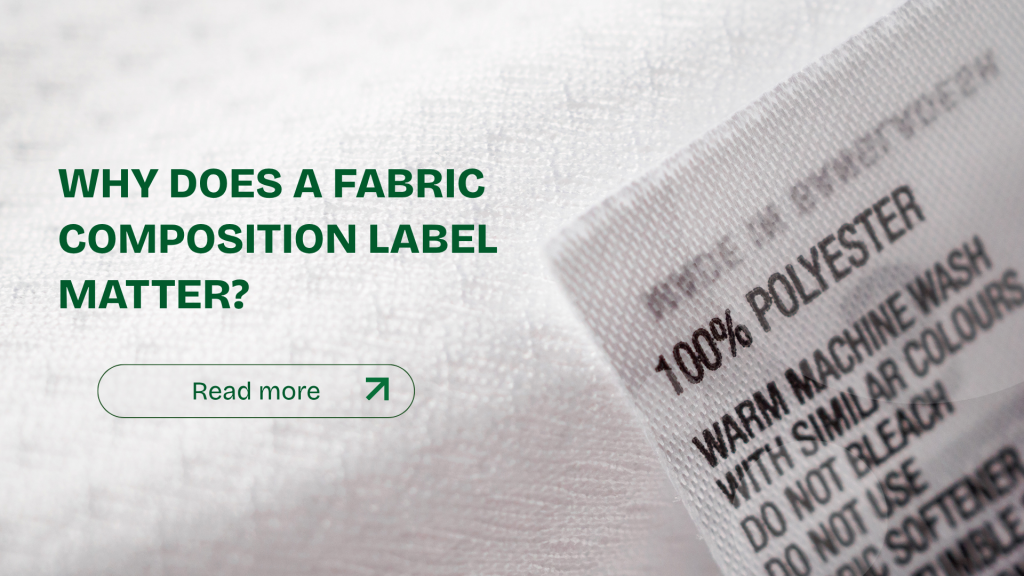
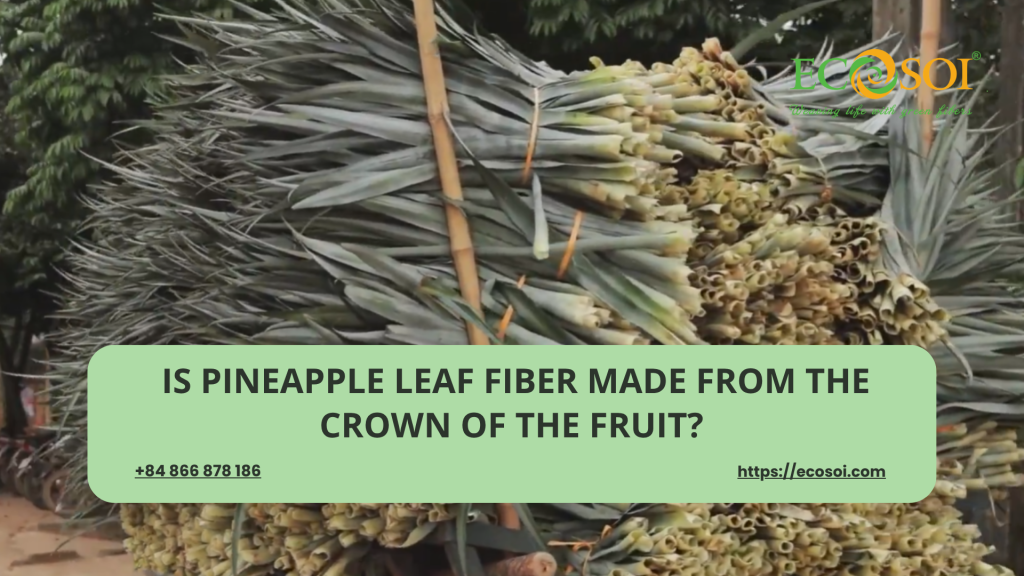
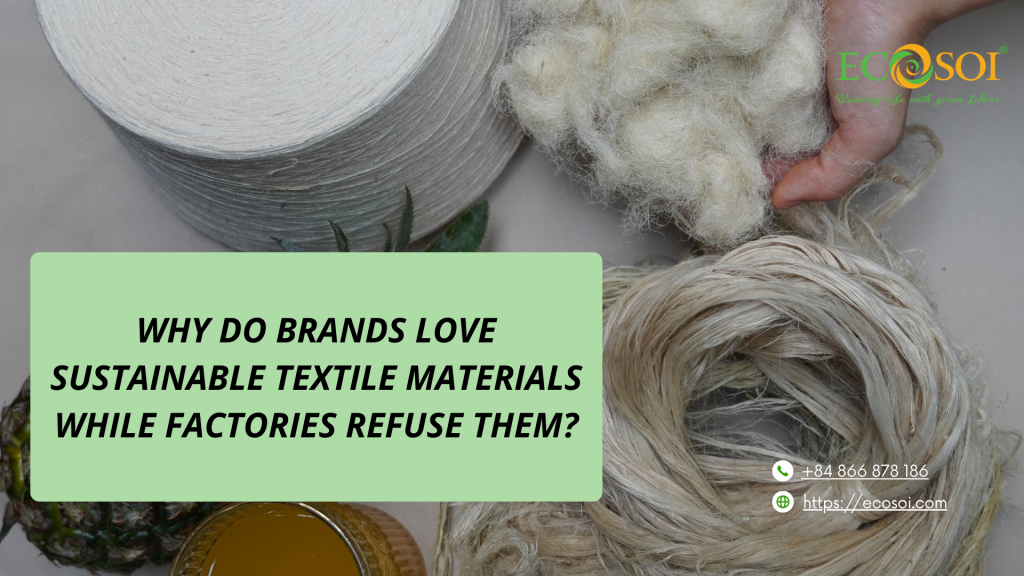
“Natural fibers” are fibers derived from plants or animals — such as cotton, linen, hemp, silk, or pineapple leaf fiber. The main difference between them and synthetic fibers (like polyester) lies in their natural origin, biodegradability, and comfort when worn.
Thanks to advances in modern processing technology, natural fibers today have gone far beyond their previous limitations — they are now stronger, easier to maintain, and applicable across a wide range of industries.


Common misconceptions about natural fibers – and the truth
a. Natural fibers are fragile and less durable than synthetic fibers
One of the most common misunderstandings is that natural fibers are “weaker” than synthetic ones like polyester or nylon. In reality, the durability of natural fibers depends greatly on their source and treatment method. Many natural fibers such as pineapple leaf, linen, or hemp have strong structures and high tensile strength — even outperforming synthetic fibers when used correctly.
In particular, Ecosoi’s pineapple leaf fibers are treated using eco-friendly technology that enhances durability, provides natural wrinkle resistance, and maintains stable color over time. Therefore, they are perfectly suitable for sustainable garments, accessories, and home textile products.
b. Natural fibers are difficult to care for and easily wrinkle or shrink
Many people believe that natural fibers require complicated maintenance, wrinkle easily, and are hard to wash. However, with the development of modern weaving and finishing technologies, natural fibers have been significantly improved.
For example, fabrics made from a blend of pineapple leaf fiber and cotton or linen can retain their shape well, are easy to iron, and do not shrink after washing. Additionally, using natural enzymes in the treatment process makes the fabric softer, more breathable, and easier to clean — without the need for harsh chemicals.
Ecosoi currently applies sustainable processing methods that minimize maintenance requirements, offering consumers a more comfortable and convenient experience.
c. Natural fibers are expensive and unsuitable for the mass market
Price is another factor that makes many people hesitant about natural fibers. In reality, while production costs for natural fibers can be higher at the initial stage, they are more cost-effective over the product’s entire lifecycle.
A shirt made from natural fibers can last two to three times longer than one made from synthetic fibers — reducing both shopping frequency and textile waste. Furthermore, utilizing renewable raw materials such as discarded pineapple leaves not only cuts material costs but also provides additional income for farmers — creating sustainable economic and social value.
According to the Materials Market Report 2024 by Textile Exchange, the global demand for sustainable materials in the textile industry continues to grow each year, clearly indicating a shift toward eco-friendly sources — including natural fibers. This proves that consumers are increasingly willing to pay for “green value,” not just short-term affordability.
d. Natural fibers cannot compete aesthetically with synthetic ones
Another misconception is that natural fibers are less diverse in color, difficult to dye, or limited in texture. However, with advanced biological treatment and natural dyeing technologies, today’s natural fiber fabrics offer a rich color palette, smooth drape, and excellent design flexibility.
For instance, Ecosoi’s pineapple leaf fiber fabrics possess a subtle natural sheen, smooth surface, and cool touch. They also offer excellent heat dissipation, natural antibacterial properties, and complete biodegradability — meeting the strict standards of the global fashion industry.
Why natural fibers are the future of sustainable fashion
Natural fibers are favored for being gentle on the skin and biodegradable — helping reduce waste and water pollution, unlike synthetic fibers that release microplastics.
According to Textile Exchange, expanding the use of natural and renewable fibers is one of the key pathways for the fashion industry to reduce emissions and achieve carbon neutrality. While the specific reduction potential depends on each fiber type and production process, this trend underscores the growing role of natural materials in building a greener and more responsible textile industry.
Ecosoi – a pioneer in developing Vietnam’s natural fiber industry
Founded with the mission of “transforming agricultural by-products into sustainable value,” Ecosoi has established itself as a pioneer in Vietnam’s natural fiber field. Its flagship products — pineapple fiber and filament — are researched and manufactured entirely in Vietnam, meeting international standards for durability, aesthetics, and environmental performance.
Beyond research and production, Ecosoi also collaborates with fashion, interior, and textile brands both domestically and internationally to expand the applications of natural fibers.

Conclusion
Understanding and believing in the true value of natural fibers will empower consumers, businesses, and manufacturers to work together toward a more sustainable future.
Ecosoi believes that from discarded pineapple leaves, we can create materials that embody aesthetic, economic, and environmental value — for a greener Vietnam and a more sustainable fashion industry.