 VIETNAMESE
WHY IS TEXTILE MATERIAL R&D A COMPETITIVE ADVANTAGE?
The global textile industry is changing fast today. Currently, cheap labor costs are no longer a long-term advantage for businesses. In addition, environmental laws and social rules are becoming very strict.
In this hard market, investing in textile material R&D is a clear winning factor. Truly, this skill separates basic factories from companies that lead the global supply chain. Furthermore, this research work does not just happen inside small labs behind the factory. On the contrary, it is a core power that decides the survival of apparel brands today.
Nội dung chính:
THE REAL MEANING OF TEXTILE MATERIAL R&D IN THE NEW ERA
Today, material research is more than just making a new yarn. To meet international rules, a modern textile material R&D process must include these key steps:
- First, scientists study green raw inputs like natural fibers or recycled plastics.
- Next, they change fiber structures to make the final product work better.
- Then, they improve rough processing methods to save clean water and energy.
- After that, they test fiber strength on real industrial machinery.
- Finally, they measure environmental impact using scientific life cycle data.
Consequently, companies with strong textile material R&D do not just sell simple fabrics. Instead, they provide total material solutions for every specific need of their customers.
WHY DOES MATERIAL INNOVATION CREATE A STRATEGIC COMPETITIVE ADVANTAGE?
Avoid price wars through material innovation
Many apparel companies often choose to compete on price alone. Unfortunately, this bad habit quickly destroys their profit margins. However, smart textile material R&D creates unique product features that rivals cannot copy.
For example, businesses can make custom yarns with special functions. These features include natural antibacterial power, great breathability, or a soft surface touch. Therefore, this real difference helps manufacturers keep their valuable B2B clients for a long time.
Reduce high reliance on traditional yarns
Big price shifts in regular cotton or synthetic fibers always cause big headaches. Furthermore, global supply chain risks force companies to find new choices. Therefore, focused textile material R&D opens up great ways to use local farm waste. Businesses can use rich local materials very well. As a result, this smart choice helps factories stay safe during global market changes.
Meet green ESG standards and global rules
International buyers are no longer happy with basic green advertisements. For example, the EU market always wants strict certificates for sustainable clothing. Therefore, when working with big partners, businesses must answer these clear questions:
- Does your product have clear and real origin data?
- What are the exact carbon footprint and water use numbers?
- Does your production process follow green ESG rules?
Indeed, having a professional textile material R&D team helps businesses solve this problem. All technical numbers and green impacts are clear because of real data. Consequently, this step helps your brand avoid greenwashing risks in public media.
MOVE UP THE VALUE CHAIN VIA TEXTILE COMPETITIVE ADVANTAGE
Advanced research is the golden key to change your position in the supply chain. Instead of just cutting and sewing basic orders (OEM), factories can join the early design phase (ODM).
As a result, they become strategic partners with global fashion brands. This shift to high-value work helps apparel factories build a strong textile competitive advantage. From there, low-cost workshops cannot replace them easily.
CASE STUDY: HOW ECOSOI APPLIES BIOMATERIAL R&D
In the eco-fiber market in Vietnam, Ecosoi is a great example of using textile material R&D as a base. Truly, Ecosoi never enters the market with short-term, emotional stories.
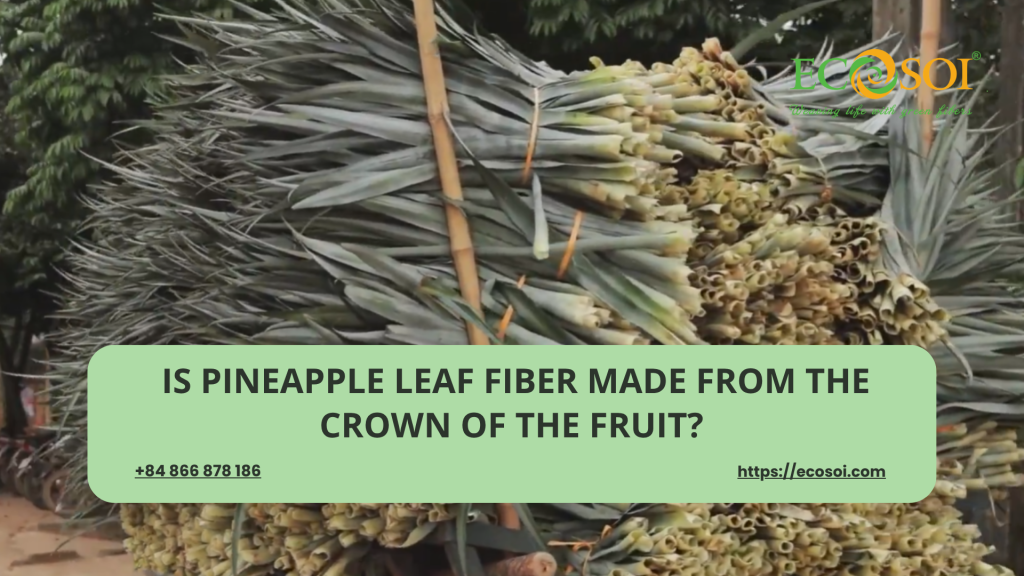
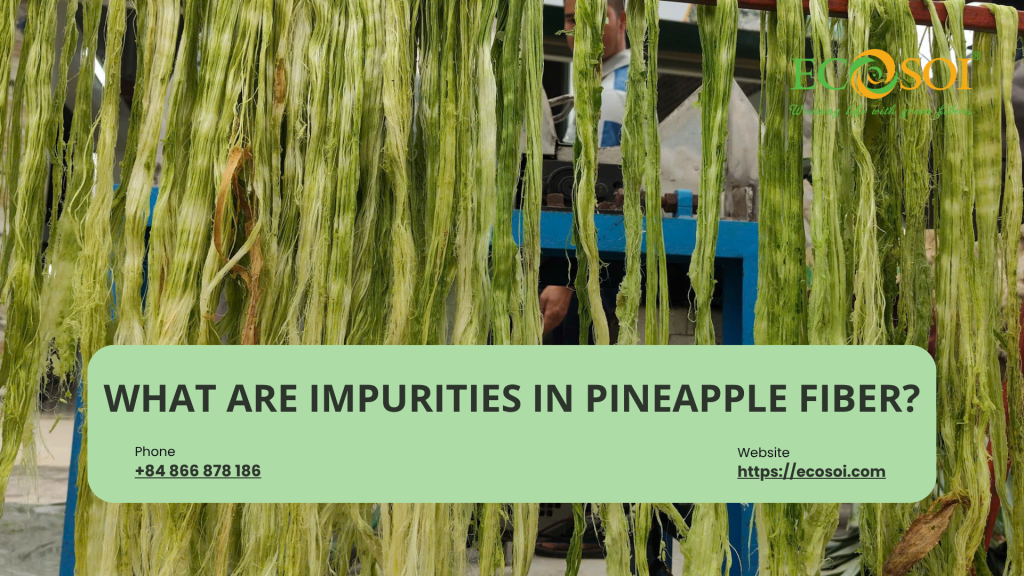
Instead, Ecosoi chooses to share the real technical limits of raw green materials. Thanks to regular textile material research, the company has standardized its extraction process. They clean pineapple leaf fiber using only mechanical tools and fresh water. Therefore, the team successfully keeps the sticky gum rate under 10% on their Q1 fiber line.
Simultaneamente, to fix the rough feel of raw pineapple fiber, Ecosoi uses smart yarn blending steps. Ecosoi successfully mixes natural fibers with regular Cotton or Spandex. Consequently, this material innovation allows eco-materials to work perfectly on high-speed factory looms.
Explore more: How Do Sustainable Materials Help Brands Stand Out in the Market?
CONCLUSION: TEXTILE MATERIAL R&D IS A SMART INVESTMENT
Many textile firms fear R&D because it takes time and costs money. However, in the long run, the risk of standing still is much larger. Factories can lose global supply chain spots if they refuse to change.
In conclusion, textile material R&D is a must-have tool to survive today. Investing seriously in materials means building a solid floor for your long-term success.
Learn more about industrial green material choices: