 VIETNAMESE
Why is Blended Pineapple Fiber Better Than 100% Pure Yarn?
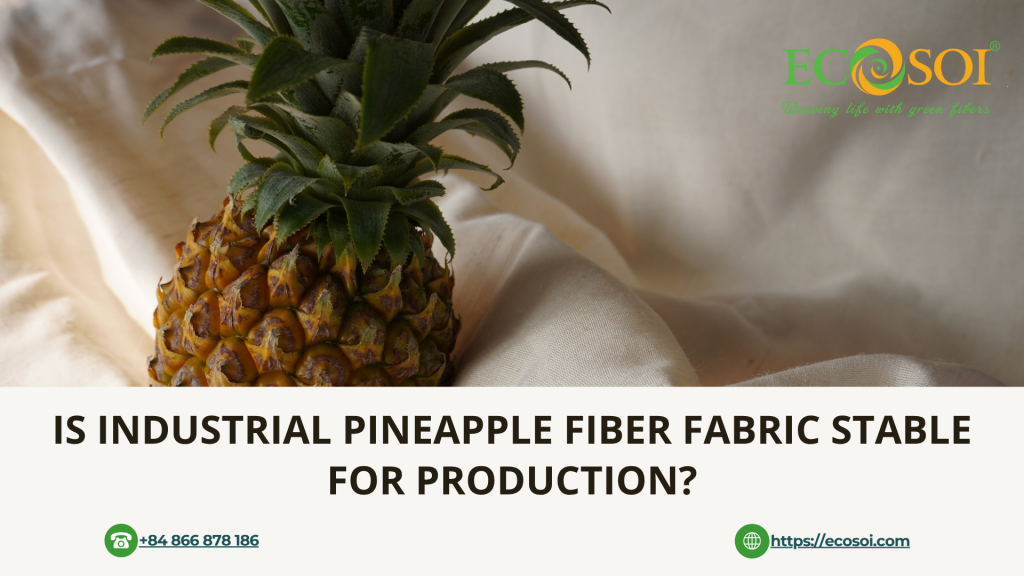
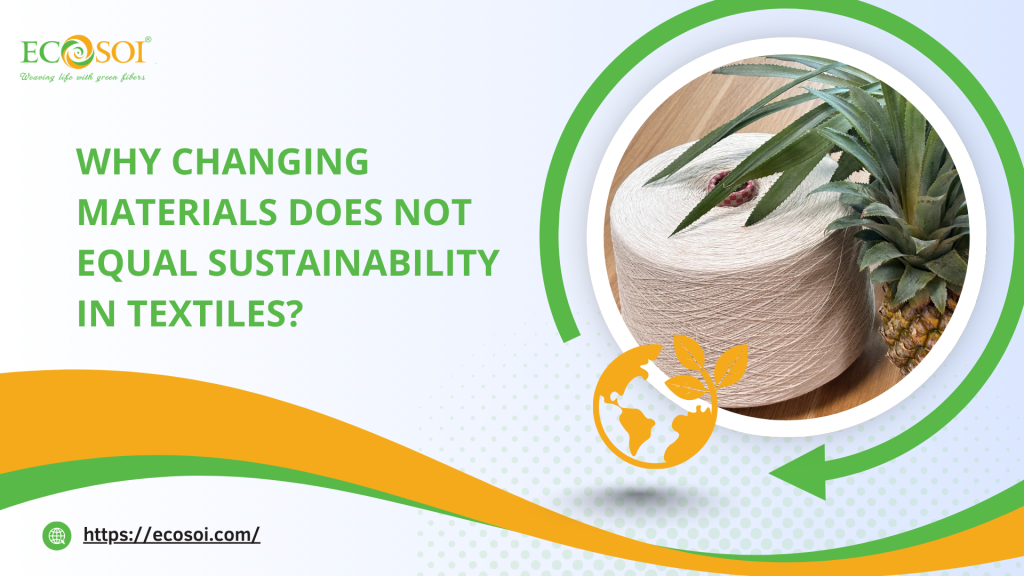
Today, pineapple fiber is gaining huge attention in the textile industry. It has a great plant origin and smartly uses farm waste. However, very few industrial products use this material at a full 100% ratio.
Because of this, buyers and brands ask a big question. Does pineapple yarn have too many limits? Or does blending ruin its original green value? The answer lies purely in physical traits and strict textile rules. It definitely does not mean the fiber quality is poor.
Nội dung chính:
What is Pineapple Fiber and How is it Made?
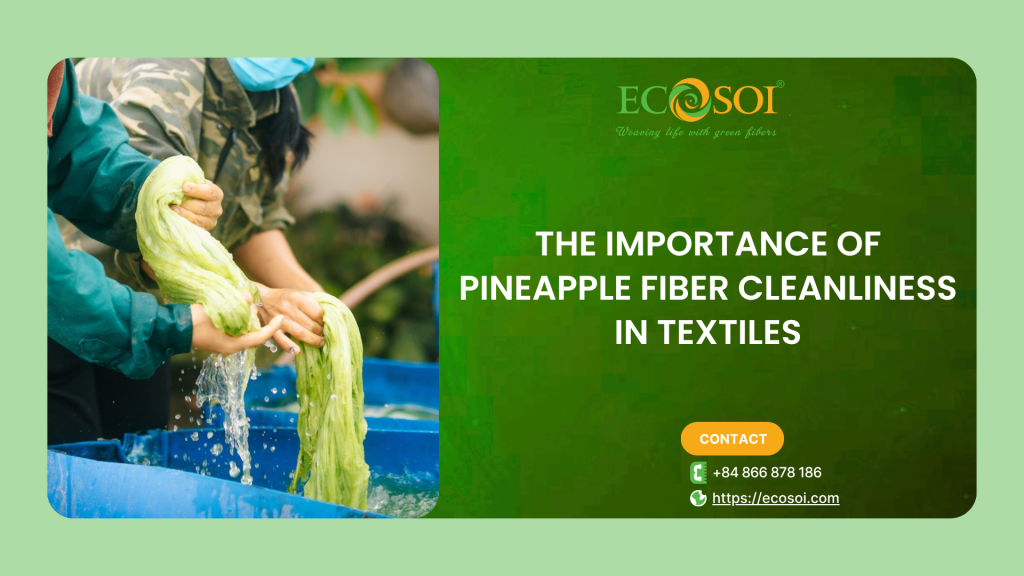
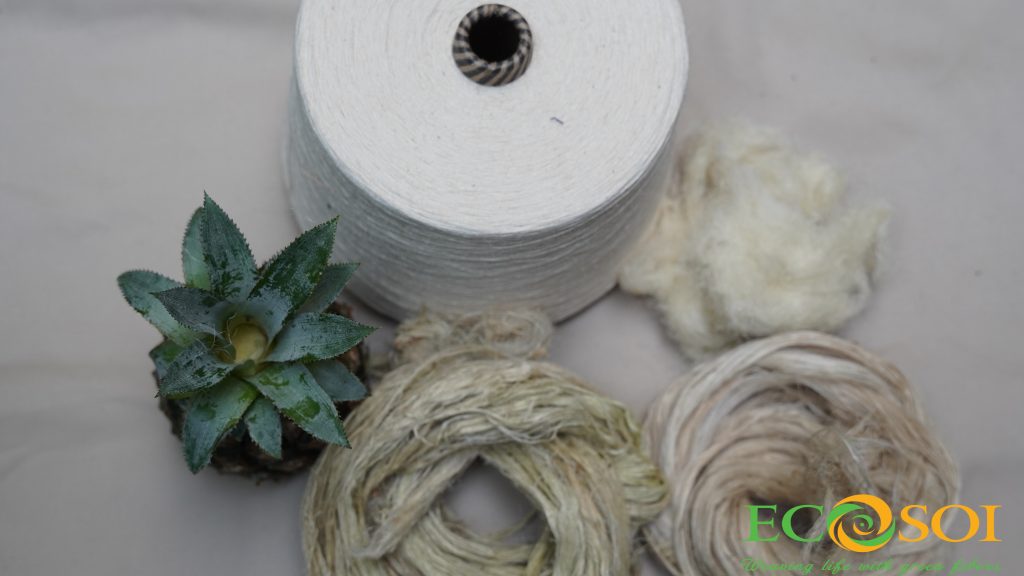
First, workers extract pineapple leaf fiber after the fruit harvest. This creates a massive amount of plant waste. Usually, farmers just leave it to rot or burn it on the farms.
According to FAO studies, recovering fiber from farm waste shows huge potential. It greatly reduces pressure on land and traditional textile materials if processed correctly. However, a 100% natural origin does not mean it can replace all other yarns perfectly.
Natural Traits: Barriers to Using 100% Pineapple Fiber
To run smoothly on industrial machines, pineapple yarn faces two core physical challenges.
Stiffness and Rough Surfaces
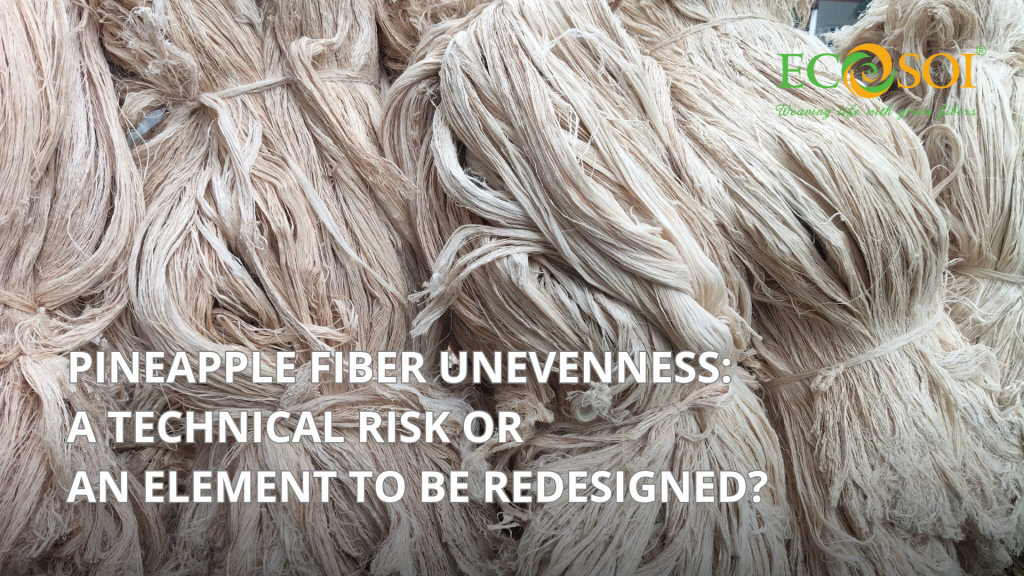
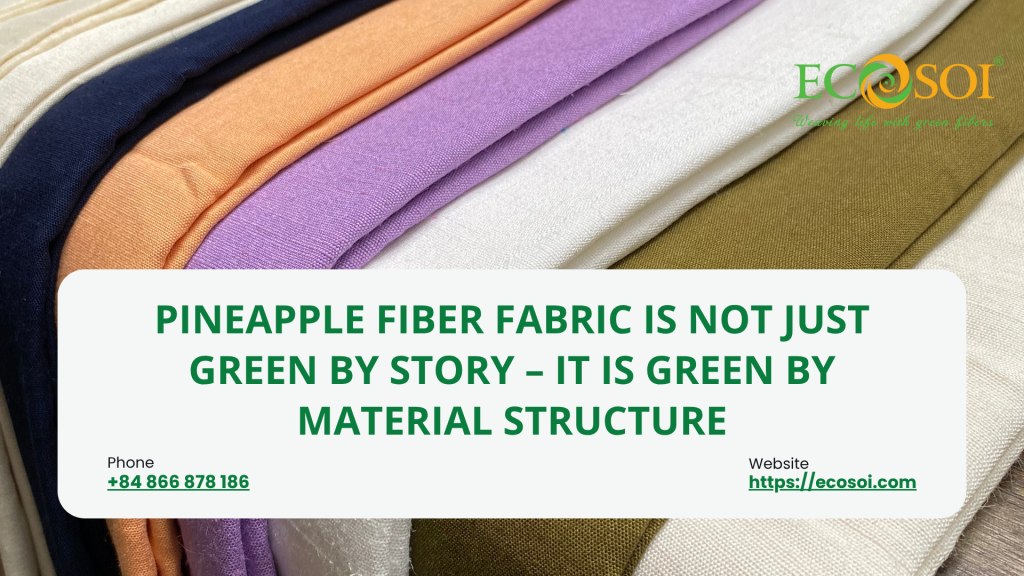
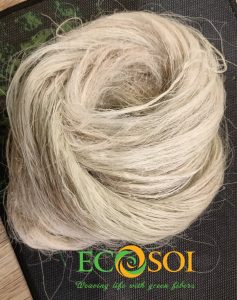
Compared to cotton or viscose, pineapple yarn is naturally stiffer. Also, its surface is rougher and it has low stretch. If you weave pineapple fabric with 100% pure yarn, the surface feels quite rough. Thus, it lacks good drape and is hard to use for daily clothes.
High Breakage Rates on Industrial Machines
Currently, modern spinning systems run at extremely high speeds. In these systems, 100% pineapple fiber struggles to run smoothly. It breaks easily and increases factory errors. Therefore, using blended pineapple fiber is the perfect technical fix for mass production.
Blended Pineapple Fiber: A Logical and Popular Solution
Improving Strength and Surface Feel
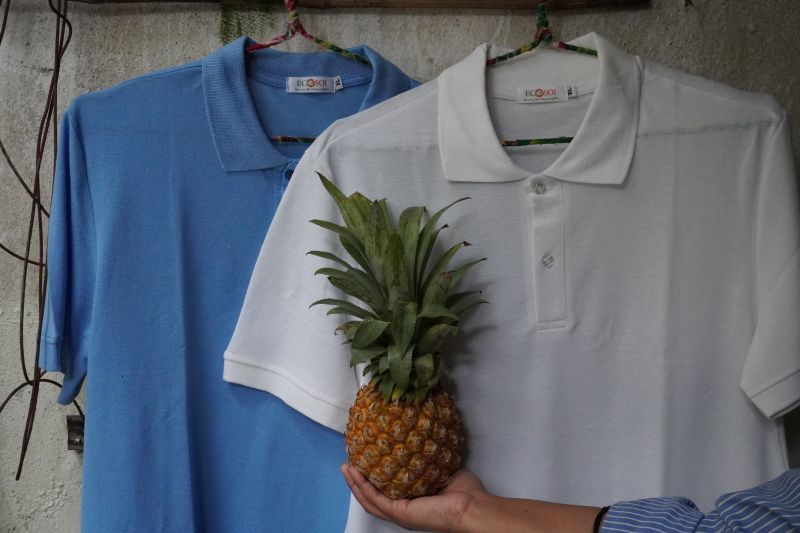
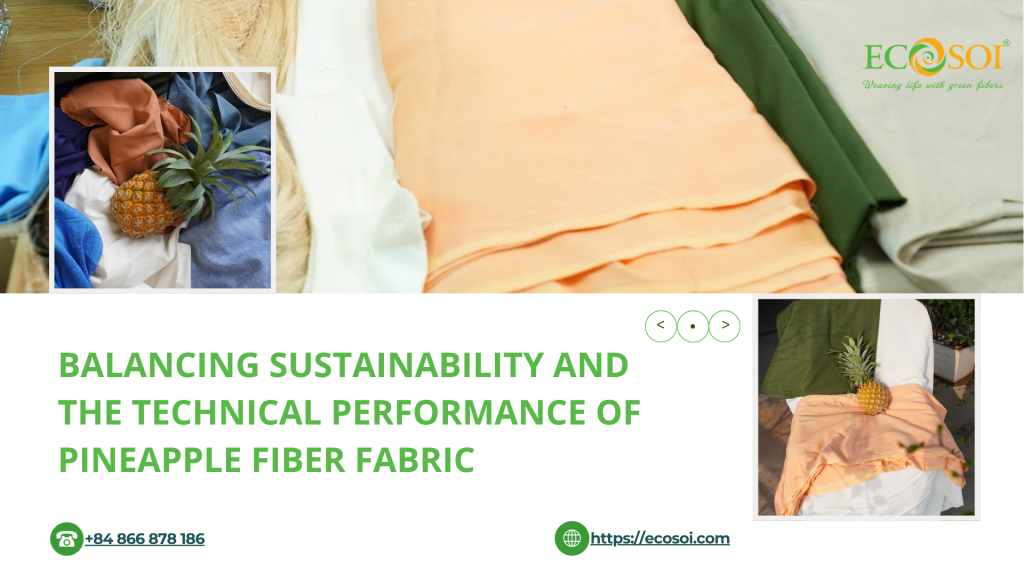
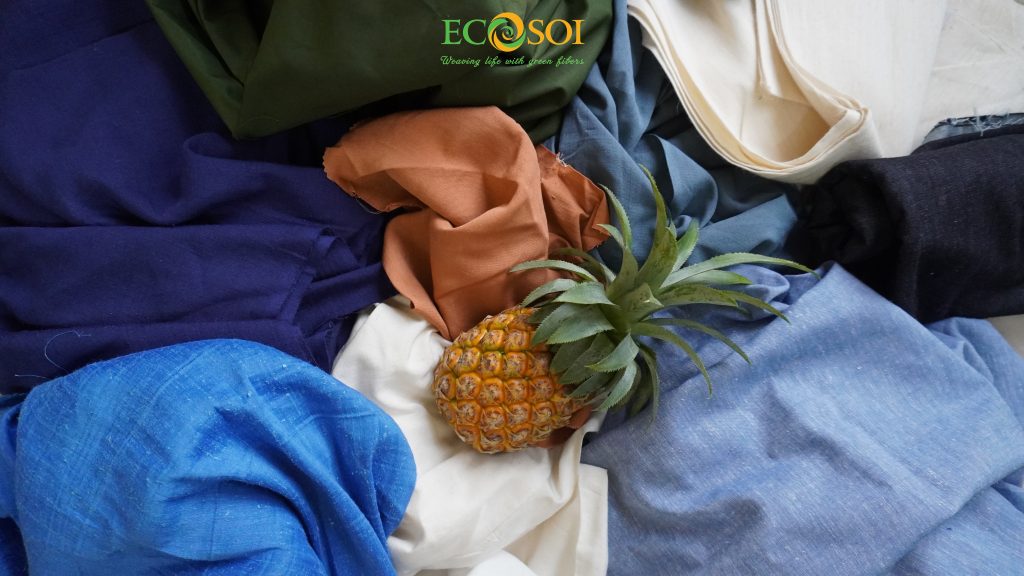
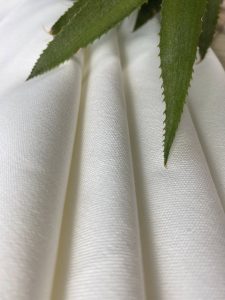
Creating a pineapple fiber blend with cotton, viscose, modal, or silk fixes these physical flaws instantly. The yarn becomes much softer, stronger, and more stable during weaving. Thanks to this, the final fabric feels gentle on the skin. It works perfectly for eco-friendly towels and premium clothing.
Expanding Real Applications
Flexible blending ratios allow pineapple yarn to break its narrow limits. Today, makers explore many new pineapple fiber applications. They use it widely across woven fabrics, knits, soft furnishings, and fashion bags.
Controlling Costs and B2B Risks
According to Textile Exchange reports, blending bio-fibers is a highly strategic method. It helps factories reduce material waste and stabilize output prices. Furthermore, it easily scales up production for massive B2B orders.
Does 100% Pineapple Fiber Actually Exist?
The short answer is yes, but its uses are very specific.
Usually, pure pineapple yarn shines in traditional hand-woven crafts. It also works great for home decor and premium cultural gifts. In these niche markets, the raw, stiff, and unique nature of natural yarn becomes a huge aesthetic plus. However, it does not represent a common solution for industrial fashion.
Does Blending Reduce Material Sustainability?
Absolutely not, as long as the blending is controlled and honest. True sustainability is not decided by a symbolic “100%” label. Instead, it relies on strict facts.
-
First, how much total environmental impact does it reduce?
-
Second, how does the blend improve the product’s lifespan?
-
Finally, is the traceability of all blended parts totally clear?
According to UNEP, we must judge sustainable textile materials scientifically. We must use the Life Cycle Assessment (LCA) method, not just look at the ingredient list.
Ecosoi’s View: Optimizing True Value
At Ecosoi, we do not view pineapple yarn as a total replacement for other fibers. Instead, we position it as a strategic piece within the natural material ecosystem.
Our team chooses the blend ratio very carefully based on the partner’s final use. Ecosoi’s ultimate goal is to supply high-quality raw fiber. We strictly control the processing steps to create real practical value. Ultimately, we do not just chase empty marketing percentages.
Conclusion
In conclusion, the rare use of pure pineapple yarn is not a weakness. Rather, it is the direct result of logical textile engineering. The greatest value of pineapple yarn lies in its ability to blend harmoniously. It helps create higher-performing, eco-friendly fabrics. This smart compromise through blended pineapple fiber is a solid step toward true sustainability in fashion.
Frequently Asked Questions (FAQ)
What materials usually mix with a pineapple fiber blend?
To optimize costs and physical traits, factories often blend it with cotton, viscose (rayon), or linen. Sometimes, they even use recycled polyester (rPET) depending on the brand’s needs.
Is fabric made from blended pineapple fiber soft?
Yes, it is incredibly soft and breathable. When mixed with cotton or viscose at the right ratios (like 20% pineapple and 80% cotton), the fabric stays very soft. Also, it gains better shape retention and natural anti-bacterial traits.
How can factories apply pineapple fiber in mass production?
B2B businesses must find standardized raw fiber or treated pineapple yarn. Suppliers must completely remove bio-trash and lignin. This ensures industrial weaving machines run smoothly without breaking the yarn.