 VIETNAMESE
THE KEY QUALITY CONTROL CRITERIA FOR PINEAPPLE FABRIC TESTING
Pineapple fabric is gaining significant attention in the textile industry today. This material possesses a natural origin and excellent renewability. Moreover, it offers high application potential. However, we cannot evaluate a green material solely by raw perception. In addition, fancy promotional words are simply not enough.
In production and trade, physical test indicators are the ultimate deciding factors. This is especially true when supplying fabric to fashion brands. Therefore, manufacturers must answer these critical questions:
- Is the fabric strong enough for industrial sewing machines?
- Does this pineapple fiber fabric fit the desired garment silhouette?
- Consequently, do pineapple fiber products meet safety standards for export?
Nội dung chính:
OVERVIEW: HOW DOES PINEAPPLE FABRIC TESTING DIFFER FROM TRADITIONAL TEXTILES?
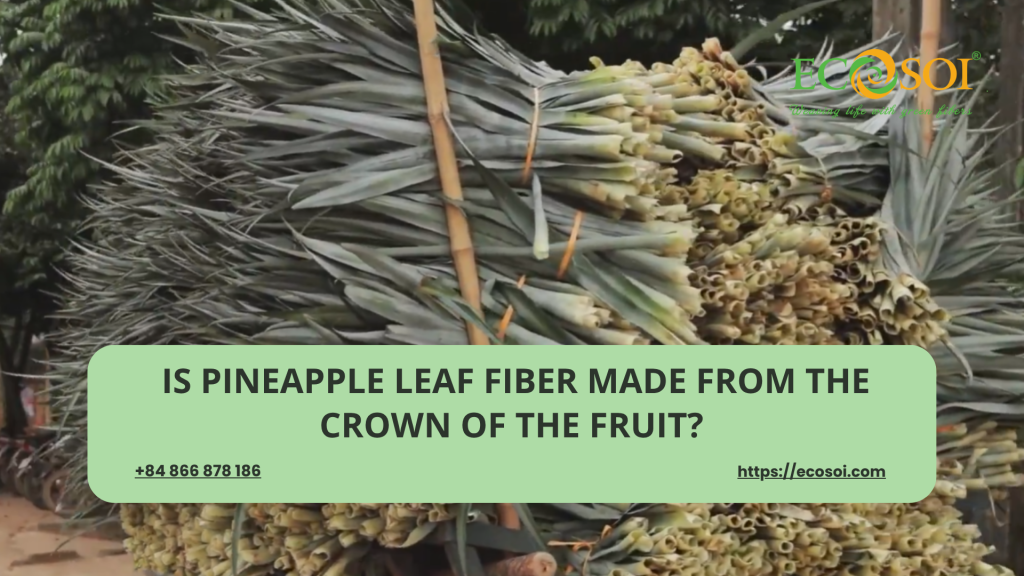
Workers extract pineapple fibers directly from fresh pineapple leaves. Because of this biological origin, they differ greatly from cotton. Similarly, they are very different from synthetic fibers like polyester.
- First, the length of natural raw fibers is not absolutely uniform.
- Second, the stiffness of original pineapple fiber is usually higher than other fibers.
- Finally, softness and stability depend heavily on degumming technology.
Therefore, the quality control for fabric made of pineapple fibers requires a more meticulous process. However, these tests do not aim to make superficial comparisons. On the contrary, they help designers understand the exact limitations of the material. As a result, they can apply them to the most suitable product lines.
7 QUALITY CONTROL CRITERIA FOR PINEAPPLE FIBER FABRIC TESTING IN GARMENTS
Fabric strength (tensile strength and tear strength)
Why is it important? This indicator shows the load-bearing capacity of the fabric when stretched on machines. Furthermore, it determines the durability of the clothing during daily use.
In reality: Natural pineapple fibers are very strong. However, they are unevenly distributed. For this reason, strength results depend greatly on the weaving method and blend ratio. Pineapple fiber fabric testing helps brands position their product segments correctly. Designers will know whether the fabric is best for thin shirts, thick canvas bags, or interior decor.
Fabric shrinkage after washing (dimensional stability)
Why is it important? Shrinkage directly affects the fit and the wearer’s experience. Surely, no one wants a shirt to lose its shape or shrink after the first wash.
In reality: Like many other natural fibers, pineapple fiber is quite sensitive to temperature and humidity. Therefore, this test helps tailors calculate shrinkage in advance for accurate cutting. As a result, defective products after washing and ironing will be minimized.
Abrasion resistance and pilling resistance
Why is it important? This criterion determines the lifespan of clothing under continuous friction. Besides, it also affects the aesthetics of the garment.
In reality: Natural fibers tend to form fine pilling under strong friction if not treated well. Thus, checking this stage helps manufacturers know if the fabric has reached optimal smoothness. If necessary, they can promptly add a fabric-smoothing treatment step.
Air permeability and moisture absorption
Why is it important? This is the biggest selling point that helps pineapple fiber fabric win over consumers. In fact, this material always brings a comfortable feeling to the wearer.
In reality: The pineapple fiber nature has excellent natural moisture absorption. However, actual breathability depends on the fabric density. Therefore, testing ensures that the clothing always maintains its cool advantages. This is especially important for summer fashion lines.
Surface touch and softness (hand-feel)
Why is it important? For buyers, the soft feeling when touching the fabric surface is a key factor. Therefore, it directly decides buying behavior.
In reality: Original raw pineapple fabric can feel slightly coarse. For that reason, testing stiffness helps manufacturers adjust the appropriate softening wash measures. For instance, they can use mechanical or biological methods to make the fabric soft. Yet, the material still retains its unique weight.
Color fastness of the fabric
Why is it important? This indicator keeps garment colors beautiful over time. As a result, clothes will not fade onto other items during washing or when exposed to sunlight.
In reality: The ability to absorb and retain color depends entirely on the scouring and bleaching process. Thoroughly checking color fastness is a mandatory requirement. Only then can the product confidently enter luxury fashion stores.
Ecological safety and chemical residue absence
Why is it important? This is the ultimate standard to protect the skin and health of the wearer. Moreover, it is a mandatory “ticket” if brands want to export to major markets like Europe.
In reality: Every process from fiber extraction, degumming, to dyeing needs strict control. Therefore, testing ensures that the finished fabric is completely benign. In short, chemical residues will not exceed the permitted threshold that harms the skin.
PINEAPPLE FIBER FABRIC TESTING IN PRACTICE: WHAT DO PROFESSIONALS AND WEARERS NEED?
To apply this eco-friendly material well, we need to understand the desires of each group:
| Criteria | Professionals / Fashion Brands | Wearers / Consumers |
| Biggest Concern | Clear fabric specifications and stable thickness. Moreover, they need a consistent fabric supply. | Is the fabric cool? Is it itchy? Furthermore, are the clothes easy to wash, iron, and color-fast? |
| How to Apply Test Results | Confidently use fabric in large-scale sewing. Therefore, there are no more worries about fabric defects. | Trust the safety for health. In addition, clearly feel the durability and human value of the garment. |
WHY IS FABRIC QUALITY CONTROL THE ROOT OF “GREEN FASHION”?
A product is truly sustainable when it meets two factors. First, it must have a natural origin. Second, it must have a long lifespan for extended use. Therefore, rigorous pineapple fiber fabric testing brings many benefits:
- Reduces waste: For example, it minimizes fabric defects and damage during manufacturing.
- Smart application: It helps brands choose the right design styles that match the fabric properties.
- Builds genuine trust: Ultimately, it provides consumers with certified quality products. As a result, buyers will avoid the trap of exaggerated advertising.
In conclusion: Tests do not aim to prove that pineapple fiber is a “flawless” material. Instead, the core purpose is to help us thoroughly understand the properties of pineapple fiber. From there, professionals can apply and design garments in the smartest way. In modern fashion, test results are the common voice. Consequently, they create transparency among material makers, designers, and consumers.
ABOUT ECOSOI – THE LARGEST PINEAPPLE FIBER SUPPLIER IN VIETNAM
ECOSOI approaches the source of pineapple leaf by-products with a love for the environment. Moreover, we combine that with a methodical process of research, testing, and application:
- Clear green impact: The production process of raw fabric completely avoids chemical abuse. Instead, we always optimize to save water and energy. Our eco-friendly fiber extraction technology also helps reduce emissions from burning pineapple leaves. Therefore, this method protects the soil. At the same time, it opens up hundreds of meaningful livelihoods for local farmers.
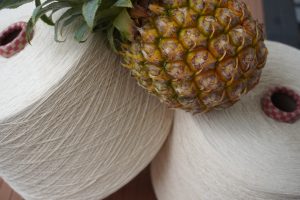
- Diverse fiber products: ECOSOI provides raw pineapple fiber (Q1 line) in natural milky white. This line has a gum ratio below 10%. In addition, we supply sample yarn rolls for weaving and knitting. Furthermore, ECOSOI has successfully researched scientific blends of pineapple fiber and natural cotton. The optimal blend ratio is 20/80 or 40/60. Consequently, this helps the fabric achieve the most comfortable softness and flatness.
Explore more: Pineapple Yarn
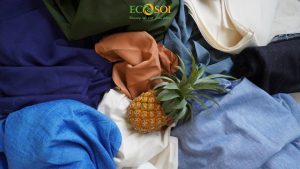
- Highly applicable finished fabrics: We supply thick and durable Canvas pineapple fabric (CV40). Meanwhile, the pineapple fabric mixed with Linen brings soft, breathable, and naturally flat characteristics. Additionally, this material features antibacterial and odor-resistant properties. The products receive excellent feedback from designers. This is thanks to the well-weighted, lightweight feel, and self-flattening ability when hung.
Explore more: Pineapple Fabric
Contact us:
- Website: ECOSOI – Weaving life with green fibers
- Facebook: ECOSOI Fanpage