 VIETNAMESE
Sustainable Fashion Prices: Why Are They Usually Higher?
When buyers see two similar shirts, they often ask a big question. Why are sustainable fashion prices usually higher than normal ones? This is not just a shopper’s doubt. B2B brands and buyers also worry about this when planning their products. Therefore, this article breaks down textile production costs. We will use supply chain facts to show where the real costs hide. Ultimately, you will see if the price is truly fair.
Nội dung chính:
Higher Prices Do Not Mean “Expensive”
First, we must clear up a big mix-up. A higher price from real factory costs is different from a high price driven by marketing. Truly, sustainable fashion costs more in hidden steps. Yet, it brings huge positive impacts to nature and society. According to industry reports from Textile Exchange, the extra cost does not come from design or ads. Instead, it comes from raw materials, safe processing, and strict tracking systems.
5 Core Factors Deciding Sustainable Fashion Prices
Strictly Controlled Raw Materials
Unlike cheap polyester or normal cotton, green materials need strict rules.
-
First, farms must offer clear tracking data.
-
Second, farmers must follow strict eco-rules to collect waste.
-
Finally, buyers must completely avoid risky labor abuse sources.
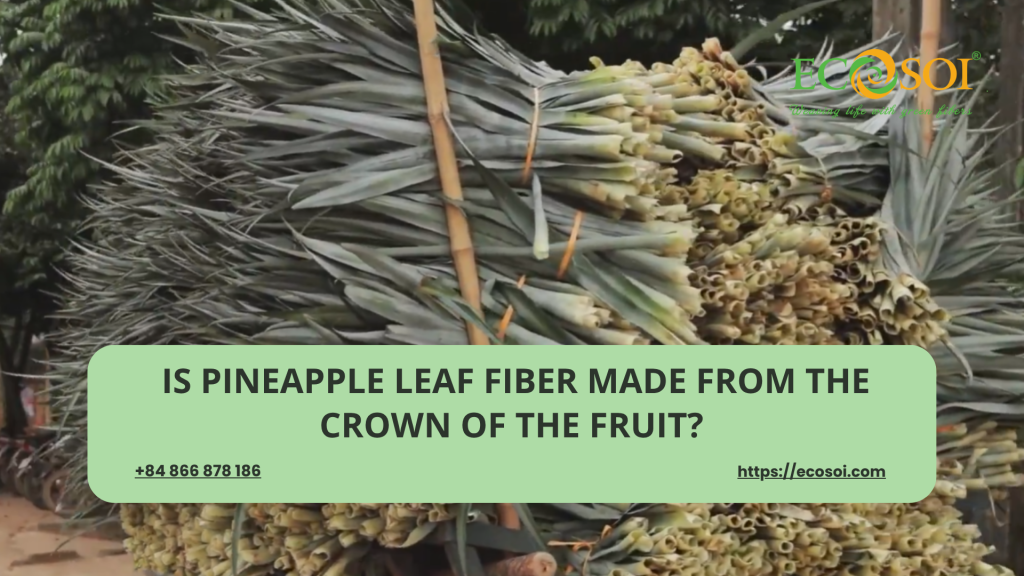
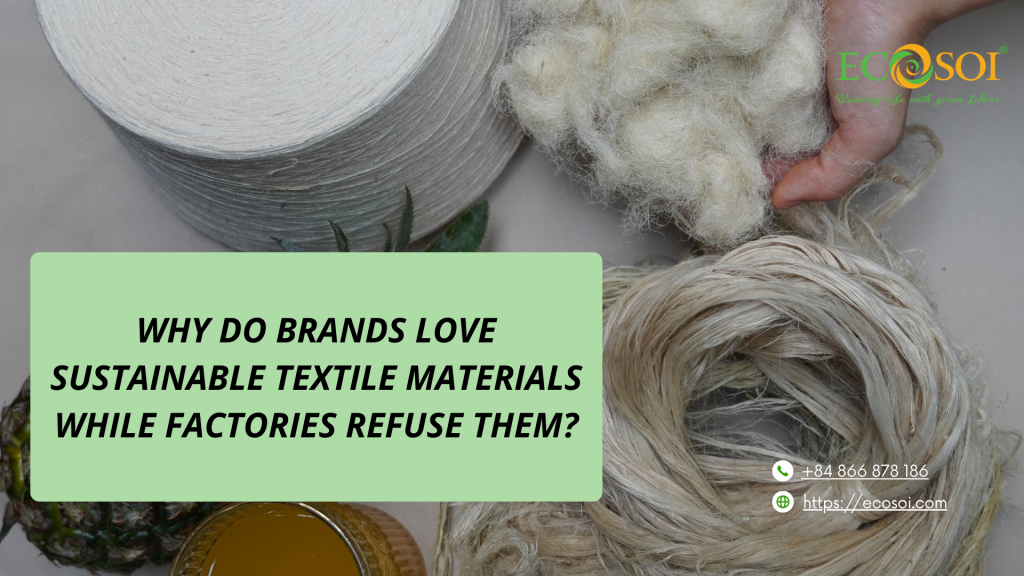
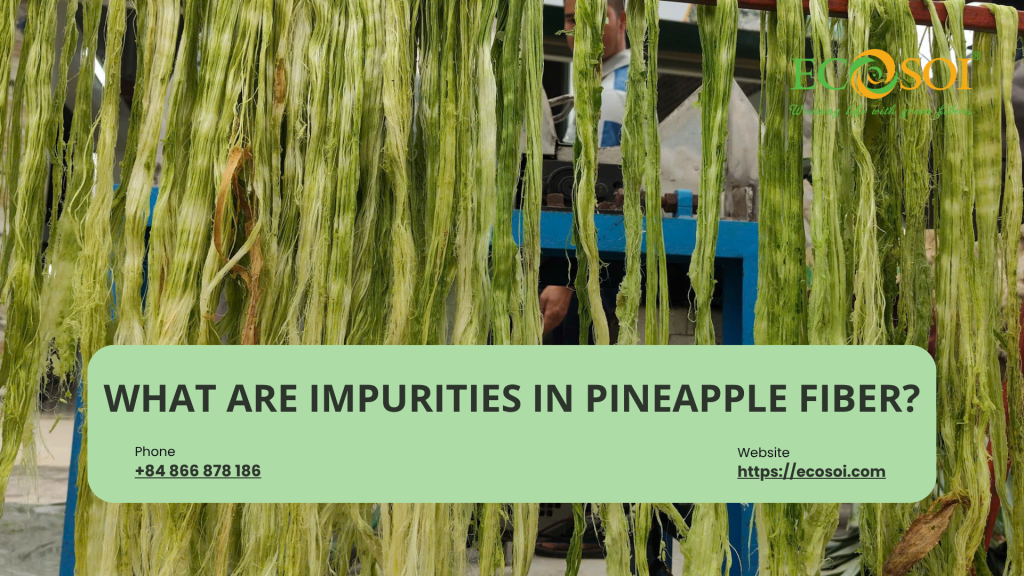
For example, making renewable pineapple fiber involves many hidden steps. The cost covers the leaves, collecting networks, sorting, and careful storage. Also, factories use safe tech to clean the fiber. These steps raise the starting cost right away.

Low Production Scale (Economies of Scale)
Currently, most green fashion brands make small or medium batches. Their supply chains are scattered. Also, many steps require slow, careful handwork.
Because of this, the cost per shirt is much higher than fast fashion. Fast fashion makes huge volumes to lower costs. According to the Ellen MacArthur Foundation, this is a massive challenge. The green industry has not reached a cheap scale yet. However, the long-term benefits are totally clear.
Eco-Control and Processing Costs
Making green clothes is never cheaper. Actually, it costs much more early on. Businesses must invest heavily in key areas:
-
They must build standard wastewater treatment systems.
-
Workers must reduce toxic chemicals and use safe bio-enzymes instead.
-
Factories must save energy and control greenhouse gases.
According to the UN Environment Programme, normal textile production costs often ignore nature. Usually, local people and the earth pay that hidden price. When a brand takes real duty for this, the product price must reflect those true costs.
Labor Costs and Social Duty
A true eco-friendly item deeply values human lives. The price covers safe workplaces, fair pay, and fair working hours. In many cases, fast fashion only achieves super low prices by ignoring basic human rights.
Data Transparency and Tracking Costs
Unlike normal clothes, green fashion demands strict proof. Brands need raw material records and supplier checks. Also, they need clear eco-impact data. Building this honest system takes time, staff, and money. Yet, this is an absolute must to meet global ESG rules.
A Multi-Dimensional View: Is the Price Fair?
For B2B businesses, green fashion is a highly safe, long-term investment. It helps supply chains lower legal risks and protect brand trust. Furthermore, it helps companies pass strict global ESG supply chain rules. Paying more early on prevents rejected export orders later.
For B2C shoppers, you are not just buying a simple shirt. You are paying for longer product life, skin safety, and strong ethics. However, modern buyers are very smart. They do not buy fake stories. They buy solid proof.
Ecosoi’s View: Proving True Value With Data
At Ecosoi, we research and supply green pineapple fiber to the textile industry. We firmly believe a big rule. The price of green materials must show the true cost to make them. Brands must not fake or hide anything.
Because of this, we heavily invest in the best fiber extraction tech. We strictly control energy use. Most importantly, we provide clear carbon emission reports for every step. Ecosoi does not use empty marketing words. Instead, we build true value using clear data. Thus, our B2B partners feel totally safe using our materials.
Conclusion
Instead of asking why green items cost more, we should ask a better question. How much hidden pain do cheap clothes cause to humans and the earth?
👉 Sustainable fashion prices are not cheap. Yet, ignoring nature is the most expensive mistake in the long run.
Frequently Asked Questions (FAQ)
1. Will eco-friendly product prices drop in the future? Yes, they likely will. Market demand is growing fast right now. Soon, bio-material makers will reach a larger, cheaper scale. Also, recycling tech will improve greatly. Consequently, the cost per item will drop and become much easier to buy.
2. How do I know I am paying for real quality, not just marketing? You must always look for total honesty. A trusted green brand will share its raw material origins openly. Also, they will show third-party papers (like GOTS or Oeko-Tex). Finally, they will give real factory data instead of using empty words like “100% natural.”
3. Why do farm waste materials have high processing costs? Farm waste (like pineapple leaves) is very easy to find. However, turning it into industrial yarn is extremely hard. It requires complex collecting networks and hard extraction steps. Also, removing lignin and softening the fiber takes a lot of time, tech, and labor. Basically, this is much harder than making cheap plastic polyester.