 VIETNAMESE
IS PINEAPPLE FIBER CLOTHING BIODEGRADABLE AFTER A FEW MONTHS IN YOUR CLOSET?
Can a pineapple fiber shirt biodegrade if you leave it in your closet for months? Does plant-based clothing break down on its own over time?
The answer is no. Pineapple fiber clothing does not biodegrade quickly under normal storage conditions. Although the material comes from plants, it still needs the right environment to biodegrade.
So, what affects the biodegradability of pineapple fiber clothing? And is this material truly better for the environment? Let’s take a closer look.
Nội dung chính:
Is pineapple fiber clothing biodegradable in your closet?
No. A shirt made from pineapple fiber does not biodegrade simply because it comes from a plant. Biodegradation requires microorganisms to break down the material. In addition, moisture and temperature affect how quickly this process happens.
However, most closets are dry. Clothes also have little contact with soil and microorganisms. Therefore, a closet does not provide the conditions needed for rapid biodegradation.
Consider a simple example. Fallen leaves in a garden gradually break down. Soil, water, and microorganisms help this process happen. However, a leaf kept in a dry place will break down much more slowly. Pineapple fiber works in a similar way. Its plant-based origin does not mean it can biodegrade under every condition.
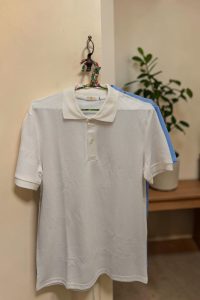
Pineapple fiber polo shirt – Ecosoi
Why can pineapple fiber biodegrade, but clothing may not?
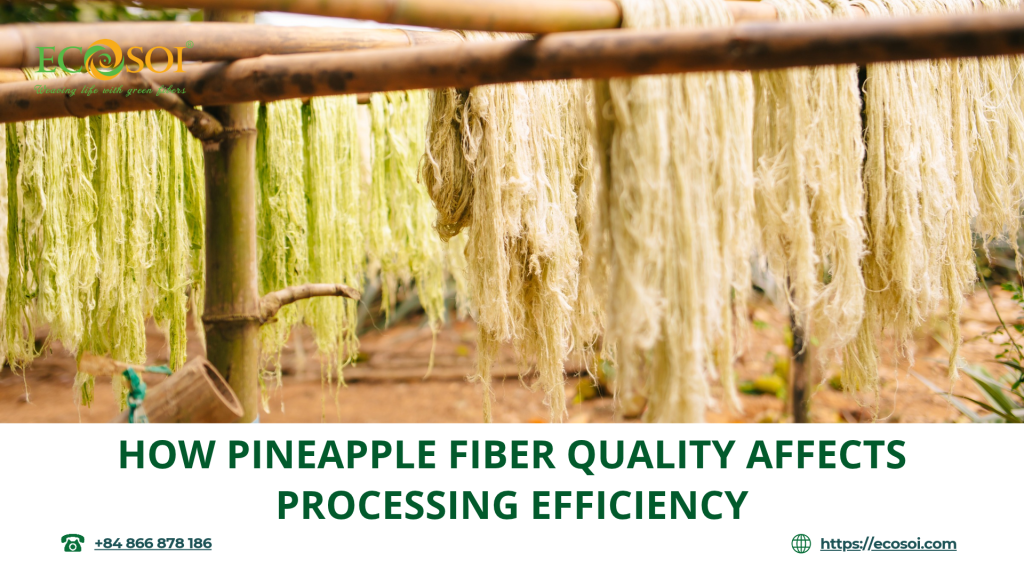
The key difference lies in the product’s composition. Pineapple leaf fiber (PALF) comes from pineapple leaves. It is a plant-based fiber that contains cellulose and other natural compounds. Microorganisms can break down cellulose under suitable conditions. Therefore, pineapple fiber has the potential to biodegrade.
However, a finished garment goes through several production stages. Manufacturers may spin the fiber into yarn and blend it with other materials. They then weave or knit the yarn into fabric. Finally, they may dye and finish the fabric. For example, consider these fabric types:
- Pineapple fiber and cotton blends: Both fibers come from plants. However, the fabric’s biodegradability still depends on its full composition and processing.
- Pineapple fiber and polyester blends: These fabrics contain synthetic fibers. As a result, you cannot assume that the whole fabric will biodegrade like pure pineapple fiber.
- Finished pineapple fiber fabrics: Dyes, softeners, and functional treatments may affect the biodegradation process.
Therefore, the percentage of pineapple fiber alone cannot determine a garment’s biodegradability. You also need to consider the other materials and the production process.
What affects the biodegradability of pineapple fiber clothing?
Several factors influence how a pineapple fiber garment breaks down. Here are three important ones.
Fabric composition
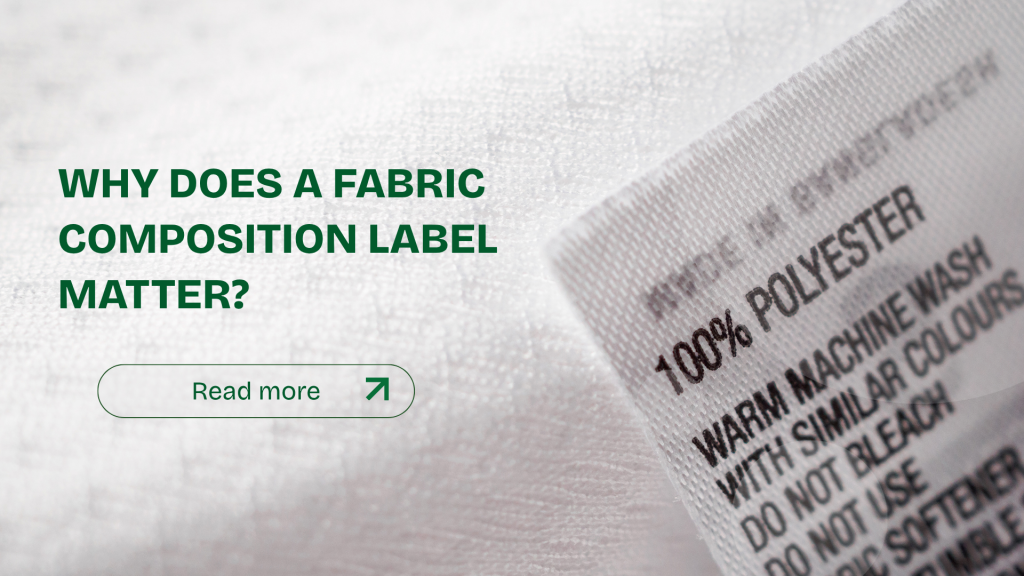
First, check the fabric composition. A garment made from plant-based fibers may behave differently from one blended with polyester or spandex. Buyers should read the product label before making a choice. In particular, they should distinguish the pineapple fiber content from the synthetic fiber content.
Dyeing and finishing processes
A garment contains more than its original fibers. During production, manufacturers may dye the fabric or apply surface treatments. Some treatments make the fabric softer or help reduce wrinkles. Others may add water resistance or antibacterial properties.
However, the chemicals used in these processes may also affect biodegradability. Therefore, the fiber content alone does not provide a complete picture.
Conditions after disposal
The disposal environment also matters. A garment placed in a composting system faces different conditions from one stored in a closet or sent to landfill. Each environment has its own moisture level, temperature, and microbial activity. As a result, the material may break down at different rates.
A 2025 study published in Agronomy examined cotton, linen, and viscose textiles. The researchers tested these materials under composting and vermicomposting conditions. The findings showed that treatment conditions affected textile biodegradation. However, the study did not test pineapple fiber fabrics. Therefore, its results cannot directly establish how pineapple fiber clothing will break down.
You need tests on the specific product to assess its biodegradability. Do not assume that every garment made from plant-based materials will fully biodegrade.
Is pineapple fiber clothing truly environmentally friendly?
Pineapple fiber can help diversify the raw materials used in the textile industry. However, we need to assess its benefits carefully. One important point is its raw material source. After harvesting, pineapple leaves can provide fiber for further processing. Instead of treating these leaves only as agricultural by-products, producers can explore ways to create additional value from them.
In addition, manufacturers can blend pineapple fiber with cotton and other fibers. This gives them more options when developing fabrics and garments. Natural raw materials do not automatically make a product low-impact. We also need to consider the full production process.
For example, the collection of raw materials and fiber processing both matter. Transportation, product use, and end-of-life treatment also affect the overall environmental impact. When choosing clothing, consumers should consider:
- Fabric composition: Which fibers does the product contain?
- Durability: Can the garment meet their needs over the long term?
- Production process: How did the manufacturer dye and finish the fabric?
- End of life: Can the product be reused or processed after use?
A more responsible product choice involves more than the origin of its raw materials. Durability and proper use also matter.
How does Ecosoi develop materials from pineapple leaves?
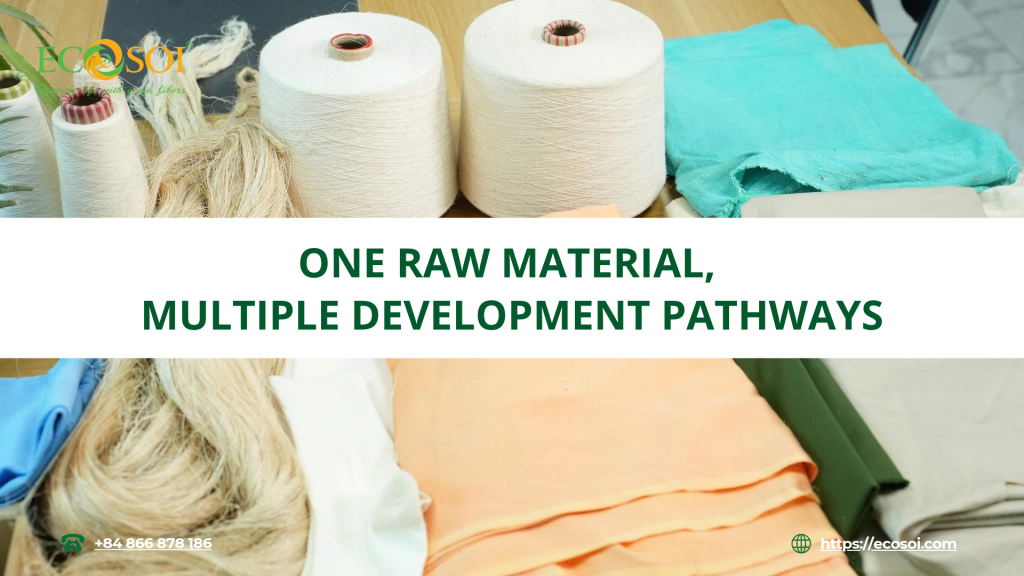
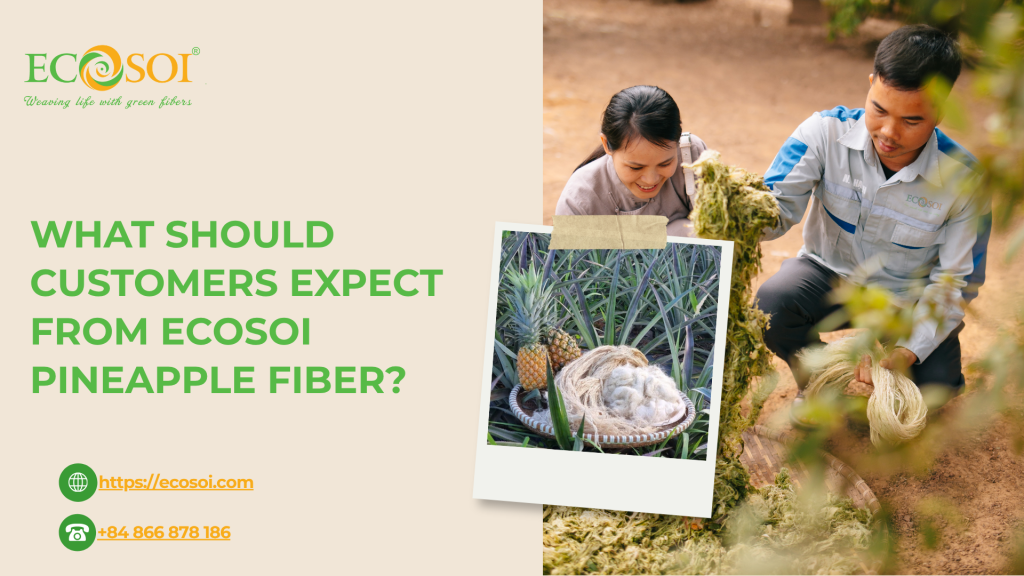
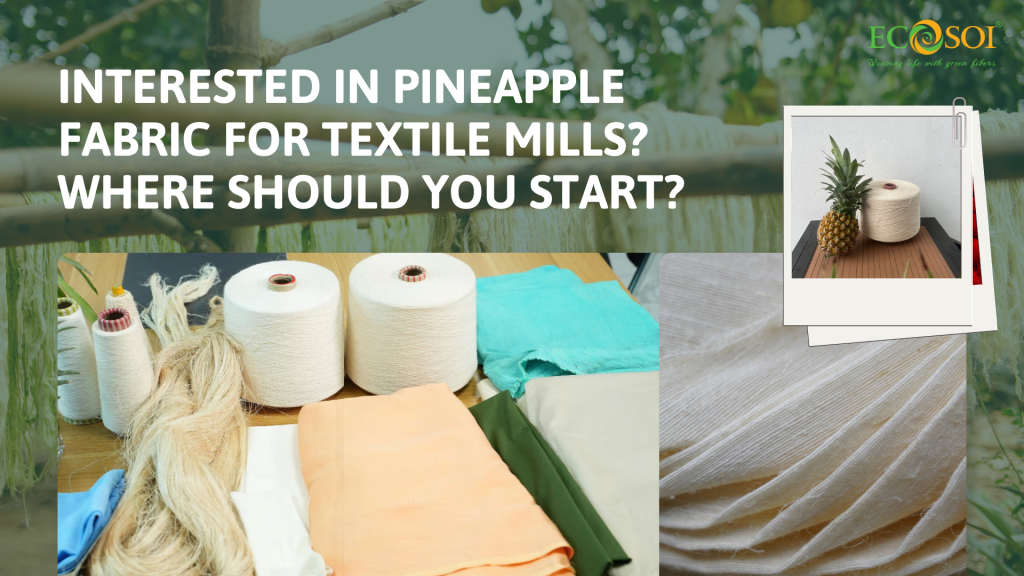
At Ecosoi, we use pineapple leaves as a source of raw materials for textile applications. Our product development approach follows a material chain. It starts with pineapple fiber and continues through yarn and fabric. Our current product categories include:
- Raw pineapple leaf fiber: Available in different processing grades.
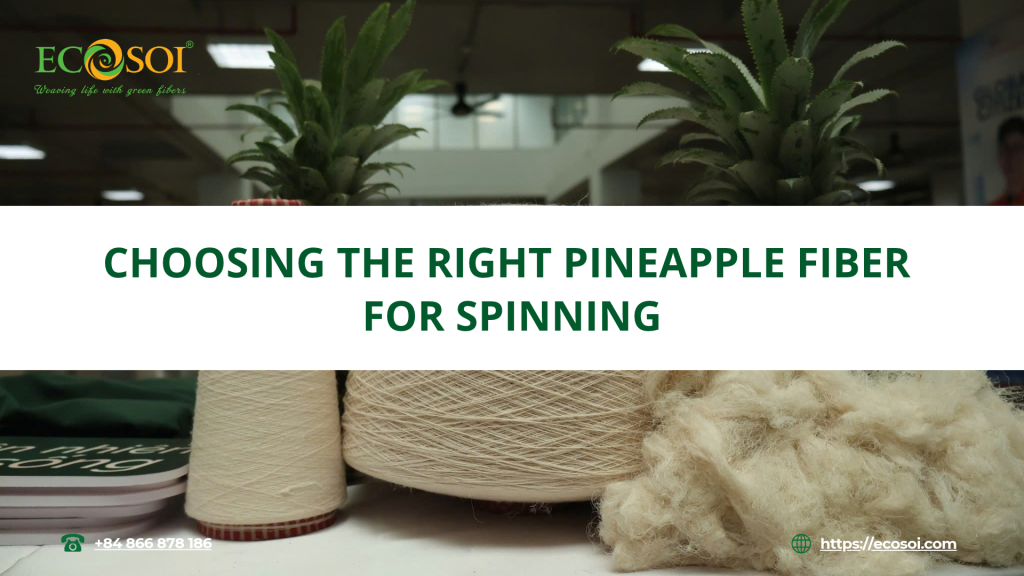
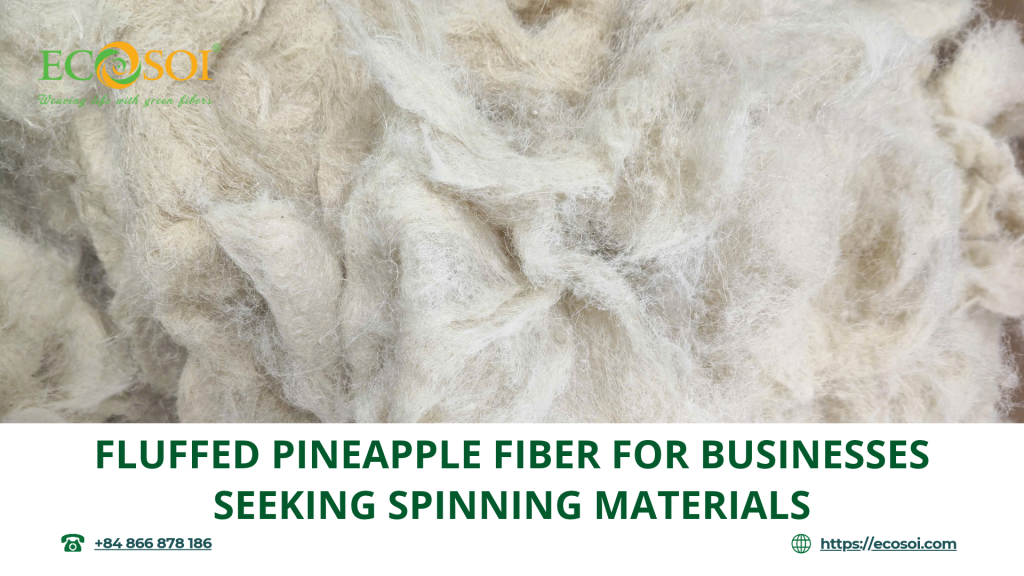
- Fluffed pineapple fiber: Developed for spinning needs and material research.
- Pineapple yarn: Available in blends with cotton.
- Pineapple fiber fabric: Includes woven and knitted fabric options.
Each material serves different production needs. Therefore, businesses should select materials based on their intended applications.
For B2B customers, we recommend testing samples before moving to large-scale production. This step helps buyers check the actual composition and properties of the material.
Shop – ECOSOI – Weaving life with green fibers
If you are sourcing materials for a textile project, contact Ecosoi to discuss sample options and suitable specifications.
Conclusion: Is pineapple fiber clothing biodegradable?
So, is pineapple fiber clothing biodegradable after a few months in your closet? The answer is no. Pineapple fiber comes from plants and has the potential to biodegrade. However, this process requires suitable conditions.
A garment’s biodegradability also depends on its fabric composition. Dyeing, finishing, and disposal conditions can affect the process as well.
A garment made from natural materials will not necessarily biodegrade on its own. Understanding the material helps consumers make informed choices. It also helps businesses make accurate and responsible environmental claims.