 VIETNAMESE
WHY DOES A FABRIC COMPOSITION LABEL MATTER?
Have you ever bought a shirt because the fabric felt soft and cool? After a few washes, did it shrink or lose its shape? To choose and care for clothes properly, you need to understand the materials they contain. A fabric composition label can help you do that.
But what information does this label provide? And why should both consumers and textile businesses pay attention to it?
Nội dung chính:
What is a fabric composition label?
A fabric composition label lists the fibres used in a product and the percentage of each fibre. For example, a label that reads “95% cotton, 5% elastane” shows that the fabric contains cotton and elastane. Cotton comes from the cotton plant. Elastane adds stretch.
However, fibre composition does not determine every fabric property. Two fabrics with the same composition can differ in thickness, drape, and feel. Weaving or knitting structure also matters. In addition, dyeing and finishing processes can affect the final result.
Why should you read a fabric composition label?
Understand the material before buying
Cotton, polyester, linen, and viscose have different origins and properties. Cotton is common in everyday clothing. Polyester is used in many garments and technical products. Linen is made from flax.
However, no single fibre suits every need. The feel of a garment also depends on its fabric structure and design. Therefore, consider the full product rather than judging it by fibre composition alone.
Choose fabric for its intended use
A shirt for everyday wear and a bag may need different properties. For stretchy clothing, check whether the fabric contains elastane. For bags and accessories, consider fabric strength and structure more carefully.
In addition, review the technical specifications before making a decision. For textile businesses, sample testing helps assess shrinkage, colourfastness, and processability. These checks can help determine whether a fabric suits the intended product.
Care for clothes correctly
The composition label tells you which fibres a garment contains. By contrast, the care label explains how to wash, dry, or iron it.
Although these labels provide related information, they serve different purposes. Therefore, always check the care instructions before washing. This can help reduce the risk of shrinkage, colour fading, or loss of shape.
Assess sustainability claims
Terms such as “natural,” “recycled,” and “eco-friendly” do not prove that a product has a low environmental impact. A fabric composition label identifies the fibres used. However, it cannot show the full environmental impact of a textile product.
To assess sustainability, consider other factors as well. These include raw material sources, production processes, product durability, and end-of-life options. For example, a natural fibre does not automatically have a lower environmental impact in every situation.
Therefore, look for specific, verifiable information instead of relying only on marketing terms.
How to read a fabric composition label
When reviewing fabric information, focus on three key details:
- Composition: The types of fibres used and their percentages.
- Fabric weight (GSM): The weight of one square metre of fabric, measured in grams per square metre.
- Fabric width: The width of the fabric. This is especially important when calculating material needs for production.
For example, a fabric containing 15% pineapple fibre, 83% cotton, and 2% spandex is a blended fabric. The stated composition shows that pineapple fibre accounts for 15% of the total fibre content.
However, fibre percentages alone cannot tell you whether a fabric is suitable for a specific product. Depending on the intended use, you may also need to test shrinkage, colourfastness, tensile strength, or pilling resistance.
Furthermore, businesses selling products in different markets should check the relevant labelling rules. For the European Union, refer to Regulation (EU) No 1007/2011 on textile fibre names and fibre composition labelling. The applicable requirements should be checked before products enter the market.
Explore pineapple fibre fabrics at Ecosoi
Ecosoi develops fabrics that combine pineapple fibre with other fibres. Their composition and technical specifications help customers assess whether a material meets their needs.
For example, the woven pineapple fabric CFD 2500011 (NO.11) contains 15% pineapple fibre, 83% cotton, and 2% spandex. Its weight is 200 g/m². The CV40 canvas fabric contains 40% pineapple fibre and 60% cotton, with a weight of 300 GSM.
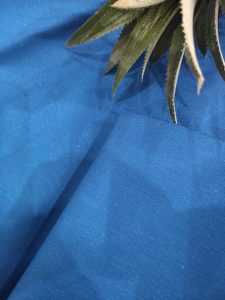
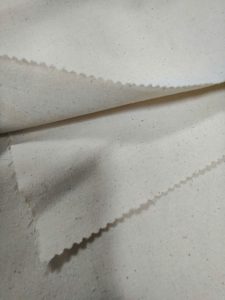
These fabrics have different compositions and specifications. Therefore, choose between them based on the product design and intended use. The percentage of pineapple fibre should not be the only deciding factor.
For fashion brands, designers, and manufacturers, sample testing is an important step before bulk production. Check the fabric’s handfeel, shrinkage, and suitability for your manufacturing process. These checks help you assess the material against your product requirements.
Explore Ecosoi’s pineapple fabric collection to review available options. You can also contact the Ecosoi team through its official channels to discuss composition, specifications, and sample requests.
Conclusion: Why a fabric composition label matters
A fabric composition label helps consumers understand textile materials and make better clothing choices. It also supports proper garment care. For businesses, the label provides a starting point for material selection and technical testing.
However, fibre composition does not tell the whole story about product quality or environmental impact. Therefore, combine label information with technical specifications and real-world testing. This approach helps you choose materials that better meet your needs.