 VIETNAMESE
ECOSOI: LONG-TERM SUPPLY PARTNERSHIPS FOR TEXTILE BUSINESSES
Finding the right material supplier is important for textile businesses. However, one good order does not ensure a steady supply. Businesses must also check batch quality, material specs and supply plans. These points matter even more when they use new materials.
Ecosoi develops materials from pineapple leaves. The company aims to work with textile businesses based on their needs. This means more than showing products. Both sides need to discuss technical needs, order sizes and possible uses. How can Ecosoi support businesses during the supply process? What should buyers prepare before placing an order?
Nội dung chính:
Textile supply partnerships should start with production needs
Each business has its own production process. So, one type of material will not suit every buyer. Spinning mills need to check the quality of incoming fibers. Weaving mills must assess yarn specs and how well the yarn works in production. Garment makers need fabrics that suit their final products.
For example, a spinning mill may check fiber length, processing level and impurity content. A weaving mill may focus on yarn count and blend ratio. Fabric makers also need to check weight, width and weave structure.
Both sides should first discuss how the buyer plans to use the material. The supplier needs to know which stage of production will use it. Buyers should also state what matters most for their products. Once both sides agree on these needs, they can choose materials more clearly. This also marks the first step towards a long-term supply partnership.
What pineapple materials does Ecosoi supply?
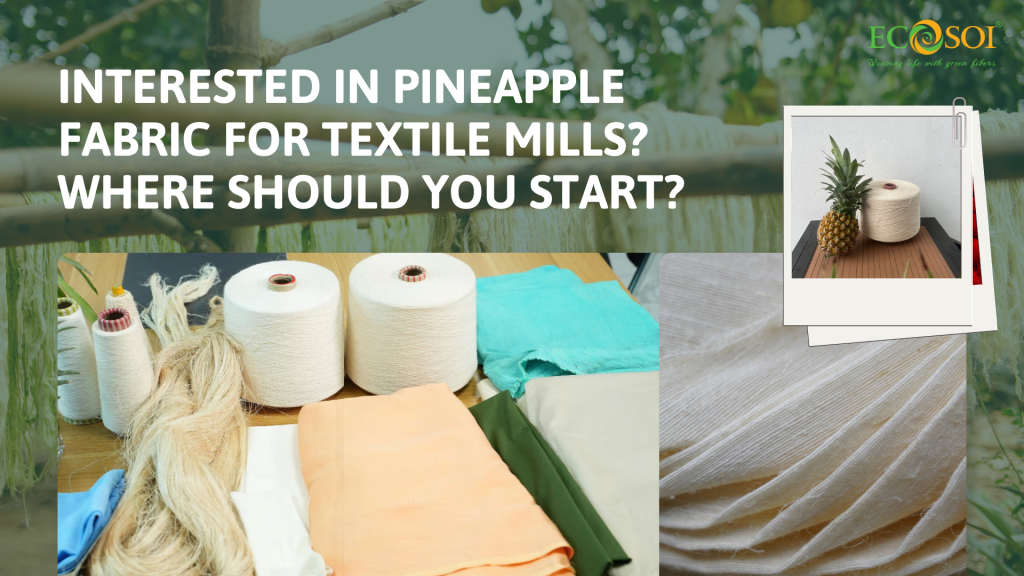
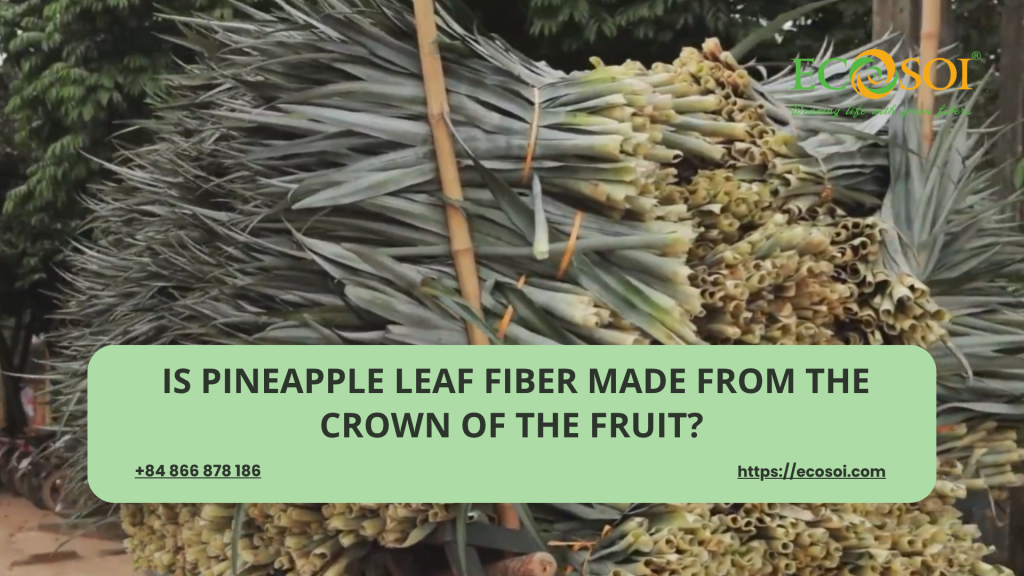
Ecosoi offers materials made from pineapple leaves at different stages. Buyers can explore raw fiber, blended yarn and pineapple fiber fabric. Each type serves a different need. So, businesses should choose based on their own production process.
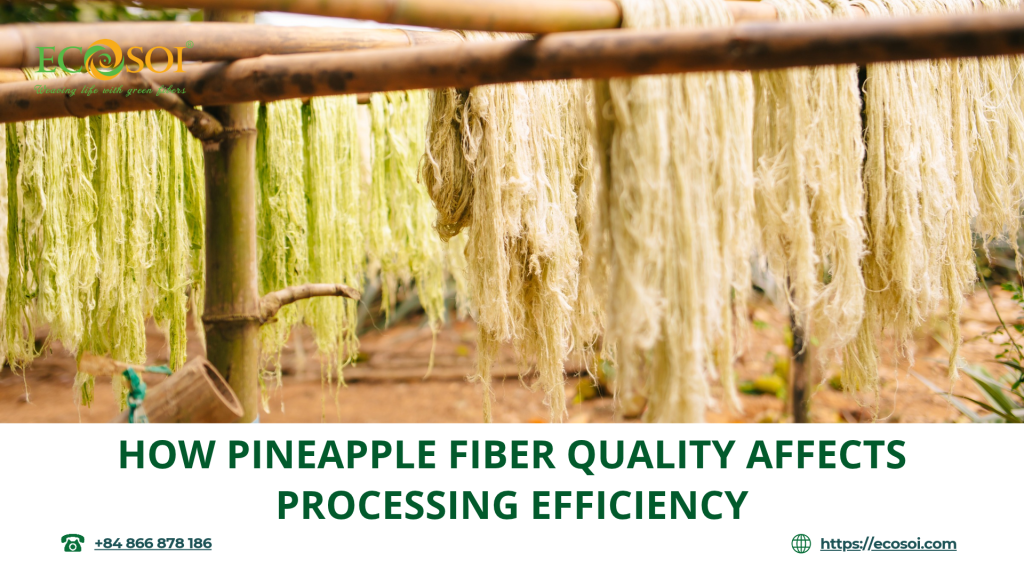
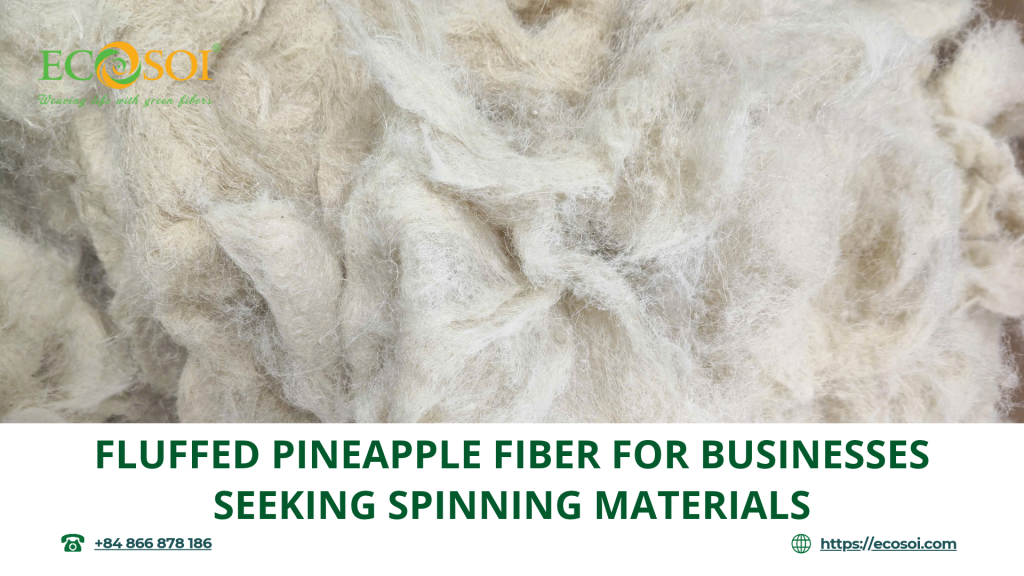
Raw and fluffed pineapple fiber
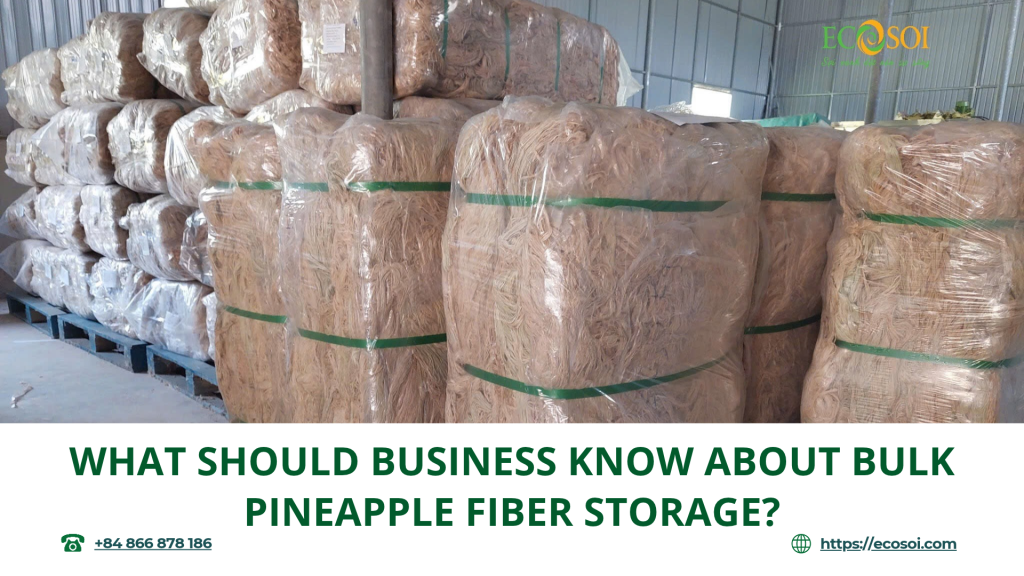
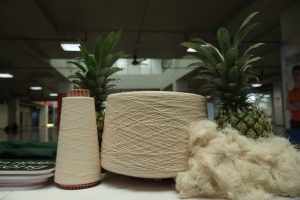
Raw pineapple fiber is an input for fiber processors and spinning mills. Its processing level, color and impurity content may vary by grade. Ecosoi offers fiber grades with different levels of processing. Buyers can ask about Q1, Q2 and Q3 based on their needs.
Fluffed pineapple fiber has also gone through processing and fiber opening. Buyers may explore it for spinning or other uses. When asking about these materials, they should share the following details:
- Required processing level and impurity limits.
- Desired fiber length.
- Preferred color and fiber features.
- Intended use and next processing steps.
- Estimated order quantity.
These details help both sides define the required specs. They also help them set clear quality checks for delivery.
See the Ecosoi product catalogue to learn more.
Pineapple blended yarn
Pineapple blended yarn is an option for spinning mills, weaving mills and material developers. Manufacturers can blend pineapple fiber with cotton or other fibers. The blend ratio affects the yarn’s features. Yarn count and structure must also suit the weaving method.
Ecosoi offers several pineapple-cotton yarn blends. Each option has a different blend ratio. These products give businesses a starting point when they explore pineapple-based materials.
However, buyers should not choose yarn based on pineapple fiber content alone. They should also check yarn count, evenness and how well the yarn works with their machines.
For a new fabric, buyers should first define the weave or knit structure. They also need to consider the needs of the final product. This helps both sides discuss suitable yarn options.
See the Ecosoi product catalogue to learn more.
Pineapple fiber fabric
Fabric is closer to the finished product than fiber or yarn. Typical buyers include garment makers, fashion brands and product teams.
Ecosoi offers fabrics for textile production and handweaving. The range includes woven and knitted fabrics. Each type has its own blend and specs.
For example, some knitted fabrics may suit T-shirts and polo shirts. Woven fabrics may work for shirts and other clothing. Canvas may also suit bags and accessories.
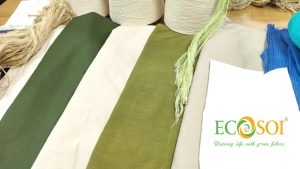
Businesses should check fabric weight, width, stretch and surface. They should also test how the fabric performs during cutting and sewing. These tests should use the actual design.
See the Ecosoi product catalogue to learn more.
How does Ecosoi work with businesses during supply?
A long-term supply partnership needs clear communication. Buyers need to know which needs a product can meet. Suppliers must also understand how buyers plan to use the material. Ecosoi can discuss the following points with businesses.
Defining material specs
First, both sides need to agree on the material type and its intended use. This helps them decide which specs to check.
For pineapple fiber, these may include fiber length, processing level and impurity content. For yarn, the key points are blend ratio and yarn count. For fabric, both sides should define weight, width and structure. However, not all buyers need the same checks. The criteria should match each product and its production process.
Agreeing on quality checks
General descriptions alone cannot show whether a material meets the buyer’s needs. Businesses need clear checks when goods arrive.
For example, both sides can agree on blend ratio, specs and acceptable limits. With natural materials, they should also define the expected range of variation.
This point matters when businesses work with pineapple fiber. Raw material conditions and processing methods may affect fiber color and features.
Therefore, both sides should agree on how to check quality before an order starts. This helps avoid different views when they assess the goods.
Discussing order sizes and supply plans
Material needs often follow a business’s production plan. A trial order may differ from a regular production order. For this reason, buyers should share the expected quantity and the date they need the goods. If they plan to order again, they should also share how often they may place orders.
With these details, Ecosoi can discuss supply options for each order. However, both sides must confirm the minimum order quantity, preparation time and delivery terms for each case. A suitable supplier needs more than a range of products. Clear details about supply capacity and order terms matter too.
How can businesses assess supply consistency?
This is an important question when choosing a long-term supplier. Natural materials may vary from one batch to another. The raw material source, the season and the processing steps can all affect product features. So, businesses should ask more than whether a supplier has enough stock. They should also ask how the supplier checks quality and keeps agreed specs.
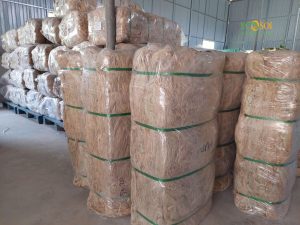
Here are some key points to discuss:
- Raw material source: Where does the material come from? Can the supply meet the production plan?
- Processing: Does the supplier check and record each step?
- Quality checks: Which specs will both sides use to assess each batch?
- Supply capacity: Do the available quantity and preparation time fit the production plan?
- Issue handling: What will both sides do if the goods do not meet the agreed specs?
Not every supplier can meet every need. Open talks about supply limits are important. For Ecosoi, both sides need to confirm the quantity, specs and supply time for each product and order. Businesses should discuss these points before adding the material to their production plan.
Material origin and records in the supply chain
Material origin is gaining attention in the textile industry. Export businesses, in particular, may need to share this information with brands and buyers. Pineapple leaf materials come from an agricultural by-product. This tells buyers about the raw material source. However, it does not prove that the finished product has a lower impact on the environment. Businesses should tell the difference between three areas:
- Origin information: Where does the raw material come from? How do people collect it?
- Traceability records: Which steps in the supply chain can buyers track?
- Certifications: Which standards has an authorized body checked for the product or process?
These three areas serve different purposes. Therefore, businesses should not present origin information as a green certificate. For businesses with ESG needs, documents should match the target market and buyer’s standards. Buyers should define these needs from the start. This gives the supplier a chance to check what information it can provide.
Ecosoi aims to develop materials from pineapple leaves and build links across the supply chain. For each project, buyers can discuss the technical documents and origin details they need.
Developing pineapple materials takes teamwork
Pineapple leaf fiber has potential uses in the textile industry. However, businesses need to address several technical issues before using it in production.
The fiber extraction method, processing steps and raw material quality all need review. Spinning performance also needs testing. In addition, businesses must check how the material performs in large-scale production.
No single business can handle every part of this process alone. Fiber suppliers need to understand what spinning mills require. Weaving mills must test how the yarn works. Fashion brands need to check the material in real products.
Ecosoi aims to build supply partnerships around business needs
An order can mark the start of a business partnership. However, long-term cooperation depends on quality, clear information and good teamwork.
Ecosoi offers pineapple fiber, pineapple yarn and pineapple fiber fabric for different stages of production. Businesses can explore the materials that suit their current process. Both sides can also discuss specs and future order plans.
Ecosoi welcomes enquiries from businesses looking for pineapple fiber, yarn and fabric. Contact Ecosoi to share your production needs. Both sides can then discuss suitable specs and supply options.
Explore Ecosoi’s products and services: