 VIETNAMESE
WHAT SHOULD BUSINESS KNOW ABOUT BULK PINEAPPLE FIBER STORAGE?
Pineapple fiber is a natural material from post-harvest pineapple leaves. When buying it in bulk, businesses also need to plan how to store it.
A batch may meet quality standards when it arrives. However, problems can still occur during storage. Water, high moisture and dirt can affect the material. Therefore, bulk pineapple fiber storage plays an important role in raw material quality control. Businesses need to check each batch from delivery to production.
So, what should they look out for? How can they spot early signs of damage? This article covers the key points.
Nội dung chính:
Why is proper pineapple fiber storage important?
Pineapple fiber comes from plants. Therefore, its condition can change with the storage environment. Long exposure to water or damp air may increase the risk of mold. The fiber may also develop strange smells or changes on its surface.
In addition, dust and dirt can stick to the material. As a result, businesses may need to clean and check the fiber before production.
These problems affect more than the look of the fiber. They may also affect later processing steps. For example, cleanliness, fiber length and evenness all matter. These features help determine if the fiber is suitable for spinning.
However, good storage cannot fix a batch that already fails quality checks. Its main goal is to keep the material in good condition. It also helps limit changes while the fiber stays in the warehouse.
Key factors for bulk pineapple fiber storage
Control moisture and keep water away
Moisture control is a top priority when storing pineapple fiber. Businesses should keep the material indoors. The storage area should also stay dry and safe from rain.
First, check the warehouse roof and walls for leaks. Fix any signs of water damage as soon as possible. Also, keep the floor free from standing water. Do not place fiber bales directly on the floor. Instead, use suitable pallets or raised platforms. This helps keep the material away from floor moisture.
If a package gets wet, move it to a separate area for inspection. Do not place it with other stock right away. Also, do not seal wet fiber before checking its condition inside.
Keep the warehouse clean and airy
Businesses should clean the storage area on a regular basis. Dust, soil and oil can make the fiber dirty. Therefore, keep raw materials away from possible sources of dirt. These include factory dust, chemicals and other materials that may leave marks or stains on the fiber. Keep warehouse aisles clear as well. This makes it easier to check and move the goods. Good airflow also helps prevent stale air.
However, opening warehouse doors all day is not always a good idea. On rainy days or when outdoor air feels damp, check the weather first. Otherwise, outside air may bring more moisture into the storage area.
Sort and label each batch
When buying pineapple fiber in bulk, businesses should not sort stock by product name alone. They should also check the fiber type, grade and batch code. Record the date of receipt as well. If the supplier shares details about the source, keep them with the batch records.
Clear labels matter even more when a business handles several fiber grades. For example, Ecosoi offers Q1, Q2 and Q3 grades. Each grade has its own features and uses.
Do not mix these grades if they serve different needs. Clear labels help prevent mistakes when staff move or use the stock. In addition, businesses can check each batch against the agreed product details. This also makes quality checks easier.
Arrange stock and control stack height
Arrange the goods so staff can check them with ease. Keep aisles and loading areas clear. Also, do not stack bales in a way that blocks access to key areas.
Keep the goods away from places where water may leak or collect.
The right stack height depends on the package and bale weight. Therefore, businesses should follow the supplier’s advice. Do not use the same stack height for every type of fiber.
Torn or damaged packages may let dirt or water reach the material. For this reason, check both the packages and the way staff arrange them.
How to manage pineapple fiber from delivery to dispatch
Businesses should turn storage rules into a clear work process. The following four steps can help.
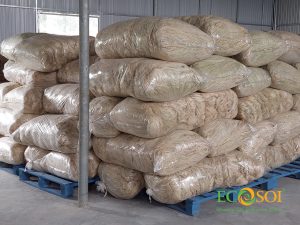
Step 1: Check the goods upon delivery
First, check the quantity and product codes. Make sure the delivery papers match the goods.
Next, look at the packages. Check for tears, holes, water damage or dirt. If you find any problems, take photos as proof. Then, write an inspection report before moving the goods into storage. Businesses should also test fiber samples against the agreed quality standards. These checks may include:
- Fiber color and length.
- Cleanliness and evenness.
- Moisture levels and unusual smells.
- Technical details agreed by both sides.
Do not judge fiber quality by looking only at the outside of the packages.
Step 2: Set up the storage area
After the first check, sort the goods by product code and batch number. Give each storage area a clear label. Keep a record of the following details:
- Date of receipt.
- Quantity received.
- Fiber type and grade.
- Key technical details.
If one batch has many bales, label each bale or group of bales. This helps staff count stock more accurately. Also, keep all packages off the floor. Do not place fiber bales right against damp walls. Keep the storage area clean and allow enough airflow. These simple steps help lower storage risks.
Step 3: Check the goods during storage
Businesses should not check the fiber only when it first arrives. They also need to check the packages and warehouse on a regular basis. Look out for these warning signs:
- Torn, damaged or wet packages.
- Strange smells or signs of mold.
- Dust or dirt near the storage area.
- Standing water, damp walls or roof leaks.
The right check schedule depends on the warehouse. Businesses should also consider how long they store the fiber and how much risk the area may pose. If you find any problems, move the affected batch away from other stock. Never mix fiber with signs of damage into other batches.
Next, find out what caused the problem. Choose the right action based on the actual condition of the material.
Step 4: Check the fiber before production
Before taking fiber out of storage, match its batch code with the order details. Businesses should also check the material again. This step matters even more for batches that have stayed in storage for a long time. Also, check again if a batch showed any signs of damage in the past. The checks may cover:
- Cleanliness and color.
- Smell and moisture.
- Agreed technical details.
For spinning mills, the fiber must also meet the needs of the planned process. Do not assume that a batch that passed the first check will suit every stage of production.
How long can pineapple fiber stay in storage?
This is an important question for businesses that keep raw materials in stock. Storage time also affects production plans. However, there is no fixed storage period for every type of pineapple fiber. The right storage time depends on several factors:
- The fiber’s condition when it arrives.
- The type and condition of its packaging.
- The actual heat and moisture levels in the warehouse.
- How staff arrange and check the stock.
- The time and conditions during transport.
Therefore, businesses should check each batch on its own. They should also ask suppliers for storage advice. This is especially important when they plan to keep stock for a long time.
What should businesses ask suppliers before buying pineapple fiber in bulk?
Good storage starts with the right materials. Businesses also need clear details to manage each batch. Before placing a bulk order, discuss the following points with the supplier.
Fiber type and grade
Are you buying raw pineapple fiber, fluffed pineapple fiber, or Q1, Q2 and Q3 grades? Which technical details apply to each type? Both sides should agree on clear quality checks. This helps avoid confusion about product quality.
Packaging details
Ask how much each bale weighs. Also, check the packaging materials and batch label system. This helps factories prepare the right space for incoming goods. In addition, it makes stock checks and storage easier.
Quality records and technical details
Ask which technical documents the supplier will provide. If test results are available, check which features they cover and how the supplier tests them. Do not rely only on general product descriptions. Instead, agree on quality checks that match your intended use.
Transport and storage conditions
Ask how the supplier will protect the goods from rain and water during transport. You should also ask how to store each type of fiber. If you plan to keep the materials in stock for a long time, tell the supplier in advance. This allows both sides to discuss the key points that need attention.
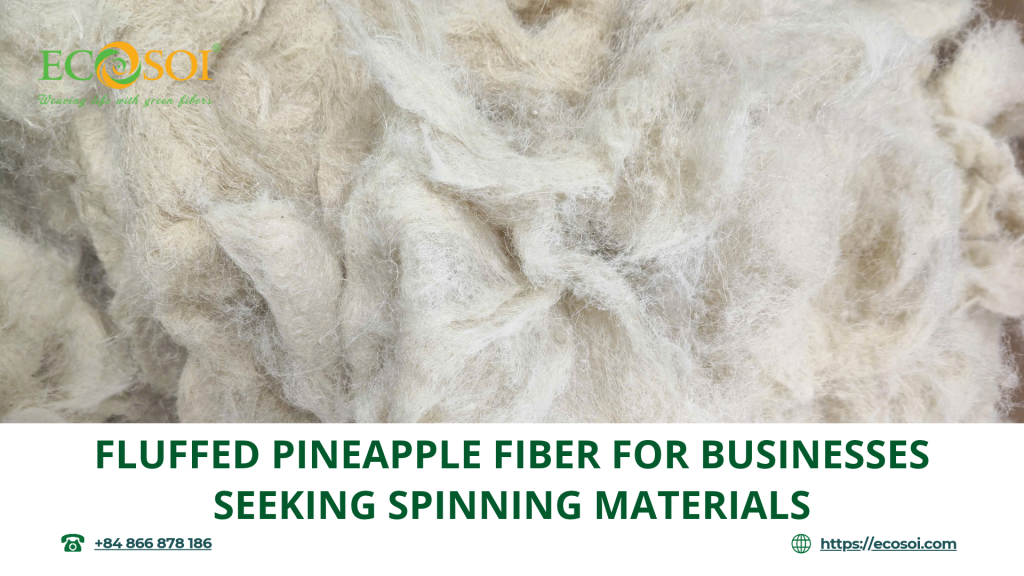
At Ecosoi, customers can explore different types of raw and fluffed pineapple fiber for their production needs. For bulk orders, both sides should discuss the fiber type, technical details, order quantity and packaging. This helps set clear expectations before the order moves forward.
Conclusion
Bulk pineapple fiber storage means more than keeping the material dry. Businesses need to check each batch from delivery to production.
Clear batch labels help prevent mix-ups. Regular checks help staff spot problems early. In addition, batch records make it easier to trace materials and check quality. With a clear storage process, businesses can manage their raw material stock with greater care. This also helps reduce risks during production.
Explore Ecosoi’s pineapple fiber products or contact our team to discuss fiber types, technical needs and bulk supply options.