 VIETNAMESE
Explore the natural antibacterial power of pineapple fiber
As consumers increasingly seek products that are both health-safe and environmentally friendly, natural fibers like pineapple fiber are becoming a top choice in the textile industry. Known for its durability, rustic aesthetic, and biodegradability, pineapple fiber also offers an outstanding yet lesser-known benefit: natural antibacterial properties.
This unique trait makes pineapple fiber fabrics an ideal solution for items that come into direct contact with the human body. Let’s explore its natural antibacterial power with Ecosoi in the article below.
Nội dung chính:
Pineapple fiber – not just sustainable, but also naturally antibacterial
In today’s eco-conscious world, consumers prioritize health, sustainability, and low environmental impact when choosing textiles. One standout material in the green fashion and home trend is pineapple fiber—a natural fiber extracted from pineapple leaves.
In addition to being highly durable, biodegradable, and visually appealing, pineapple fiber has innate antibacterial capabilities, offering exceptional value in practical applications across fashion, healthcare, wellness, and home decor.
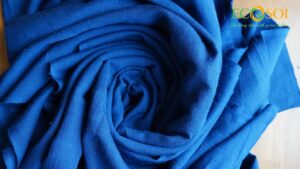
How does pineapple fiber naturally resist bacteria?
The antibacterial effect of pineapple fiber comes from both its chemical composition and physical structure, which work together to prevent bacterial growth.
Plant-based chemical composition
During the extraction and processing of pineapple fiber, several natural plant compounds are retained:
- Polyphenols and Flavonoids: Powerful antioxidants commonly found in tropical plants that can kill or inhibit harmful bacteria.
- Lignin: A complex compound in plant cell walls that acts as a natural barrier against microbial invasion.
- Tannins: Present in some pineapple varieties, tannins help tighten fiber surfaces, reducing bacterial adhesion.
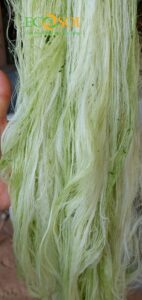
Unique physical structure
Pineapple fiber features a hollow, porous, and breathable structure, which helps:
- Speed up moisture and sweat evaporation
- Prevent the warm, damp environment bacteria thrive in
- Reduce odor buildup and keep fabric surfaces cleaner for longer
By combining these properties, pineapple fabrics can naturally resist bacteria without requiring chemical antibacterial treatments, which may irritate skin or harm the environment.

Real-world applications of antibacterial pineapple fiber
Thanks to its antibacterial nature, pineapple fiber is increasingly used across various industries:
Everyday fashion
Clothing made from pineapple fabric helps reduce body odor, limit skin irritation, and wick away moisture — ideal for humid climates like Vietnam’s.
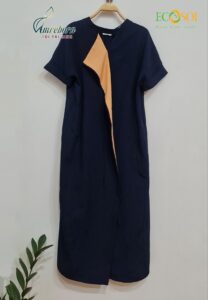
Products for babies and sensitive skin
Free from harsh chemicals and naturally antibacterial, pineapple fiber is a safe alternative to conventional cotton for sensitive users.
Biomedical and hygiene products
With its bacteria-fighting properties, pineapple fiber holds potential for use in masks, medical gauze, and antibacterial wipes—without the need for synthetic additives.
Eco-friendly interior textiles
Pillows, curtains, and blankets made from pineapple fiber can help maintain a cleaner living space by reducing mold and bacterial buildup.
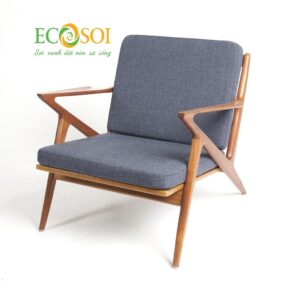

Explore more at: HERE
Dual benefit: antibacterial and eco-conscious
Pineapple fiber exemplifies the “2-in-1” trend—materials that are both health-safe and sustainably produced:
- No need for chemical antibacterial agents
- No toxic emissions during use
- Fully biodegradable at end-of-life
- Reduced washing frequency thanks to odor resistance → saves water and energy
Development potential in Vietnam
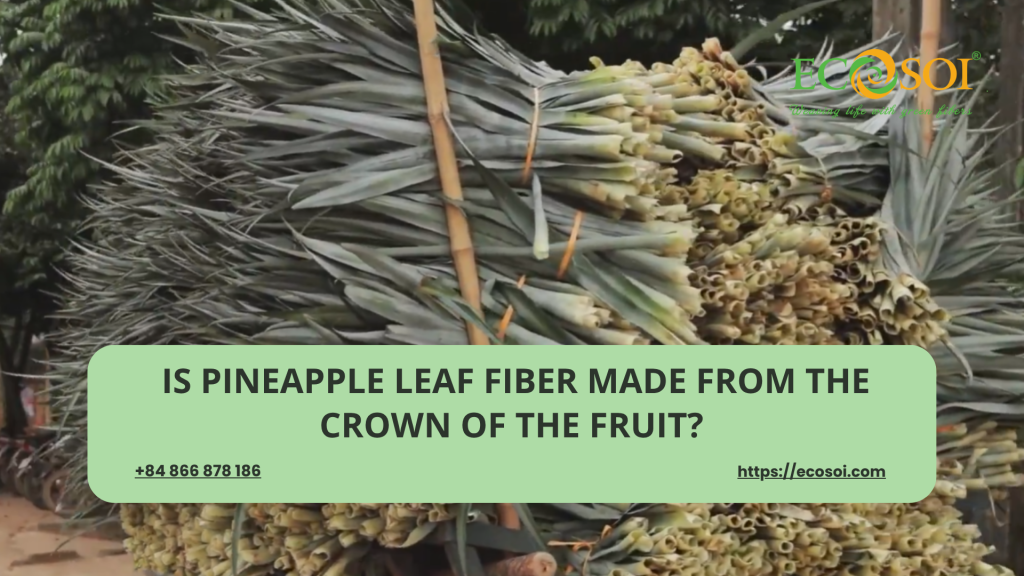
Vietnam’s tropical climate is ideal for large-scale pineapple cultivation. Until recently, pineapple leaves—a byproduct—were often discarded. Utilizing these leaves for fiber:
- Boosts agricultural value for farmers
- Reduces crop waste
- Provides a stable raw material source for Vietnam’s sustainable textile industry
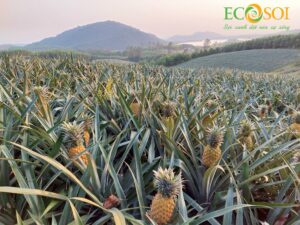
Leading domestic enterprises like Ecosoi are pioneering pineapple fiber processing technology, optimizing extraction and weaving methods to retain natural benefits while meeting market demands for durability, aesthetics, and wide applicability.
Conclusion
Pineapple fiber’s natural antibacterial property is one of its most valuable advantages, making it a reliable alternative to synthetic or chemically treated fibers. Its widespread application in consumer products not only enhances quality of life but also promotes the growth of a greener, safer textile ecosystem.