 VIETNAMESE
7 COMMON MISTAKES WHEN BUYING NATURAL FIBERS FOR THE FIRST TIME
As people pay more attention to health and the environment, natural fibers have become a growing trend. However, for first-time buyers, choosing natural fabrics is not as simple as it seems. Here are the 7 most common mistakes — and how to avoid them.
Nội dung chính:
Not knowing the difference between natural and synthetic fibers
This is the most common mistake. Many buyers assume all fabrics are the same. As a result, they end up choosing materials that fail to meet their expectations.
Natural fibers come from plants and animals, such as cotton, linen, silk, or wool. Synthetic fibers, on the other hand, are produced through industrial and chemical processes using petroleum or other compounds.
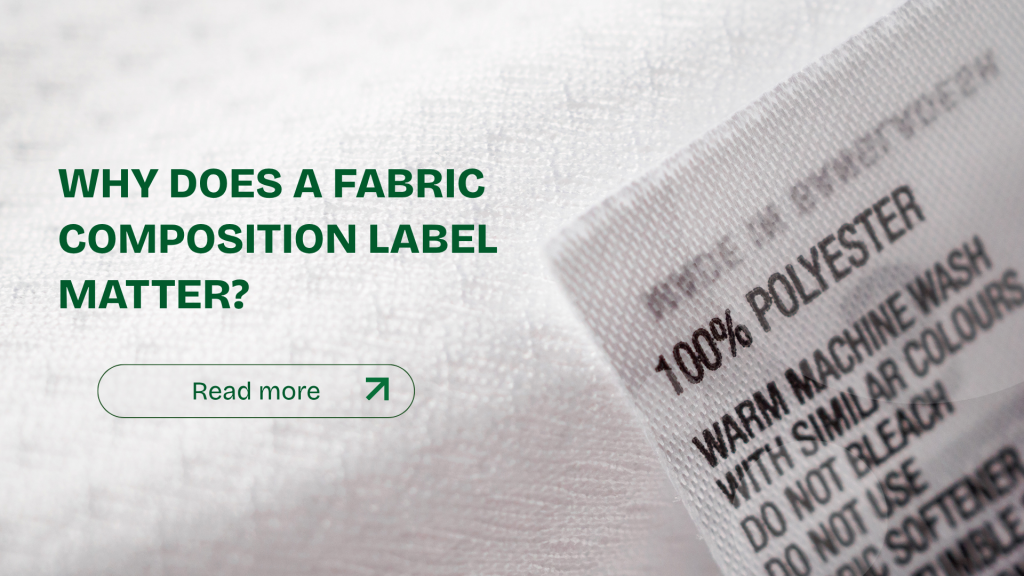
How to identify: Always check the product label. Pay attention to the exact fiber composition, especially with blended fabrics.
Focusing only on price and ignoring quality
This mistake often leads to wasted money. Many people pick cheap fabrics with unclear origins. These products may wear out quickly, fade, or even irritate the skin. Moreover, High-quality natural fibers require stricter and more complex production processes. This explains why the price is often higher. But a good investment upfront helps you save on replacement and maintenance costs later.
Tip: Balance price and quality. Choose reputable brands with transparent sourcing. High-quality materials may cost more, but they last longer and are safer for your skin.
Not researching the characteristics of each fiber type
Each natural fiber has unique properties suitable for specific uses. Without knowing these details, it’s easy to pick the wrong fabric. For example, cotton offers great breathability and softness but wrinkles easily and may shrink. Linen is light and airy for summer, yet also prone to creasing. Silk feels luxurious and smooth but requires careful care and comes at a higher price.
Tip: Research the strengths, weaknesses, care instructions, and best applications of each fiber. For elegant outfits, silk is ideal. For warmth, wool is the better choice.
Choosing fabric without considering its intended use
Not all natural fabrics suit every purpose. A common mistake is choosing natural fibers simply because they feel “eco-friendly,” without knowing if they match the garment style.
For example, cotton and linen work well for summer wear because they are breathable. But they may not perform well in sportswear or stretchy outfits. Using thin fabrics for winter clothing will also reduce warmth and durability.
Tip: Identify your purpose first — daily wear, office clothing, summer, winter, or home textiles — then select the right fiber.
Ignoring proper care instructions
Natural fibers can wear out quickly without proper care. Each fabric requires different washing and handling. Ignoring these instructions may cause shrinking, wrinkling, fading, or mold — and your clothes may no longer fit as intended.
Cotton should not be washed in hot water above 40°C. Silk must be kept away from direct sunlight. Wool needs gentle washing to prevent shrinking. Linen also shrinks easily under hot water or strong drying.
Care guidelines:
- Read the care label carefully
- Use cold or warm water
- Separate colors before washing
- Avoid strong detergents
- Dry in a shaded, ventilated place
- Store in a dry area to prevent mold
Falling for “greenwashing” marketing terms
As natural fabrics become popular, many brands use terms like “natural fibers,” “eco-friendly,” or “sustainable” mainly for marketing. Some fabrics may still contain synthetic blends or be heavily treated with chemicals.
Without checking composition, origin, or certifications (organic standards, chemical management, etc.), you may end up buying products that are not truly natural.
This affects not only quality and durability but also the sustainability you are aiming for.
Tip: Ask for clear information: fiber labels, certifications, origin, dyeing process, and treatment — especially when purchasing in bulk.
Buying from unreliable sources
This is a serious mistake that many first-time buyers make. Purchasing from unverified sellers increases the risk of receiving counterfeit, low-quality, or mislabeled fabrics.
The market is full of products with incorrect tags or unclear composition. Poor-quality fabrics may harm your health, especially if you have sensitive skin.
Buying checklist:
- Choose reputable, long-established stores or brands
- Check certifications and origin documents
- Read reviews from real customers
- Be cautious with prices that seem “too cheap”
- Request fabric samples before buying large quantities
- Keep receipts for returns if needed
Benefits of using natural fibers
When you avoid these mistakes and choose high-quality natural fibers, you gain lasting benefits:
Safe for your health
Natural fibers are gentle on the skin and suitable for sensitive users, including children. Many also have natural antibacterial properties.
Environmentally friendly
Natural fibers biodegrade much faster than synthetics. They also require less pollution-intensive processes.
Comfortable to wear
They absorb moisture well, stay breathable, and regulate temperature, keeping you comfortable in various climates.
Long-lasting durability
With proper care, natural fibers remain strong over time. Some, like cotton and linen, even become softer and more durable after multiple washes.
Conclusion
Buying natural fibers for the first time can feel overwhelming due to the wide range of choices. But by avoiding these 7 common mistakes, you can choose fabrics that truly meet your needs.
Investing in high-quality natural fibers supports both your health and the environment. Taking the time to research, compare, and buy from trusted sources will give you great experiences with natural-fiber products.
Wishing you a great shopping experience — and the perfect natural fabrics for your needs!