 VIETNAMESE
WHY DOES THE HANDFEEL OF PINEAPPLE FABRIC VARY?
In the textile industry, the term handfeel describes collective tactile responses. This refers to the sensation when we touch a fabric surface. These sensory indicators include several specific factors. For instance, they measure softness, roughness, dryness, drape, and elasticity.
Therefore, studying the factors affecting the handfeel of pineapple fabric is highly important. This knowledge holds great meaning for the entire value chain. For the B2C segment, handfeel directly decides the user wearing experience. On the other hand, for B2B partners, this is a key technical specification. It helps determine the exact design application of the material.
In production, pineapple fabric is a general name for structures woven from pineapple fiber. However, this material does not possess completely uniform characteristics. The handfeel can shift noticeably from tiny changes. These variations occur in raw fiber sources, cleaning levels, or finishing technologies. Therefore, evaluating tactile sensations must connect with technical processing. We cannot view this trait in isolation.
Nội dung chính:
Three technical factors that decide pineapple fabric handfeel
Input pineapple fiber quality and cleanliness index
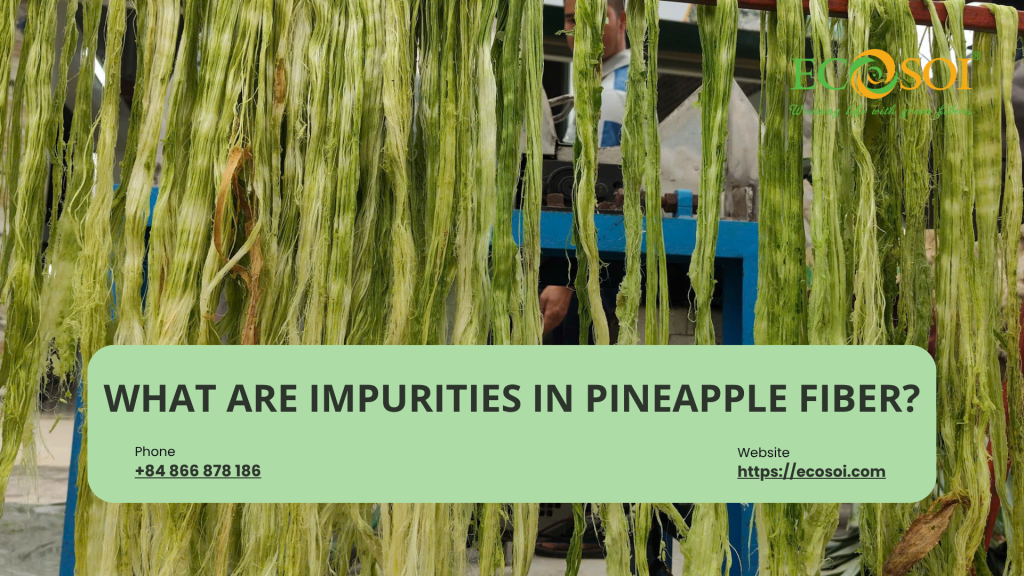
Natural pineapple fibers contain a relatively high amount of lignin, pectin, and plant waxes. During raw processing, workers must extract these organic impurities deeply. Otherwise, the fiber surface will become rough. Then, single fibers can rarely bond evenly inside spinning machines. As a result, the finished fabric becomes stiff and dry to the touch.
In contrast, clean fibers ensure stable bonding. This factor helps the fabric surface become smoother and more uniform. In addition, fiber length and fineness impact touch heavily. Standard raw fibers with fewer breaks create a more continuous structure. Fortunately, this trait minimizes protruding fiber ends. Thus, the woven structure reduces roughness and increases natural drape. The fabric will significantly improve its softness when contacting the skin.
Spinning technology and woven yarn structure
After fiber extraction, spinning technology acts as a vital intermediate step. This process decides the geometric structure of the woven yarn. Coarse spinning or poor tension control will create uneven yarn. The yarn diameter then varies along its body. Unfortunately, this technical error causes local rough spots on the finished fabric surface.
Conversely, high technology helps distribute tensile force evenly. This process creates round pineapple yarn and a stable structure. To apply this material in luxury fashion, manufacturers often blend it. They combine natural fibers with organic cotton or silk to optimize touch sensations.

Fabric structure and surface finishing process
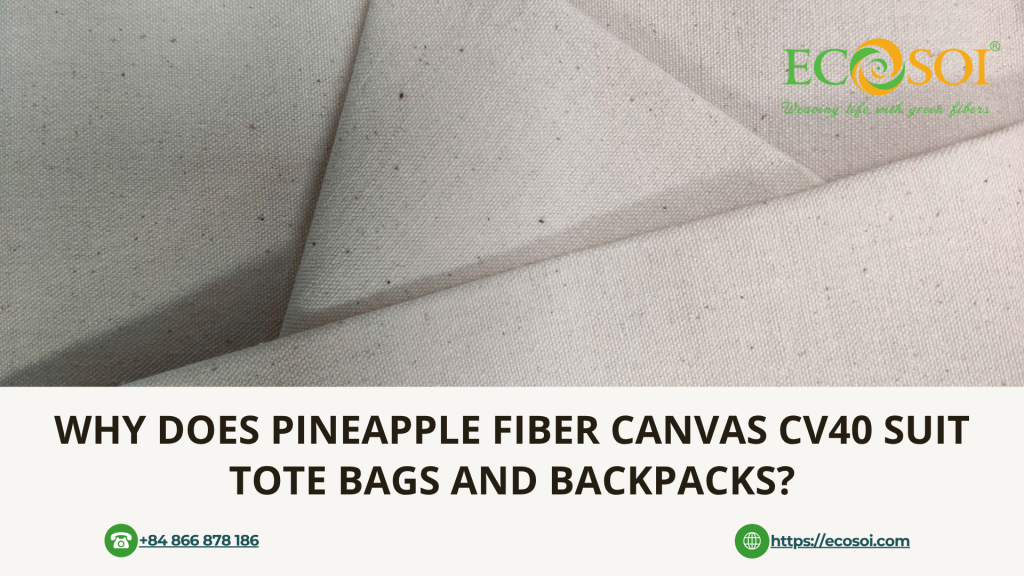
Different weaving methods create distinct touch experiences even when using the same yarn type. For example, tight woven techniques produce a firm fabric surface that holds its shape well. However, this structure tends to feel stiffer and drier. On the other hand, loose woven or knitting methods create a structure with open spaces. The fabric then becomes soft, breathable, and friendly to the skin.
Many evaluations show that the post-weaving finishing stage changes the handfeel powerfully. Overusing harsh dyeing chemicals will damage the natural cellulose membrane. This issue makes pineapple fabric brittle and rough. Therefore, mechanical softening techniques must reach a clear balance. The process should follow standards from groups like Textile Exchange to optimize touch and protect the environment.
Evaluation standards and handfeel applications in the value chain
Differences in evaluation standards between B2B and B2C groups
The usage context helps decide how people evaluate handfeel. Business clients (B2B) rely on sewing machine performance and batch stability. They also care deeply about industrial standardization.
In contrast, end consumers (B2C) focus on comfort when touching and wearing items. They need a soft feel against the skin during body movements. Therefore, a fabric sample with high B2B technical durability scores still needs extra processing. Mechanical softening steps will help convince fashion B2C customers.
Applying tactile sensations in finished product segment positioning
The handfeel index is a visual tool that helps brands shape their product segments. For instance:
- Pineapple fabric with a rough, firm handfeel: This option fits eco-interior designs like sofa covers or curtains. It also works well for accessories like handbags and footwear.
- Pineapple fabric with a soft, smooth handfeel: This type suits apparel lines or premium lifestyle garments.
Controlling this characteristic actively helps businesses design accurately according to targets. Furthermore, brands can communicate correct expectations to their customers easily.
Ecosoi and the raw material tactile control solution
Handfeel differences among pineapple fabrics do not come from random chance. Instead, they result from a synchronous control strategy. As a provider of sustainable textile materials, Ecosoi approaches the problem from the root of the fiber structure. We do not use short-term industrial softeners that harm the environment.
Instead, Ecosoi optimizes mechanical fiber extraction technology. We strictly control the cleanliness of the original fiber. This method preserves the natural, tough biological traits of the material. From there, the factory creates a stable yarn foundation for manufacturing. The pineapple yarn easily meets the diverse standards of both B2B and B2C partners.
Explore more: Pineapple Fabric – ECOSOI – Weaving life with green fibers
Conclusion
In summary, variations in the handfeel of pineapple fabric come from aligned technical decisions. This process chain stretches from fiber selection to surface finishing. Handfeel does not just reflect material nature. Moreover, it reflects the entire value chain behind the product. In the sustainable textile trend, mastering tactile parameters is vital. This helps businesses create eco-friendly products. Simultaneously, the products still satisfy aesthetic standards and user experiences.
Is your business looking for pineapple fabric with precise tactile specifications? Do you need sustainable textile materials for a new fashion or interior collection?
Please contact us today. Ecosoi is ready to advise, analyze test samples, and supply industry-standard pineapple fiber solutions.