 VIETNAMESE
WHY ECOSOI RECOMMENDS TESTING PINEAPPLE FABRIC BEFORE COMMERCIALIZATION?
In the growing market for sustainable materials, pineapple fabric shines as a promising ecological choice. However, not every green option is ready for immediate mass production.
Truly, the process of testing pineapple fabric before commercialization is highly essential. This step does not slow down your project timeline. Instead, it serves as a core strategy to reduce business risks. At the same time, it helps optimize long-term value for the end consumer. Therefore, this article explains why a trial stage remains crucial. We will analyze this topic deeply from technical, market, and practical experience views.
Nội dung chính:
Green materials cannot rely on simple emotions
In the modern textile industry, brands often launch new materials based on media stories alone. However, physical material structures form the real sustainable base of a textile product, not marketing messages.
If a business intentionally skips the material trial stage, major problems will appear:
- Technical defect risks during manufacturing rise quickly.
- Everyday consumers experience unstable product performance.
- The actual lifecycle of the final textile product drops.
Therefore, testing is not an optional choice for natural materials. For instance, it is a mandatory requirement for every professional buyer.
Understanding the process of testing pineapple fabric before commercialization
The variable traits of pineapple fiber
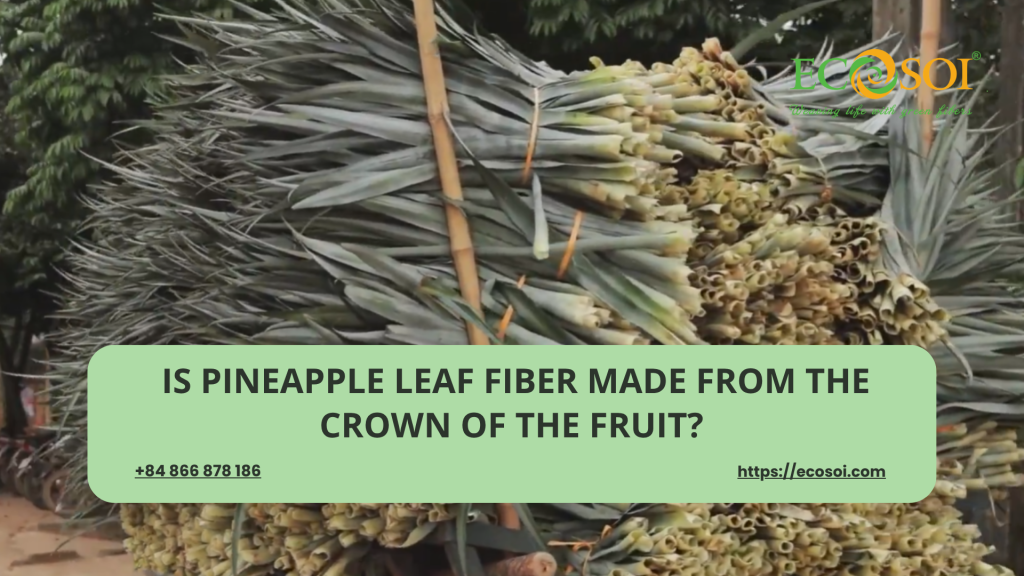
Workers take natural pineapple fiber directly from pineapple leaves. Since these leaves are agricultural waste, this model brings clear ecological benefits. However, raw materials from farming networks also mean that:
- Crop quality depends heavily on specific growing areas.
- Climate conditions and harvest seasons affect the physical structure.
- Synthetic options offer perfect yarn uniformity, but natural fibers vary.
Because of these factors, testing pineapple fabric before commercialization becomes highly important. For example, it evaluates the real-world performance of each raw biomass batch accurately.
No universal formula works for all pineapple textiles
Contrary to popular belief, pineapple fiber fabric does not exist in a single structure. Depending on the final use, manufacturers can modify the material:
- Operators blend it flexibly with cotton, viscose, or other natural yarns.
- Factories adjust blend ratios to balance durability and comfort.
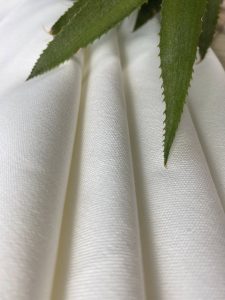
In addition, the trial stage helps discover the best setup for each specific application. Therefore, businesses can easily avoid using rigid, copy-paste formulas.
Technical view: testing to prevent real manufacturing defects
Critical indicators that factories must check
In practical operations, pineapple fabric must pass several strict tests. For example, technical indicators include:
- Tensile and tear strength of the woven or knitted structure.
- Dimensional stability of the fabric surface after multiple washings.
- Pilling rates and abrasion resistance under heavy friction.
- Fabric handfeel and real breathability levels.
If a factory skips these steps, the risk of mass defect products rises. Consequently, the finished garments will fail basic user requirements.
Testing aims to optimize materials, not eliminate them
Trully, the goal of a material trial is not to show that pineapple fiber is weak. Instead, this active phase helps the manufacturer:
- Adjust the woven yarn structures in a timely manner.
- Optimize the blending ratios between raw components.
- Use existing factory machines more effectively for processing.
Therefore, this phase perfects the material before it hits mass markets. It acts as a helpful solution rather than a commercial barrier.
Why do businesses need to test before placing large orders?
Trials reduce supply chain risks
For apparel brands and garment factories, commercializing new materials brings many challenges. If a company does not test pineapple fabric fully, it will face severe risks:
- Mass technical defects can easily ruin large orders.
- Modifying samples or recalling bad items costs a lot of money.
- Customer complaints can directly damage brand reputation on the market.
Conversely, choosing to run material trials gives your business total control. For instance, you can evaluate how well the fabric fits your current machinery. In addition, you can adjust designs and make buying decisions based on scientific data.
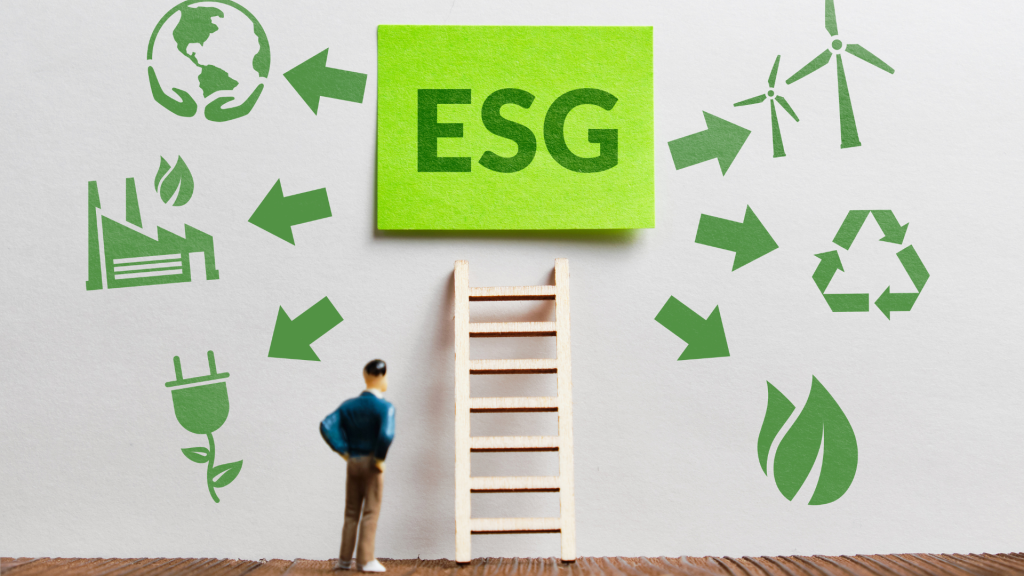
Supporting ESG strategies and green certificates
Today, international sustainability standards demand high consistency across the supply chain. Running fabric sample tests helps a business:
- Build clear and transparent technical data sheets.
- Prepare complete documentation for relevant green certificates.
- Prevent accidental greenwashing claims from strict audit groups.
Protecting the experience of the end user
Modern consumers refuse to trade away comfort
People do not buy raw materials alone anymore. Instead, the core of consumer behavior is buying a real experience. An eco-labeled fashion item creates problems if it:
- Loses its original shape after a few home washings.
- Requires a complex routine for daily washing and care.
- Feels rough or uncomfortable against sensitive skin.
Truly, these product weaknesses will quickly destroy consumer trust in a brand. Therefore, testing ensures that pineapple fabric is good for nature and fits daily life perfectly.
Testing shows true respect for consumers
Instead of rushing unfinished products to the market, a trial stage allows a firm to:
- Collect and study real feedback from a sample customer group.
- Adjust technical metrics to optimal levels before mass manufacturing.
- Cut down the risk of disappointing buyers after their purchase.
Consequently, this method forms a professional approach based on user experience.
Ecosoi and the test first, develop later philosophy
The Ecosoi brand always chooses a careful, long-term approach. Instead of focusing on fast sales, we commit to these steps:
- We recommend that B2B partners test samples thoroughly before placing large orders.
- Our technical team accompanies buyers throughout the fabric adjustment process.
- We consistently prioritize practical performance over simple eco-stories.
This methodical workflow helps pineapple yarn find a permanent place in daily life. Furthermore, it keeps the material from becoming a temporary fashion trend that fades quickly.
Explore more: Ecosoi pineapple fiber fabric collection
Trials do not slow down growth; they help businesses go further
Many firms worry that sample testing delays their collection launch timelines. However, in real operations, careful preparation brings immense benefits:
- It cuts down unexpected costs to fix systemic factory errors.
- Product launch success rates rise significantly.
- Strategic partners and everyday consumers develop deep trust in your brand.
In a transparent textile market, moving slowly but surely is the right path. Therefore, this is a strategic move for leading green brands.
Conclusion: testing is the foundation of sustainable materials
Ultimately, pineapple fabric is truly sustainable only when proven by daily use. Beautiful design ideas or green messages are never enough. Truly, testing pineapple fabric before commercialization builds real trust because it reflects:
- Deep respect for the natural traits of biological materials.
- Clear goals to reduce financial and operational risks for business partners.
- Strong responsibility to protect the complete experience of the end consumer.
When material quality matures, successful commercialization follows naturally. This is the definition of true sustainable development.
Discover green fiber solutions with Ecosoi
- Are you a textile enterprise looking for natural yarn with a solid technical foundation? Connect with us today!
- Are you a brand looking for standardized green materials? Please start with a sample trial phase.
Ecosoi stands ready to provide technical support and the best pineapple yarn samples for your project!