 VIETNAMESE
WHAT ARE MICROFIBERS IN TEXTILES AND WHERE DO THEY COME FROM?
Understanding microfibers in textiles requires clarifying a few common industry terms. When reading about eco-friendly fashion, you often see words like microfibers, microplastics, and synthetic yarns. These three ideas link together closely. However, they do not mean the exact same thing.
People often talk about tiny thread bits that shed from clothing items. Some of these tiny threads come from petroleum-based fabrics. As a result, they become a primary source of microplastics in our world.
So, what are these tiny fiber bits? Where do they come from? Why does the textile industry care so much about them?
Nội dung chính:
What are microfibers in textiles?
Simply put, microfibers are extremely tiny thread strands. However, different scientific reports use this term in slightly different ways.
For instance, Textile Exchange uses “micro fibers” for very fine synthetic strands. They treat this group as a clear form of microplastics. In contrast, researchers studying water pollution use the term more broadly. The European Environment Agency (EEA) uses the term for all tiny thread bits shed from woven items.
These tiny strands can shed from both synthetic and plant materials. Therefore, you should not assume every small thread bit is plastic. To know if a small strand is a microplastic, you must check its raw base material.
Where do microfibers come from?
Tiny thread bits can shed during many steps in a garment’s life.
First, physical friction during factory spinning can pull small strands off the cloth base. Next, simple friction when wearing clothes also sheds tiny bits.
In addition, washing clothes is a major cause of fiber shedding. Machine movement and water friction strip loose threads from fabric surfaces. These free threads then flow out with wastewater.
Finally, waste handling at a garment’s end of life releases small strands too. As old clothes break down, loose strands float into air, water, and soil. Therefore, shedding does not start only when you wash a shirt. It connects to every step in a garment’s lifecycle.
Are all microfibers considered microplastics?
Not in every case. This point causes the most confusion in textile discussions.
Microplastics are tiny pieces or bits of plastic materials. In clothing, tiny strands shed from polyester, nylon, or acrylic become microplastics.
In contrast, clothes made from natural leaf fibers or cotton also shed small bits. However, these natural strands should not be called microplastics. Small size alone does not turn a plant strand into synthetic plastic.
In short, “microfiber” describes the small size of a thread. “Microplastic” describes the synthetic plastic base of the material. Therefore, to name a tiny fiber correctly, you must look at its raw origin.
Why are synthetic microfibers a major concern?
Polyester, nylon, and acrylic are built from synthetic polymers. When friction rubs these fabrics, tiny plastic strands break free. Once they slip into lakes and oceans, they become part of the growing microplastic crisis.
According to the EEA, synthetic garment bits escape during making, wearing, washing, and dumping. These tiny plastic strands enter our water, air, and farm soils.
For this reason, garment makers work hard to cut synthetic fiber shedding. However, you should avoid simple answers like: “Replacing synthetic yarn with plant fiber solves every problem.” The real picture is far more complex.
Do natural fibers release microfibers as well?
Yes, they do. Cotton, wool, and natural leaf fibers can shed tiny thread bits too. This shedding happens during daily wear and home laundry.
However, this does not mean plant and plastic yarns harm nature in the same way. It simply shows one key truth: shedding small threads does not equal shedding plastic.
The raw base material remains the most critical factor. Furthermore, no fiber should be judged by a single trait alone. True ecological impacts depend on farming, making, wearing, and ultimate waste disposal.
Therefore, do not ask only: “Is this yarn natural?”. A better question is: “How was this yarn made, and how will it be used?”.
What factors determine the amount of microfiber shedding?
No single factor sets how many tiny threads shed from a cloth.
Fibers play a key role, but fabric construction matters just as much. Weave density, yarn twist, and physical use guide how easily strands pull free.
For instance, washing a shirt repeatedly creates changing conditions. Water heat, wash cycle time, and machine spin force alter how fabric wears down. Therefore, predicting exact shedding rates from a single factory spec sheet is very tough. This is why researchers keep studying thread shedding in textiles today.
Does a “green” fiber label guarantee lower environmental impact?
You cannot judge a fabric by its marketing label alone. Words like “natural”, “bio-based”, or “recycled” do not tell the full eco-story on their own. For example, a plant-based material may still require heavy chemical steps during processing.
In contrast, synthetic materials offer clear perks for specific uses. High strength and long wear life are good examples. The EEA stresses that choosing fibers must fit the planned use and expected product life. End-of-life disposal paths matter greatly too.
Therefore, no single fiber type outperforms all others in every scenario. This forms a vital rule in sustainable fashion: do not search for a perfect fiber. Instead, assess every material within its real context of use.
What should consumers look for when reading fabric details?
You do not need a degree in textile chemistry to shop wisely. Simply ask these basic questions:
- What fiber type is used? Check the exact material list rather than brand names alone.
- Which group does the fiber belong to? Identify if the yarn is natural, synthetic, or semi-synthetic.
- Is the fabric a blended mix? Many clothes combine cotton, polyester, and elastane in one weave.
- How long will the product last? Buying long-lasting clothes prevents frequent buying cycles.
- Where will the product go after use? Consider if the item can be fixed, donated, or recycled easily.
Asking these clear questions gives you a complete view of a garment. Instead of relying on broad tags like “green”, you can understand the real material you wear.
Key takeaways about microfibers in textiles
If you remember just four key facts, keep these points in mind:
- Microfibers in textiles are tiny thread strands, though exact definitions vary by study.
- Not all tiny threads are microplastics; microplastics come strictly from plastic materials like polyester and nylon.
- Both synthetic and natural fabrics shed tiny strands, but their material base behaves differently in nature.
- Never judge a fabric’s green value by its fiber name alone.
Raw sources, factory steps, wear time, and waste processing all shape true sustainability. This full view helps us avoid simple assumptions when discussing fashion and nature.
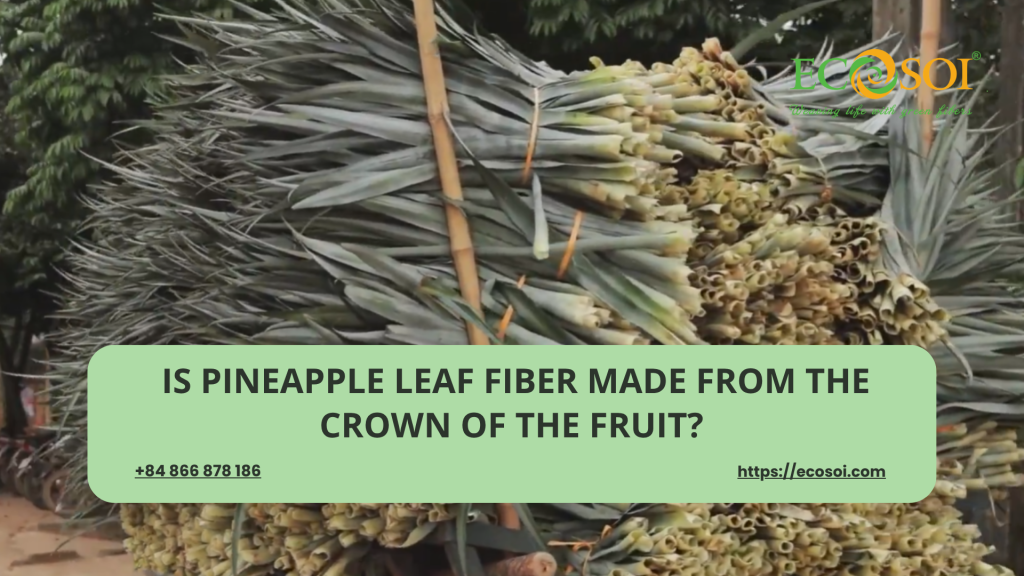
Explore sustainable natural materials: Discover how Ecosoi pineapple leaf fibers provide clean, plant-based textile solutions for modern, conscious fashion brands.