 VIETNAMESE
What is ESPR? The Impact of Ecodesign Regulation on Vietnam’s Fashion Supply Chain
The European Union (EU) is tightening its environmental rules. Specifically, the textile industry is one of the first sectors to face strict checks. Therefore, to keep exporting, businesses must understand what is ESPR and how to adapt.
Nội dung chính:
What is ESPR? Core Requirements of the Ecodesign Regulation
ESPR means the Ecodesign for Sustainable Products Regulation. The EU created this policy to drive its Circular Economy plan.
Ultimately, ESPR aims to reduce environmental harm during a product’s whole life. Furthermore, this rule goes beyond physical design. Instead, it closely watches everything from raw materials to final disposal.
Accordingly, ESPR sets these core rules:
-
First, products must last longer and be easy to fix or recycle.
-
Second, makers must use fewer non-renewable materials.
-
Third, factories must cut carbon emissions deeply.
-
Finally, brands must show clear data using a Digital Product Passport (DPP).
The Impact of ESPR on Vietnam’s Fashion Supply Chain
The EU sees textiles as a very polluting sector. As a result, lawmakers want to fix this industry first. Consequently, this change brings three major impacts to the sustainable fashion supply chain in Vietnam:
1. Strict Textile Traceability Rules First, exporters must clearly prove where their materials come from. In addition, you must share data on production methods and social standards. If you lack a clear textile traceability system, buyers might reject your goods.
2. Moving Away from Traditional Models Second, the basic Cut-Make-Trim (CMT) model cannot compete in the EU anymore. Indeed, the EU Ecodesign regulation forces companies to join the value chain deeply. Because of this, you must choose green materials and build long-term ties with good suppliers.
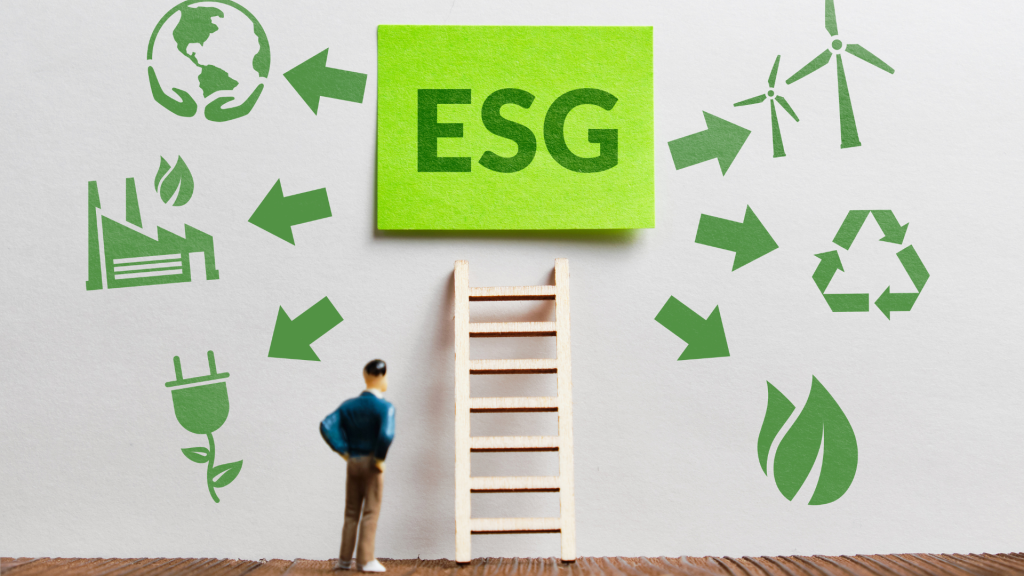
3. ESG is Your New Trade Passport Finally, European brands do not just argue about prices anymore. More importantly, they demand clear ESG in fashion (Environmental, Social, and Governance) reports. Therefore, tracking your carbon emissions and water use is now a must to win orders.
Digital Product Passport (DPP): ESPR’s Core Tool
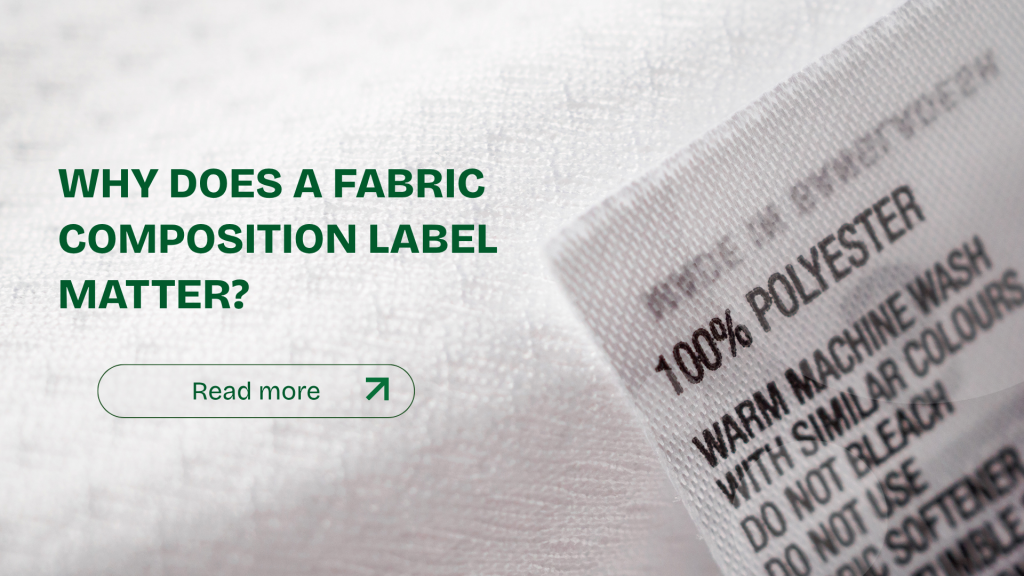
To ensure honesty, ESPR requires a Digital Product Passport (DPP). Basically, this is a digital file that holds all product data.
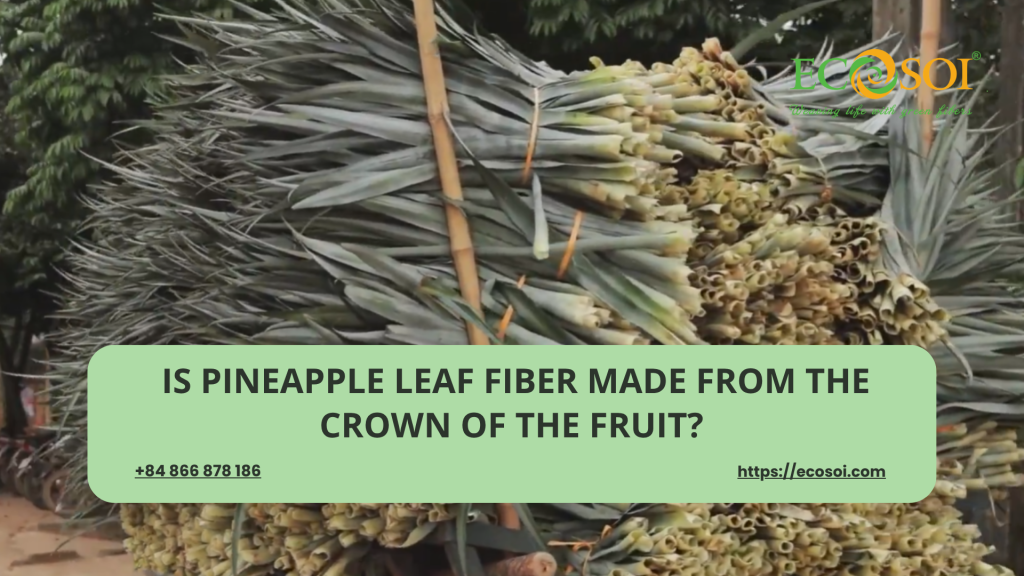
By scanning a QR code or RFID tag, buyers and officials can see everything instantly. For instance, they will see the fabric mix, chemical use, and material origins. They can even check if you used eco-friendly options like pineapple yarn. Also, you must clearly explain how to recycle the item.
In short, the DPP acts as an ID card for clothes. Without it, the EU will block your textile exports to Europe.
According to the EU plan, clothing is a top priority. Officials plan to start enforcing these rules in 2027. Thus, upgrading your digital data today is vital.
What Should Vietnamese Businesses Do Now?
ESPR is not a punishment. Rather, it is a new filter to improve the European market. To adapt well, your company should take these steps:
-
First, check your whole supply chain network.
-
Second, invest in clear digital data tools.
-
Lastly, partner with green material suppliers.
Overall, you can turn these legal hurdles into a long-term edge. Proper planning today secures your success tomorrow.