 VIETNAMESE
ECOSOI BRAND VALUES: WHAT SHOULD CUSTOMERS REMEMBER BEYOND PINEAPPLE FIBER?
When people hear the name Ecosoi, many think of pineapple leaf fiber. This material plays an important role in the company’s development. But can one type of fiber define an entire brand?
For Ecosoi, the story goes beyond the material itself. It also includes the use of agricultural by-products, links with local communities, and new materials for the textile industry. Ecosoi has three core values: cooperation, responsibility, and innovation.
These values should mean more than words in a brand message. They should guide the company’s products, daily work, and customer communication.
Nội dung chính:
Ecosoi brand values start with pineapple leaves
Turning agricultural by-products into new materials
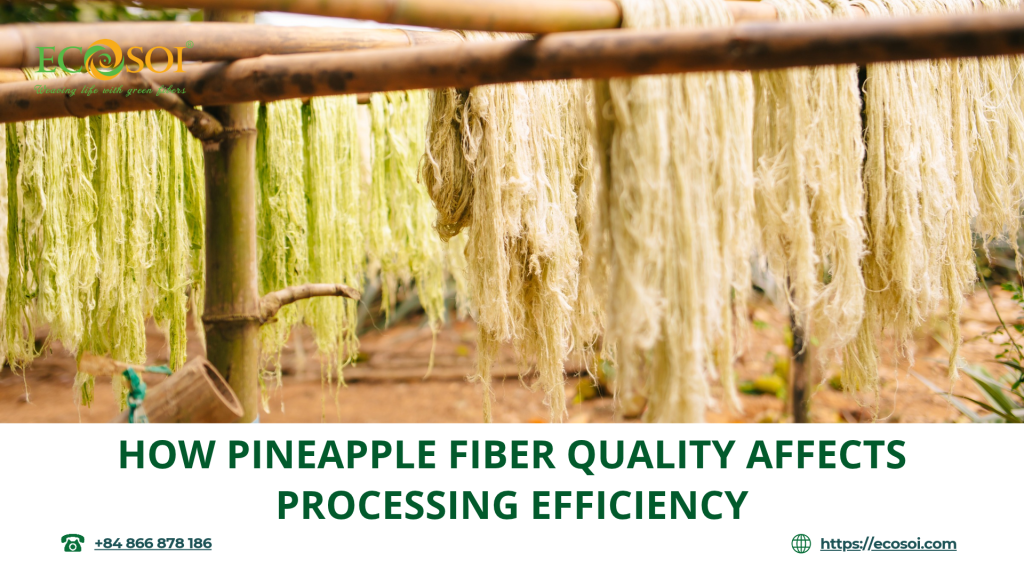
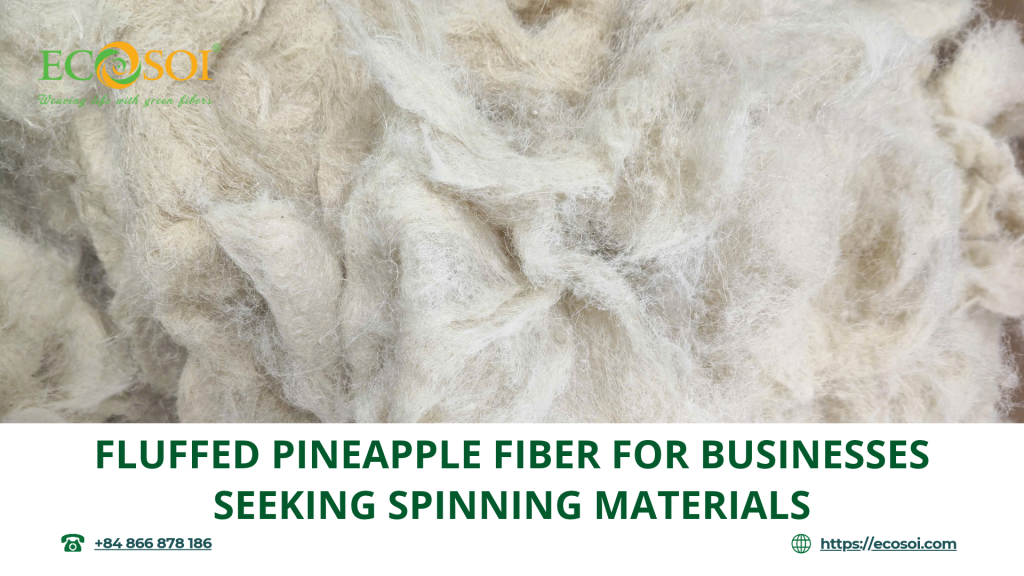
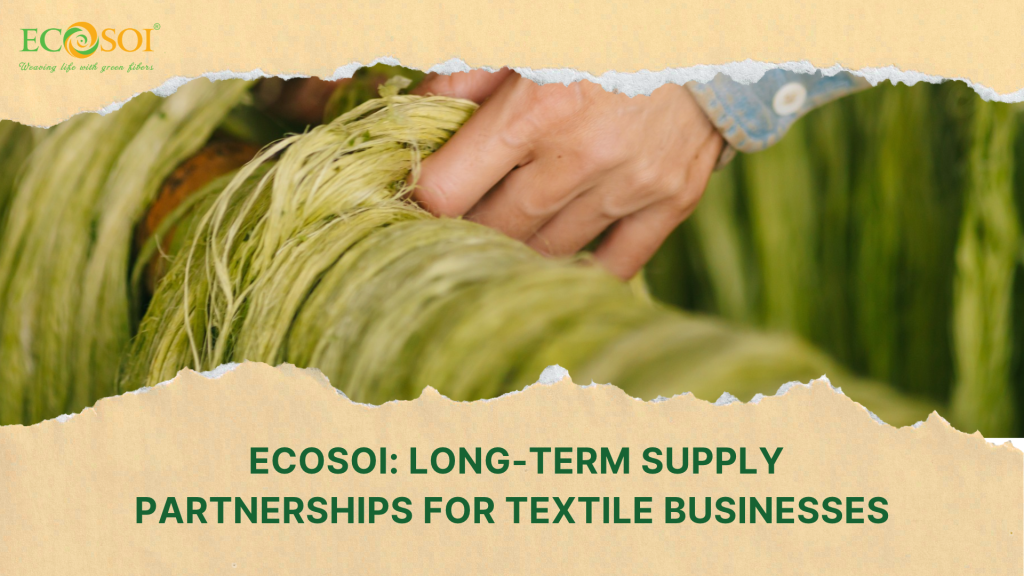
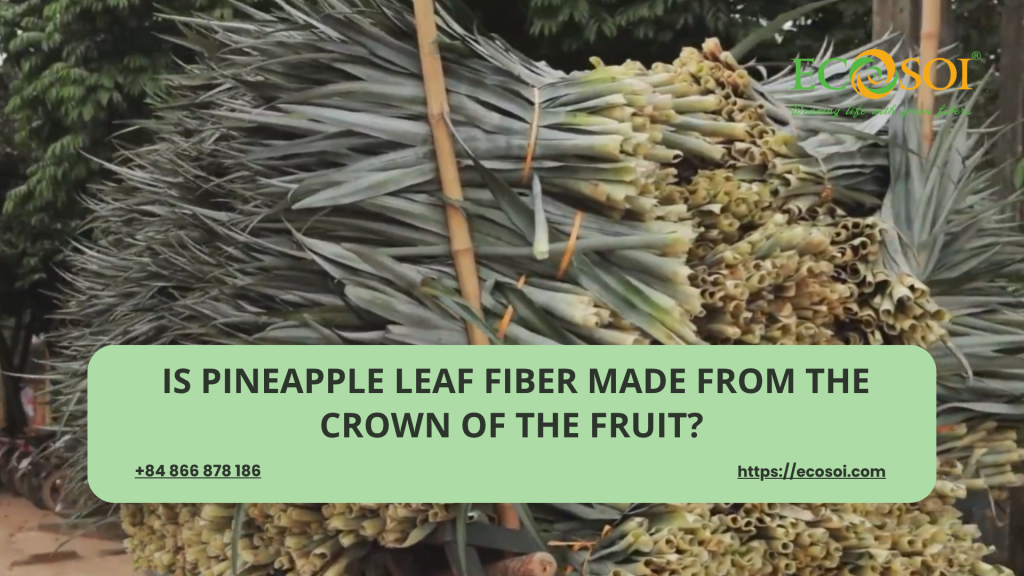
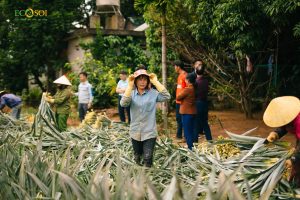
Farmers can still use pineapple leaves after they harvest the fruit. Ecosoi uses this resource to develop pineapple fiber, yarn, and fabric for the textile industry. This approach gives agricultural by-products another possible use. Instead of treating pineapple leaves as waste after harvest, the company seeks to bring them into the textile supply chain.
However, natural origin alone does not guarantee quality or sustainability. The material must meet the needs of each application. This includes fiber properties, yarn quality, and how well the material works in production. We also need suitable data to assess its environmental impact.
Therefore, we should not assume that every product made from pineapple leaves is better than other materials. The value lies in turning a by-product into a material with a practical use. The results depend on the production process and the final product.
Developing materials that meet market needs
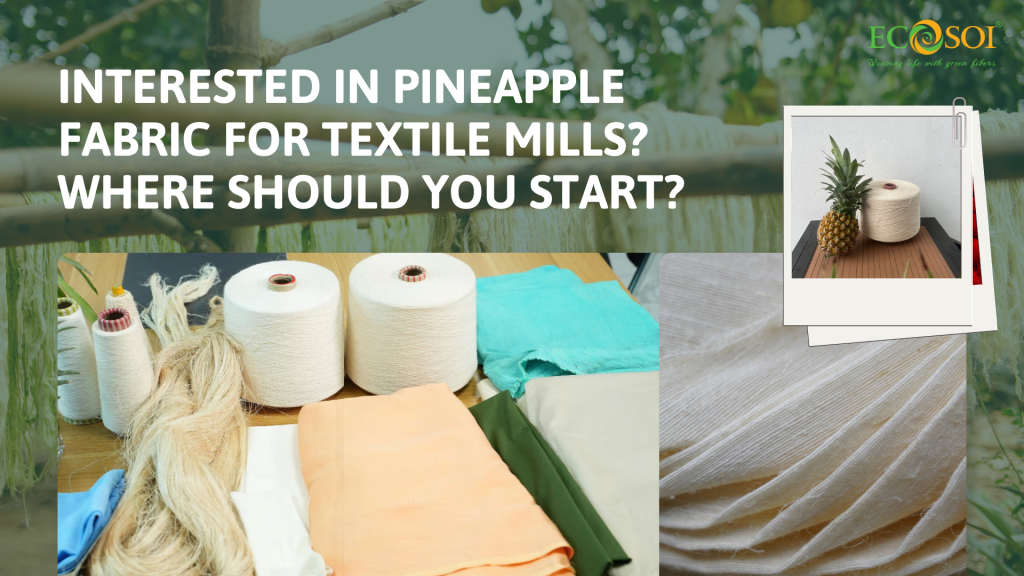
A new fiber becomes useful when it has the right application. That is why material development needs research, testing, and feedback from customers. Ecosoi offers pineapple fiber, yarn, and fabric. Each type serves a different need in the textile supply chain. For textile mills, key factors include fiber composition, fabric weight, and processing needs. For fashion brands, handfeel, drape, and intended use also matter.
Not every fabric suits every product. Even fabrics that contain pineapple fiber can have different properties. Their blend and structure affect the result. Therefore, customers should assess each material against their needs. The material name is only the first step in choosing the right option.
What value does Ecosoi aim to create for communities?
Increasing the value of local resources
Ecosoi aims to increase the value of Vietnamese pineapple. The company also seeks to support rural livelihoods and people who face barriers to employment. This goal puts people at the heart of material development. A supply chain involves more than raw materials. It also depends on the people who collect, process, and make them.
However, a goal to create jobs does not prove that the company has already achieved that result. To assess social impact, we need clear data on jobs, income, and job stability. For this reason, a brand story about local communities is not enough on its own. Verifiable results can help customers understand the company’s actual contribution.
Connecting new materials with traditional textile skills
Ecosoi also aims to work with traditional textile craft villages. This could link new materials with skills that people have passed down through generations. Such partnerships may create new ways to use these materials. However, each option must still meet the needs of quality, cost, and production capacity. Not every fabric works with every weaving method. Customers need to consider the material’s properties and the needs of the final product. The goal is to connect materials, skills, and market needs in a practical way. This could give traditional textile crafts more chances to serve modern products.
Three core values that shape Ecosoi’s development
Ecosoi has three core values: cooperation, responsibility, and innovation. These values matter when the company puts them into practice every day.
Cooperation to find suitable solutions
Developing a new material takes input from many parties. These may include suppliers, textile mills, designers, and fashion brands.

Each group has different needs. Mills focus on how well a material runs through their machines and whether its quality stays consistent. Brands focus on design, user experience, and product positioning. Early discussions help everyone define their needs. They also help identify problems before mass production begins.
For customers, cooperation is more than a promise. It creates a chance to discuss specifications, test samples, and find an option that fits their production goals.
Responsibility starts with clear information
Responsibility goes beyond product quality. It also covers how a company describes its materials and shares environmental information.
For example, we can identify whether a material comes from pineapple leaves. However, a company needs suitable data to claim that a product cuts emissions or has a lower environmental impact than another material.
This matters to brands that prepare ESG reports or meet the needs of international partners. Clear information helps customers understand what a material can offer. It also helps prevent unrealistic expectations.
Innovation through product improvement
In textiles, innovation means more than creating a new fiber. It also means finding the right uses and improving material properties. For example, a mill may need fabric with a certain weight or handfeel. Another brand may care more about drape or surface appearance. Customers should define these needs before choosing a material.

When needed, they should test samples on their actual production equipment. This approach links material development to real needs. It also reduces the risk of choosing a product based only on its name or marketing claims.
Does pineapple fabric always mean sustainable fashion?
No, not always. A product made from a material of natural origin is not automatically more sustainable. We also need to consider the production process, durability, how long people use the product, and what happens when they no longer need it. The Ellen MacArthur Foundation promotes a circular economy approach to textiles. This approach aims to keep products and materials in use for longer and reduce waste.
From this point of view, material choice is only one part of the picture. Product design, long-term use, and end-of-life options also matter. A proper assessment should consider relevant effects on both the environment and people. Therefore, customers should assess pineapple fiber based on its actual properties and suitable data. The name alone cannot prove its environmental impact.
This approach also helps customers understand the material’s value. Instead of choosing a product just because a brand calls it green, they can ask whether it meets their specific needs.
How can customers get started with Ecosoi?
Different customers have different needs. So, the first step is to define how they plan to use the material.
For textile businesses and mills
First, define the required composition, technical specifications, and processing needs. Then compare them with the available product information. Visit Ecosoi’s download page to explore available fabric catalogues, pineapple fiber and yarn catalogues, and company information. These resources provide a starting point for review. However, customers should confirm the specifications and test samples on their actual equipment before placing a bulk order. This step helps them check whether the material fits their production process. It also gives both sides a chance to identify changes before moving to larger-scale production.
For fashion brands and designers
Start with the product you want to make. Define its design, desired handfeel, and performance needs before choosing a fabric. You should also check the fiber blend and care instructions. These details affect the product’s properties and the information you share with buyers. Do more than tell a story about the material. Explain why you chose it. Most importantly, show how it meets the needs of your product.
Explore Ecosoi’s pineapple fabric range to learn more about available options.
For consumers
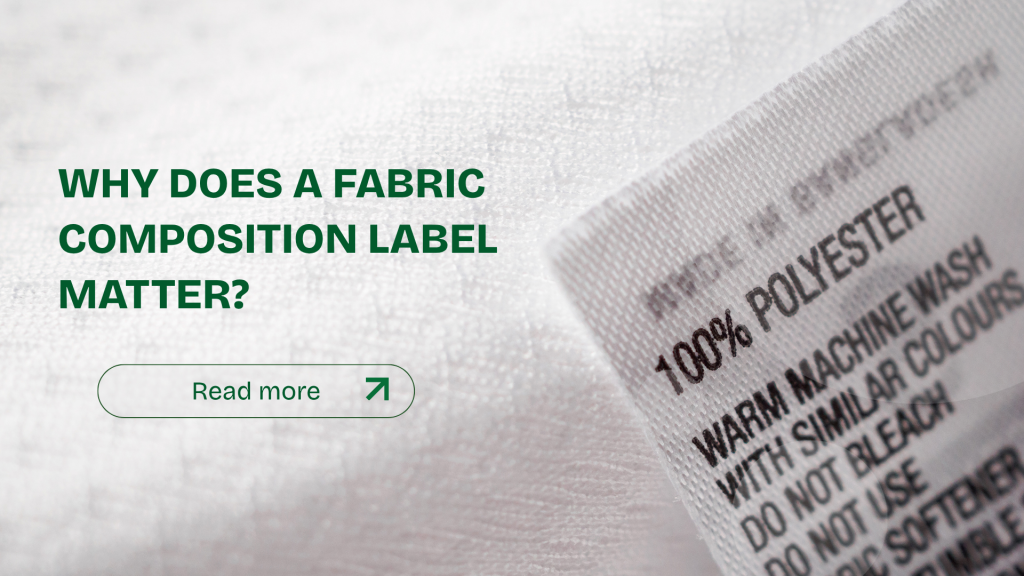
Check a product’s composition and intended use before buying it. Consider its durability, suitability, and potential for long-term use. You do not need to buy something just because a brand calls it sustainable. A good choice should meet your needs and help you avoid unnecessary purchases. In addition, proper care can help a product last longer. This is one practical way to reduce waste. You can also visit the Ecosoi shop to explore available products.
Ecosoi wants to be remembered for values it can show in practice
Pineapple fiber is the starting point of Ecosoi’s story. However, the company aims to do more than develop a new material. Ecosoi seeks to use agricultural by-products, connect local resources, and develop materials for the textile industry. It also follows three core values: cooperation, responsibility, and innovation.
The company needs to show these values through its work. This includes material quality, clear information, cooperation with customers, and real results across the supply chain.
Ecosoi wants customers to know more than the fact that it develops pineapple fiber. It also wants them to understand how people can use the material and what value it may create.
If you are exploring textile materials made from pineapple leaves, start with Ecosoi’s company information and its available product resources. For bulk orders, define your technical needs and discuss suitable samples before starting mass production.