 VIETNAMESE
WHY DO INTERNATIONAL CLIENTS TAKE SO LONG TO PLACE THEIR FIRST ORDER?
In B2B trade, global buyers often get price sheets without buying right away. In the eco-textile field, this wait time lasts even longer. When a brand plans its first international order, the choice goes far beyond price tags. In fact, buyers must check technical skill, batch quality, and origin papers.
For new fibers like pineapple leaf yarn and natural cloth, this check is even slower. Therefore, clients must test goods well before starting mass factory runs.
Nội dung chính:
Placing the first international order is fundamentally a risk assessment
Local buyers can visit nearby mills fast to fix sudden flaws. In contrast, export deals bring long sea routes and big time zone gaps.
Therefore, global partners review several vital questions before signing a deal:
- Do fiber test specs stay uniform across separate crop lots?
- Can the sewing plant handle sudden jumps in order size?
- Does the cargo lead time fit the seasonal production plan?
- Do test certificates meet local import laws in the target country?
- Does the price match real fabric quality on the rack?
- Will raw yarn run smoothly on current factory weaving looms?
An initial purchase order is truly a choice to limit financial risk. Even if a fabric is cheap, buyers still walk away without clear quality facts.
Novel materials require stricter testing procedures
Pineapple leaf fiber (PALF) remains a fairly new textile on the world stage. Most garment plants lack hands-on skill with this plant fiber on older setups.
Consequently, foreign buying teams ask for full technical sheets instead of a simple price per kilo:
- Physical fiber traits: Staple length, yarn fineness, clean degumming rates, and pull strength.
- Finished fabric specs: Cloth weight (GSM), cut width, and plain woven or knit types.
- Blending flexibility: Exact mix ratios with cotton or spandex for stretch.
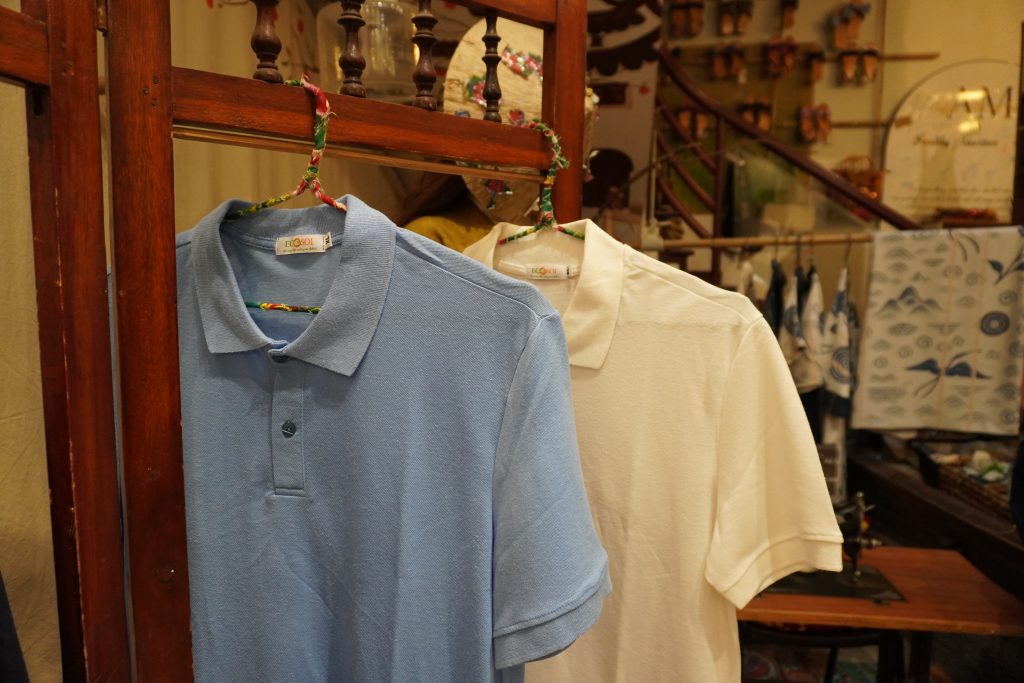
Today, Ecosoi makes diverse blended yarns and woven cloths with 20% to 40% pineapple fiber. Clients need time to test these options and match them with their clothes.
Fabric swatches make or break a large purchase contract
A neat swatch sample alone cannot convince a sourcing team to book thousands of meters. Before placing large orders, test samples must pass strict checks:
Practical factory trials on apparel production lines
First, fashion teams sew full sample clothes from trial fabric cuts. Through these tests, workers check wash shrinkage, color hold, and soft skin feel.
Meanwhile, yarn spinning mills feed raw pineapple fibers into carding combs and spinning frames. Mill bosses must check if fibers snap or jam fast spinning tools.
Suppliers should actively encourage sample trials
Sending trial cuts lowers money risks for both the buyer and the seller. Sourcing teams test real physical traits, while suppliers get factory notes to tune machine setups.
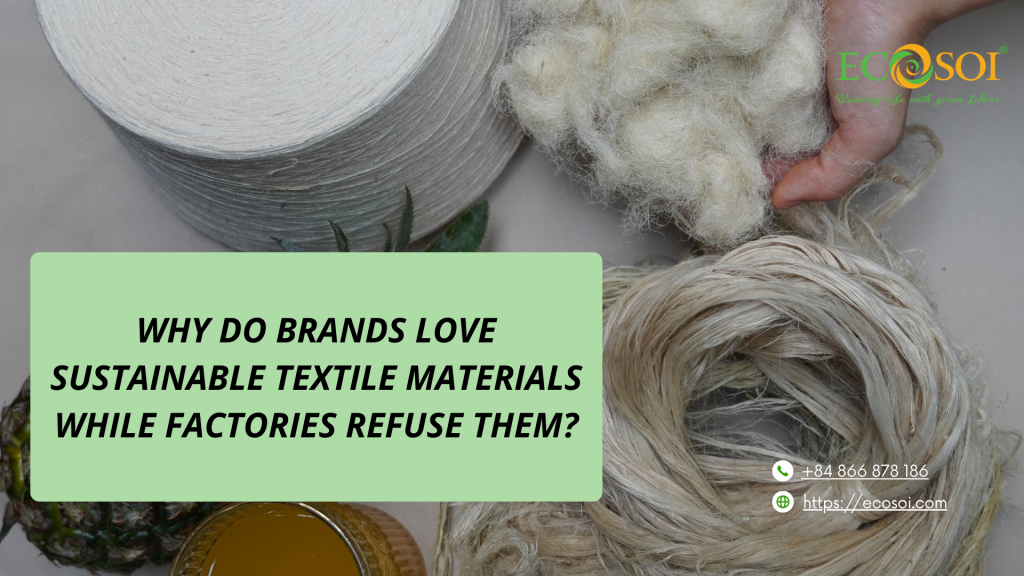
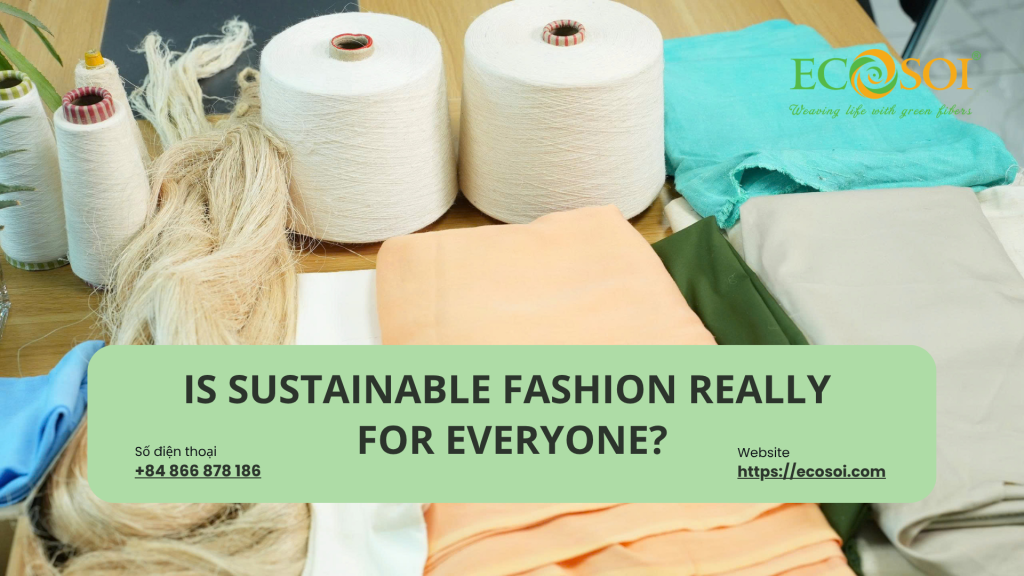
Currently, Ecosoi offers ready sample kits with raw pineapple fiber, spun yarn spools, and woven fabric swatches. Thanks to this clear sampling plan, global partners gain full confidence during internal review rounds.
Explore more: Shop – ECOSOI – Weaving life with green fibers
B2B buyers evaluate overall supplier capability
In global trade, corporate clients look for more than just rolls of fabric. Instead, they seek reliable supply partners for long-term work.
Procurement teams review several practical points:
- Raw material zones: Where do farms grow, and can teams collect green leaves year-round?
- Supply capacity: What is the minimum order quantity (MOQ), and how long is the lead time?
- Batch consistency: Does quality remain uniform across separate shipping crates?
- Technical support: Does the sales team know fiber mechanics well enough to advise clients?
A good supplier does not just write emails fast. Indeed, the real foundation rests on sharing true technical facts and meeting shipping dates.
International sustainability standards demand transparent data
In modern green marketing, saying “100% natural” no longer wins over global B2B buyers. Today, buyers demand solid facts that third parties can verify.
European regulators now tighten eco-rules under the Ecodesign for Sustainable Products Regulation (ESPR). In addition, the Digital Product Passport (DPP) is rolling out steadily across the clothing trade.
Therefore, cheap prices are no longer a winning edge by themselves. Mills must share clear logs on water use, input chemicals, and carbon emissions. Honest communication builds lasting trust with global purchasing teams.
Silence after a quotation does not mean a lost deal
Sales reps often worry when foreign partners stay silent after getting a price quote. However, this delay usually stems from slow internal team steps:
- Testing labs are washing and checking fabric swatches right now.
- Technical teams are waiting for direct feedback from sample sewing lines.
- Merchandisers are figuring out sales margins for the next season.
- Company leaders are comparing bids from several fabric mills.
Therefore, sales reps should avoid asking pushy questions like “When will you place the order?”. Instead, give helpful technical support with constructive questions:
- “Did your team get enough technical specs to test the fabric swatch?”
- “Do you want us to send our latest yarn pull strength test sheets?”
This consultative method turns a cold sales pitch into a trusted business bond.
Practical steps to accelerate the first export order
To speed up talks with global buyers, textile mills can take three practical steps:
- Standardize technical data sheets (TDS): Prepare clear files showing fiber blends, fabric weight (GSM), width, yarn count, MOQ, and error limits.
- Build a professional sampling workflow: Guide buyers through clear steps, from sample choices and air post tracking to tech review forms.
- Share honest environmental metrics: Show mechanical scraping steps and wash water facts while avoiding empty green words.
Conclusion
Securing a first international order can easily take several months. This waiting period is not a sign of defeat, but a normal way to cut business risks.
When suppliers provide accurate test samples, clear origin papers, and patient help, real export deals follow naturally.
Is your company looking for export-grade natural pineapple leaf textiles?
- Review full technical specs and request your material sample kit through the official Ecosoi platform.
- Get dedicated technical consulting and commercial wholesale quotes via the Ecosoi contact channel.