 VIETNAMESE
How to Spot a High-Quality Pineapple Fiber Batch
Today, sustainable materials are rising fast globally. Thus, pineapple fiber is grabbing huge attention from top fashion brands. Using agricultural byproducts makes it a truly great eco-friendly solution.
However, not every fiber batch offers the exact same quality. Therefore, judging the material quality correctly from the start is vital. Ultimately, it directly decides your production speed, final product quality, and supply chain trust. This article will show you how to spot a high-quality pineapple fiber batch based on trusted technical rules.
Nội dung chính:
Why Do We Need Strict Yarn Quality Control?
Unlike synthetic yarn made in chemical plants, pineapple fiber has a natural biological origin. Because of this, its quality deeply depends on the plant breed, soil, and harvest time.

Indeed, this natural variation requires a very strict testing system. According to the ISO, standardizing material specs is the core key to sustainable trading. Thus, strict yarn quality control is absolutely necessary.
5 Core Standards of a High-Quality Pineapple Fiber Batch
Based on ASTM International testing rules and real factory needs, a good fiber batch must show these clear signs:
High Fiber Uniformity
First, this is the most important sign. A good batch must have an even fiber length and a stable size distribution.
If the batch has too many short, broken, or clearly layered fibers, that is a big red flag. Conversely, high uniformity helps factories spin the yarn easily. Also, it greatly reduces breakage and creates a stable fabric surface.
Natural Color and Standard Moisture
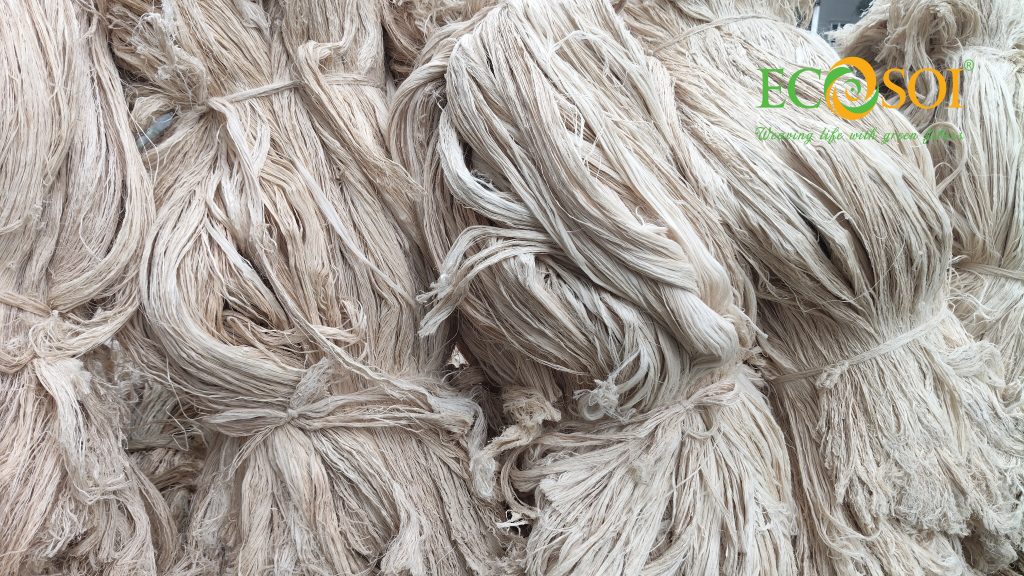
Second, color directly shows how well factories removed impurities. Standard pineapple leaf fiber usually has a natural pale yellow to ivory color. Also, the tone must be very even. If the fiber is too dark or patchy, workers might have processed it poorly.
Besides that, moisture is a highly dangerous factor if ignored. A good batch must feel dry, non-sticky, and have no moldy smell. Too much moisture lowers mechanical strength and increases mold risks during storage.
Low Impurities and Good Hand Feel
Third, according to ASTM standards, good quality yarn must not contain extra leaf tissue, dirt, or organic waste. Low trash levels help factories cut waste and save daily running costs.
At the same time, the fiber must not be too brittle or itchy when touched. A soft hand feel proves the degumming process was excellent. Thus, it leaves no toxic chemicals behind.
Stable Processing and Spinning Ability
Next, true pineapple fiber quality will show clearly on the factory machines. An excellent batch must react well to carding, twisting, and weaving steps. More importantly, it must blend smoothly with other natural fibers like cotton or linen.
Clear Traceability Records
Finally, in the ESG era, quality goes beyond physical traits. A premium batch must come with clear data about farm locations and quality control records. According to the UN Environment Programme (UNEP), clear tracking is the ultimate base to avoid “greenwashing” risks.
A Multi-Dimensional View: From B2B Factories to B2C Closets
For B2B factories and brands, picking the wrong fiber batch leads to high waste and blown budgets. Therefore, judging quality correctly helps businesses optimize formulas and meet global export rules.
For B2C buyers, you do not need heavy testing tools. Instead, just choose products from honest, clear brands. Clothes made from high-quality pineapple yarn will resist pilling, hold their shape, and bring total comfort when worn.
Ecosoi: Elevating Industrial Pineapple Fiber Quality
At Ecosoi, we do not try to make fake “perfect” pineapple fibers. Instead, our goal is to offer stability, perfect fit, and clear data.
Ecosoi strictly controls the smoothing and processing steps to remove all trash. Specifically, to help factories process materials easily, we offer flexible blended yarn solutions. We mix pineapple yarn perfectly with cotton, hemp, or linen.
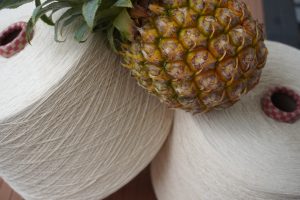
Ultimately, all our materials offer high uniformity, standard moisture, and clear tracking records. Thanks to this, our B2B partners feel completely safe using Ecosoi materials in mass production.
Conclusion
To sum up, a good pineapple fiber batch combines uniformity, cleanliness, spinning ability, and clear tracking. Understanding and spotting these signs will help your business make great products and build a kind fashion industry.
- Does your factory need raw pineapple fiber that meets strict technical standards and stays stable across batches? 👉 Contact Ecosoi right now to get advice and receive real samples!
- Start building your sustainable closet with the best materials! 👉 Follow the Ecosoi Fanpage to explore the amazing journey of turning pineapple leaves into beautiful natural silk!