 VIETNAMESE
Essential Textile Material Terms Buyers Need to Understand
In the global supply chain, materials form the base of quality, cost, and sustainability. However, not every buyer truly understands fabric parameters. Therefore, mastering basic textile material terms is a strict must. It helps you judge quality accurately and avoid tricky marketing traps. Below is a detailed textile materials glossary for designers, brands, and smart consumers.
Nội dung chính:
Basic Textile Raw Materials: Fiber Terms
First, a fiber is the smallest unit used to make yarns and fabrics. Naturally, the fiber’s origin directly controls how the clothing feels and lasts.
-
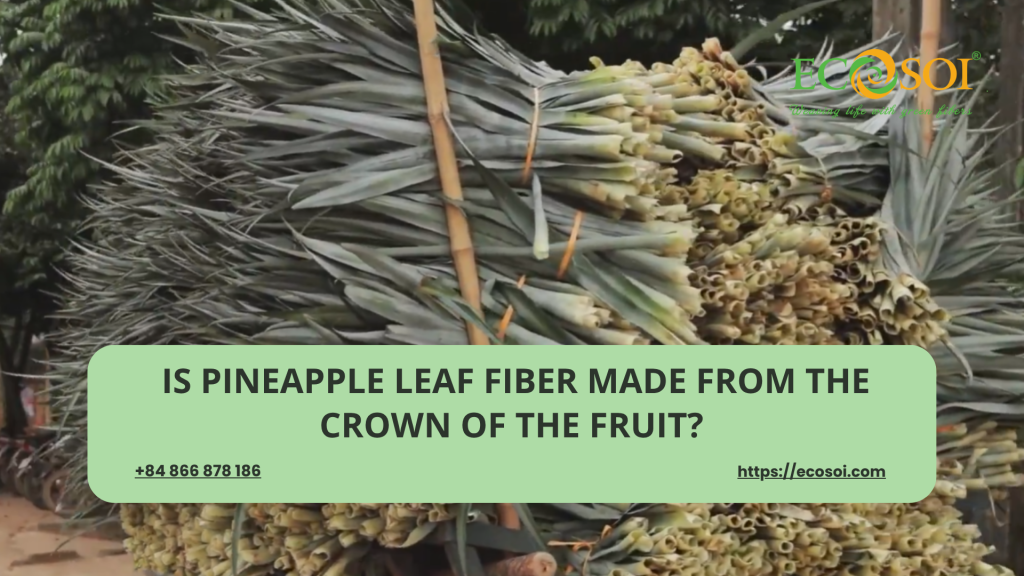
Natural fiber: These fibers come from plants (like cotton, linen, hemp, and pineapple) or animals. According to the ISO, natural textile raw materials offer great breathability and break down easily in nature.
-
Man-made fiber: Factories make these fibers from natural goods or crude oil using chemical steps. Therefore, buyers must clearly separate regenerated fibers (from plant cellulose) from synthetic fibers (like polyester and nylon).
-
Blended fiber: This is a mix of two or more fiber types. Basically, the goal is to balance performance, boost strength, and cut costs. Ultimately, the mixing ratio decides the final traits of the fabric.
Fabric Technical Terms: Yarn and Fabric Structure
After getting the fibers, we must look at how factories link them together. Thus, you must know these fabric technical terms.
-
Yarn count: This term shows how thin or thick a yarn is. Depending on the measuring system, the numbers can mean different things. Thus, you must ask your supplier clearly about the system and the yarn’s main use.
-
Spinning method: Spinning techniques (like Ring, OE, or Compact) heavily affect the yarn’s evenness, strength, and surface feel.
-
Weaving & Knitting: First, weaving creates a stable fabric that barely stretches (like dress shirts). Conversely, knitting creates a soft, flexible, and very stretchy surface (like t-shirts). This is a vital factor when choosing apparel materials.
-
GSM (Grams per Square Meter): This is the fabric’s weight per square meter. However, a high GSM does not always mean high quality. Instead, it also depends on the weave structure and fiber type.
Textile Industry Terms: Performance and Use
To ensure a great user experience, knowing these textile industry terms regarding performance is extremely important.
-
Breathability: This shows how well the fabric exchanges air. Clearly, it directly affects your comfort when wearing the item.
-
Moisture management: This describes the fabric’s ability to absorb, spread, and dry sweat. Indeed, this is a vital factor for sports gear or hot, humid climates.
-
Durability: This shows the fabric’s ability to resist rubbing, survive repeated washing, and keep its shape over time.
Material Standards and Transparency
As sustainable materials grow popular, this group of terms gets much more attention today.
-
Traceability: This allows you to track materials from raw fiber to the final product. According to the OECD, this is the core of responsible material sourcing.
-
Recycled vs. Regenerated: First, “recycled” means reusing old waste (like plastic bottles). Meanwhile, “regenerated” means making new fibers from natural plant sources. Therefore, these two concepts are completely different.
-
Certification: This is an independent proof from a third party. It checks and confirms the material standards, origins, production steps, and safety of the item.
Conclusion
To sum up, understanding correct textile material terms helps you make exact buying choices. Truly, a clear supply chain always starts with a shared language. Whether you are a B2B brand or a final buyer, this knowledge completely protects you from costly material mistakes.
Are you looking for natural blended fibers with clear traceability? 👉 Ecosoi specializes in providing flexible blended yarns and fabrics (like pineapple fiber mixed with cotton, hemp, or linen). Contact us today via the Ecosoi Website to get more info and real material samples!
Smart shopping starts with knowing what is in your shirt. 👉 Please follow the Ecosoi Fanpage to catch more useful textile tips and join us in supporting a green lifestyle!