 VIETNAMESE
Pineapple Fiber vs. Linen Fabric – Which is the Better Choice?
Pineapple fiber and linen are both natural fabrics favored in modern fashion and textiles. These eco-friendly materials come with impressive benefits and are increasingly popular among sustainable consumers. However, each type of fabric has its own unique characteristics suited to different purposes.
Nội dung chính:
What are pineapple fiber and linen?
What is pineapple fiber?
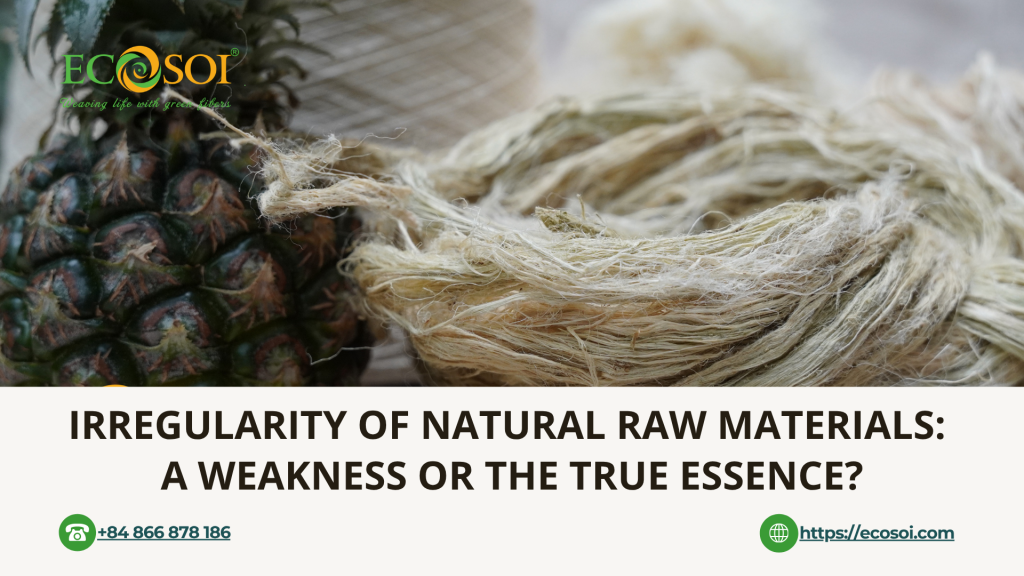
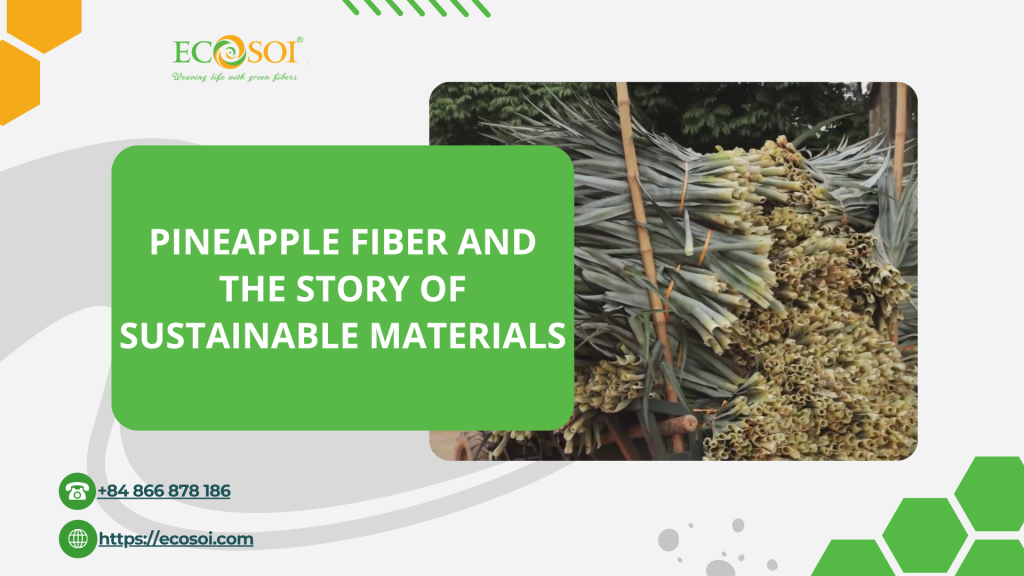
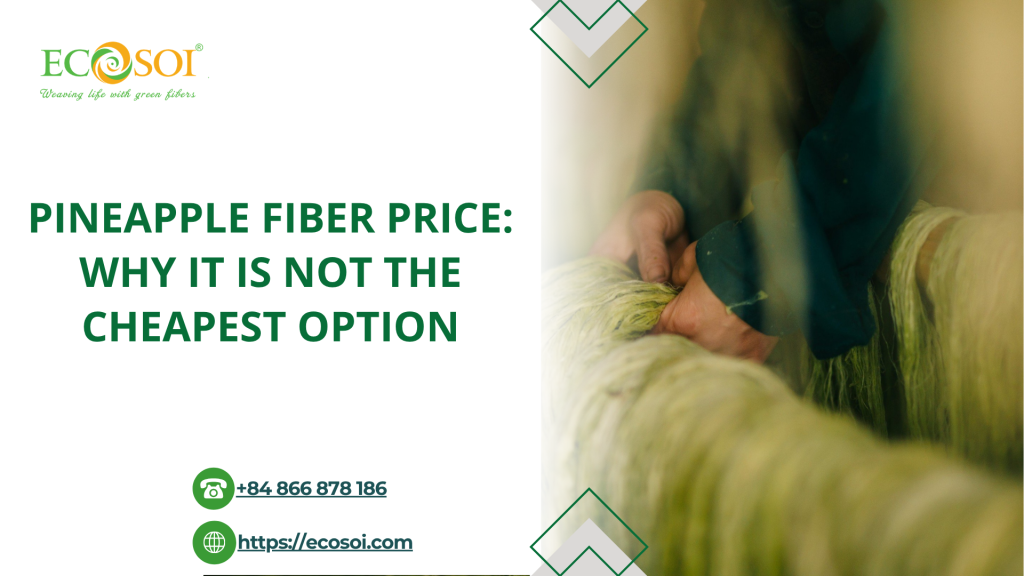
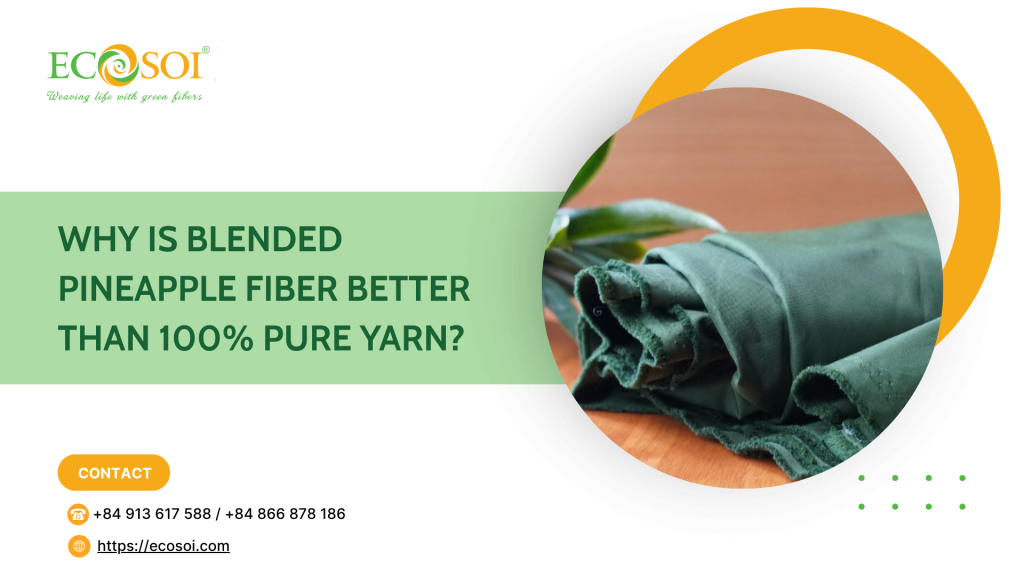
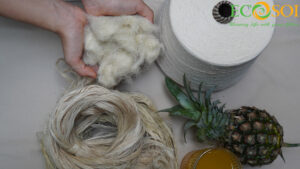
Pineapple fiber is a biodegradable, eco-friendly fabric made from pineapple leaves. The fiber extraction process involves peeling, scraping, and refining the fibers—completely chemical-free. Known for its light and silky texture, pineapple fiber is often blended with cotton, bamboo, or other natural materials to enhance durability and absorbency.

What is linen fabric?
Linen is a natural textile derived from the flax plant. It’s one of the earliest known fabrics in human history. Linen fibers are relatively thick and tightly woven, giving a distinct hand-feel. Originating in Switzerland, the flax stems are traditionally processed near lakes and then woven into fabric.


Common advantages of natural fabrics
Both pineapple fiber and linen belong to the natural fabric category and offer several environmental and health benefits:
- Eco-friendly: Both are biodegradable and reduce environmental impact.
- Durable: High resistance makes them suitable for diverse textile applications.
- Skin-safe: Gentle on the skin, even for sensitive users.
Pineapple fiber vs Linen: A comparison
| Criteria | Pineapple Fiber | Linen Fabric |
| Breathability | Good, but less breathable than linen | Excellent airflow due to flax fiber structure |
| Durability | More durable due to stiffness and high tensile strength | Less durable, lower elasticity and abrasion resistance |
| Moisture absorption | Average, less absorbent than linen | Excellent sweat absorption and moisture-wicking |
| Softness | Slightly stiff at first, softens over time; retains structure well | Softer feel, becomes even softer with washing |
| Thermal retention | Better at retaining warmth, suitable for cool weather | Poor heat retention, ideal for warm climates |
| Applications | Versatile, blends well with other materials; great for shirts, maxi dresses, modern ao dai, unique bags | Ideal for shirts, trousers, dresses, bedsheets; elegant and minimal style for workwear and casual outfits |
Which Fabric Should You Choose?
Depending on your needs, you can choose the fabric that suits your lifestyle:
- Pineapple Fiber: Great for those who value durability, breathability, and water resistance while supporting eco-friendly fashion. Perfect for casual wear, unique bags, or modern interpretations of traditional outfits.
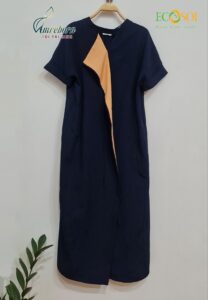
- Linen Fabric: Ideal for those who prefer softness and ease of styling. Perfect for office wear, casual looks, or even elegant evening attire.

Conclusion
Both pineapple fiber and linen offer natural, eco-conscious alternatives to synthetic textiles. Each has unique strengths, and your choice should reflect your personal preferences, intended use, and climate.
At Ecosoi, we’re proud to accompany you on the journey toward green, sustainable fashion.