 VIETNAMESE
Why the world is shifting to pineapple fiber fabric instead of traditional materials
The global fashion industry is undergoing a green revolution. Under the pressure of climate change and resource depletion, manufacturers are being pushed to seek more sustainable materials. Among these, pineapple fiber fabric has emerged as a breakthrough solution, gradually replacing traditional materials like animal leather, synthetic fibers, and conventional cotton. Ecosoi Vietnam is proud to be a pioneer in applying this material, delivering high-quality, sustainable products to consumers.
Nội dung chính:
The urgency of replacing traditional materials
The fashion industry causes serious environmental impacts. The rise of fast fashion and dependence on old materials and production methods have pushed the planet to its limits, demanding immediate change.

The burden of animal leather: behind the glamour
The animal leather industry may look luxurious, but it comes at a huge environmental cost:
- Greenhouse gas emissions and land use: Livestock farming, the primary source of leather, is a leading cause of greenhouse gas emissions. According to a 2021 report by the United States Department of Agriculture, global livestock farming accounts for around 14.5% of human-induced greenhouse gas emissions, with methane (CH₄) from ruminants being 28 times more potent than CO₂. Large-scale farming also requires vast land, leading to deforestation and land degradation.
- Water consumption and water pollution: Raising a single cow consumes thousands of liters of water. The tanning process uses large amounts of toxic chemicals like chromium, which, if not treated properly, severely pollutes water sources, harming ecosystems and public health.
The threat of synthetic fibers: microplastics everywhere
Synthetic fibers (polyester, nylon, acrylic) make up around 68% of global textile production (as of 2022), but they are a double-edged sword:
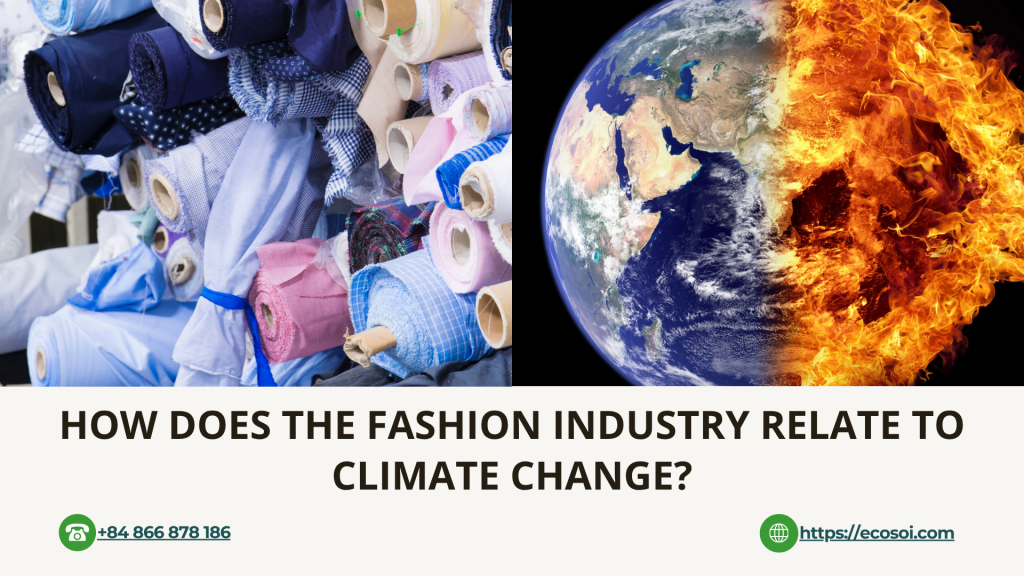
- Fossil fuel dependence and carbon emissions: Synthetic fibers are derived from petroleum, a finite resource, and their production is energy-intensive, releasing high levels of carbon emissions. The global textile industry contributes about 10% of all global greenhouse gas emissions, mostly from synthetic materials.
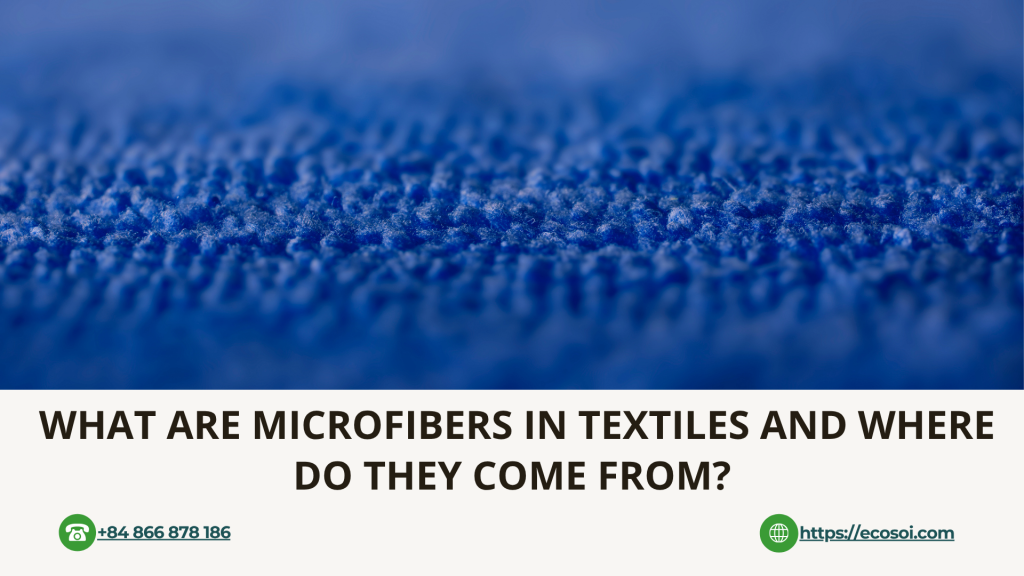
- Microplastic pollution: Each wash can release up to 700,000 microplastic fibers (study from 2018), which end up in oceans and enter the food chain, posing risks to both human health and the environment.
- Non-biodegradability and textile waste: Synthetic fibers take hundreds of years to decompose. Globally, about 92 million tons of textile waste are generated each year, projected to reach 134 million tons by 2030 without intervention (according to the Ellen MacArthur Foundation).
Conventional cotton: a natural fiber with a high price tag
Though natural, traditional cotton cultivation presents major challenges:
- Massive water consumption: Cotton is one of the thirstiest crops. Producing a single cotton t-shirt requires around 2,700 liters of water—enough for one person to drink for 2.5 years. Over-irrigation depletes freshwater sources.
- Pesticide and chemical use: Conventional cotton farming uses large amounts of pesticides and agricultural chemicals, which seep into the soil and contaminate water sources, affecting both the environment and human health. The textile industry uses nearly 2,000 types of chemicals, and 20% of global freshwater pollution is caused by textile processing and dyeing.
This urgency is driving the search for alternative materials, and pineapple fiber fabric is one of the most promising solutions for sustainable fashion.
Pineapple fiber fabric – a superior sustainable solution for fashion
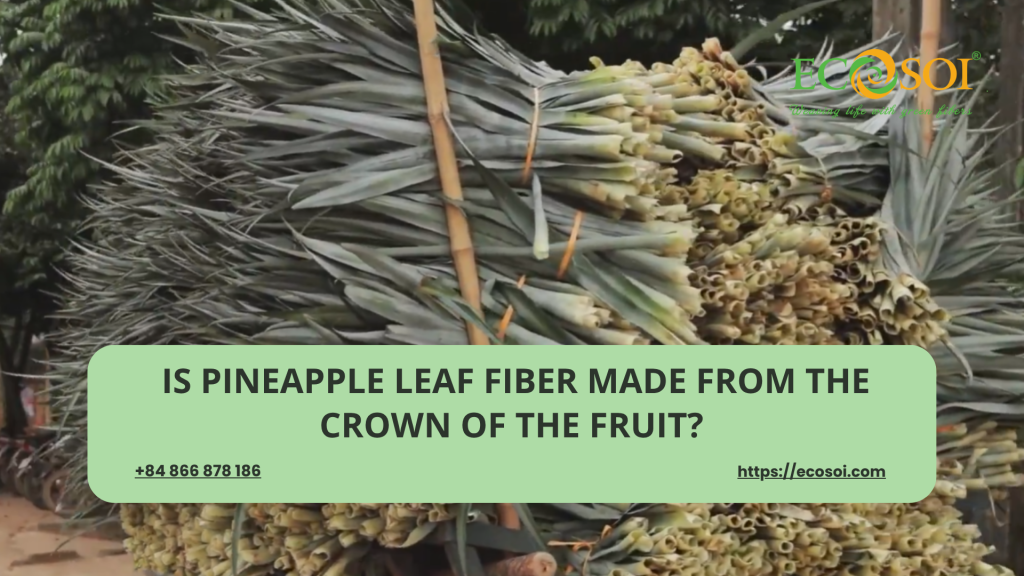
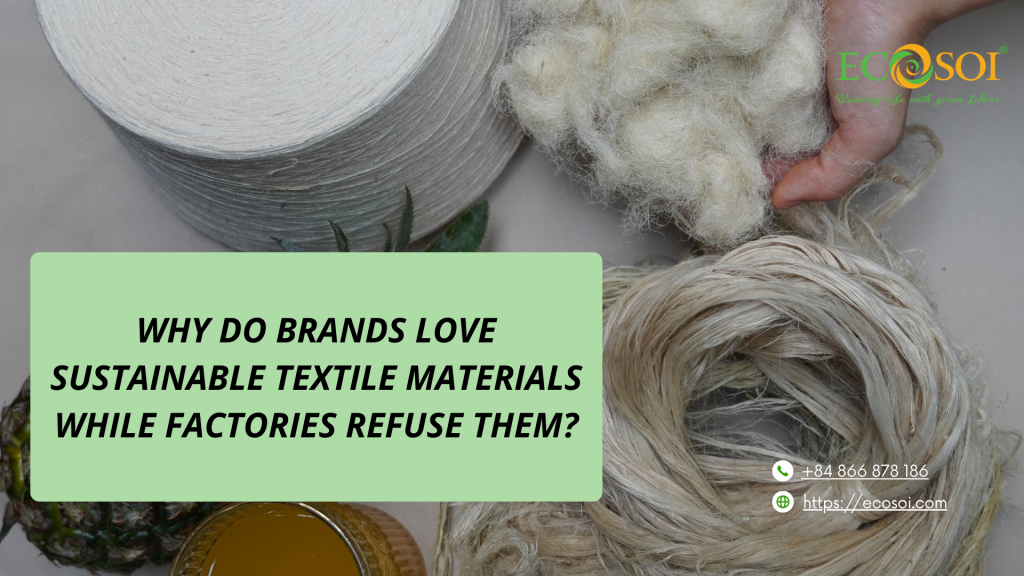
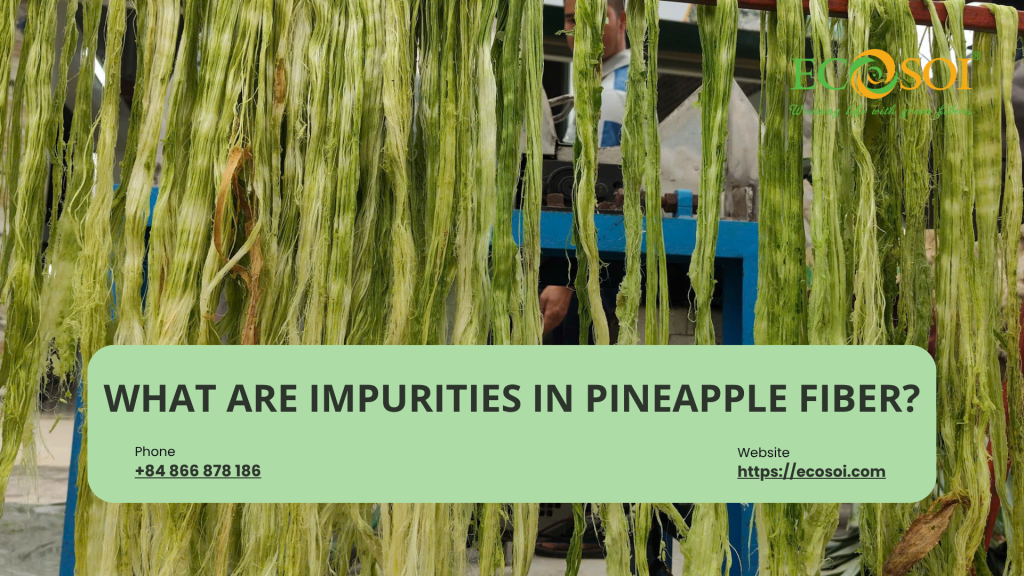
Pineapple fabric is made from cellulose fiber extracted from pineapple leaves—an abundant agricultural by-product. This is a key step toward a circular economy, turning “waste” into valuable resources.
Pineapple fiber: the hidden strength of nature
Pineapple fiber is not only “green” but also features superior characteristics thanks to a combination of natural fiber and advanced technology:
- Durability and long lifespan: Pineapple fiber offers excellent tensile strength and abrasion resistance, ensuring product longevity and reducing the need for frequent replacement.
- Lightweight and comfortable: Pineapple fabric is lightweight, offering maximum comfort and flexibility for daily use.
- Breathability and moisture control: Its micro-porous structure enhances airflow, reducing moisture and unpleasant odors—perfect for tropical climates.
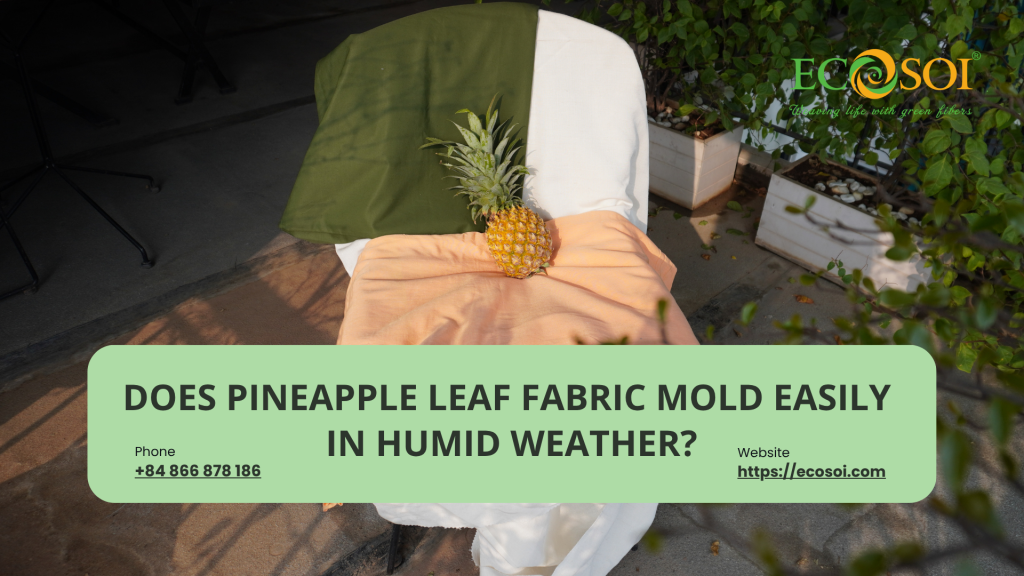
- Natural antibacterial and odor resistance: Pineapple leaves contain antibacterial compounds that help prevent mold and keep products clean and fresh for longer.
- Easy to shape and skin-friendly: Technology allows pineapple fiber to become soft and dyeable, offering high aesthetic appeal. Its natural origin and low chemical use make it safe for sensitive skin.

Pineapple fabric: unlimited application potential
Initially famous under the name Piñatex—a “plant-based leather” alternative for luxury shoes and bags—pineapple fiber fabric is now recognized for its broader potential:
- Smart accessories: Ideal for handbags, backpacks, wallets, hats, and more, combining durability, lightness, and natural beauty while promoting a conscious lifestyle.
- Creative apparel fashion: Designers are now using pineapple fiber in jackets, pants, dresses, and even office wear, creating comfortable, stylish garments with a message of responsibility.
- Interior design and home living: Thanks to its breathability and rustic charm, pineapple fabric is used for upholstery, curtains, and home decor, helping create eco-friendly living spaces.
- Advanced materials of the future: Pineapple fiber is being researched for use in lightweight, durable composites for the automotive, aerospace, and engineering industries, opening exciting paths for bio-material innovation.
Ecosoi Vietnam – embracing the green fashion movement
At Ecosoi Vietnam, we believe pineapple fiber is more than just a material—it’s a philosophy. We are committed to providing high-quality pineapple fabric products that not only meet aesthetic needs but also contribute to a healthier planet.
We continuously research and innovate to optimize the use of pineapple fiber in both production and design, ensuring each Ecosoi product represents a perfect harmony between technological innovation and environmental protection. When you choose a pineapple fiber product from Ecosoi, you’re not just buying an item—you’re investing in a sustainable future, supporting a circular economy, and easing the burden on our planet.
Conclusion
The global shift toward using pineapple fiber instead of traditional materials is inevitable. With its exceptional sustainability, environmental benefits, strong physical properties, and versatile applications, pineapple fiber is redefining the fashion industry and beyond. Ecosoi Vietnam is proud to be part of this green revolution, offering consumers eco-friendly product choices and contributing to a brighter future for our planet. Join Ecosoi in supporting green fashion and experience the power of pineapple fiber!