 VIETNAMESE
DOES SUSTAINABLE FASHION REQUIRE CONSUMERS TO STOP SHOPPING COMPLETELY?
Does sustainable fashion force you to quit shopping for good? The short answer is no.
If we say green living means no shopping, fashion turns into a list of bans. However, the real issue is not just buying or not buying. What matters most is what we choose to buy. In addition, we must ask how much we buy and how long we keep each piece.
According to the European Environment Agency (EEA), clothes buying in the EU rose fast. It climbed from 17 kg per person in 2019 to 19 kg in 2022. At the same time, garment mills place heavy stress on our planet.
Therefore, an eco-friendly life does not start with extreme shopping bans. Instead, you can begin by buying with clear intent.
Nội dung chính:
Sustainable fashion does not mean never buying clothes
A new shirt does not make you a bad shopper right away. In contrast, an eco-labeled top can still harm nature if tossed away too soon. Indeed, we need to look at the whole life of each item:
- Wear frequency: Tossing an item out early creates pressure to make new goods.
- Product lifespan: Well-kept clothes build real lasting value over many years.
- Policy directions: The EU Strategy for Sustainable and Circular Textiles focuses on durable goods. Such goods must be easy to fix and recycle.
Therefore, you do not need to ask: “Can I ever buy clothes again?”. The better question is: “Is this item worth keeping for a long time?”.
Why is reducing consumption still an important factor?
New production always uses fresh natural resources
Garment production always needs raw materials, energy, and clean water. In fact, this remains true for both natural and synthetic fibers.
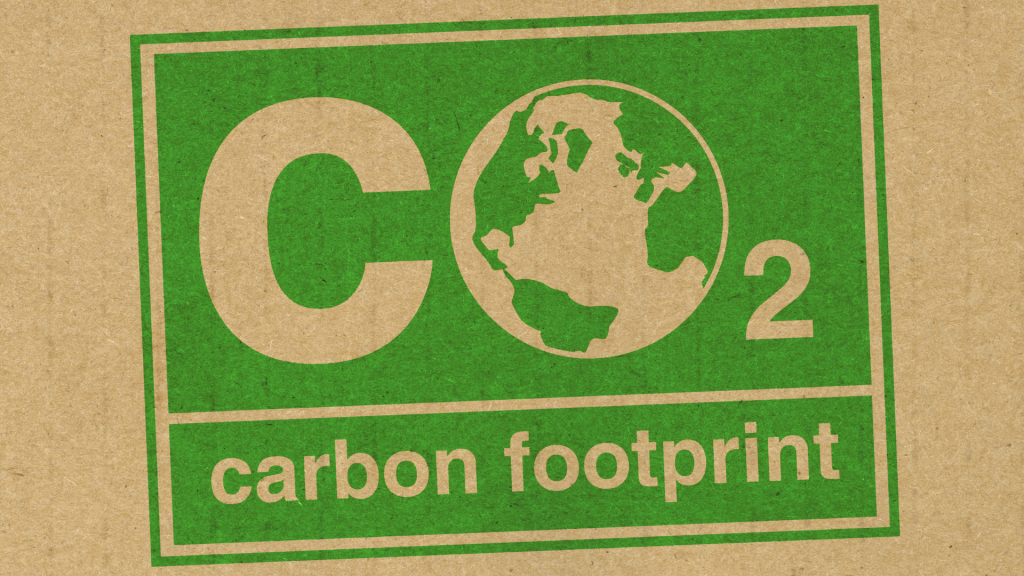
According to the EEA report, EU clothing used 234 million tonnes of raw materials in 2022. In that same year, related greenhouse gas emissions hit 159 million tonnes of CO2.
These clear numbers prove a simple truth:
- Changing materials is not enough if shopping volumes keep going up.
- Consumers must balance picking good goods with daily wearing habits.
- Real answers must link clean fiber tech with thoughtful daily habits.
Responsible shopping should not become moral pressure
Every person has very different clothing needs in daily life:
- Office workers need neat outfits that fit company rules.
- Outdoor workers need tough workwear with high strength.
- Local weather, job roles, and culture all guide daily closets.
Therefore, forcing shoppers to stop buying is impossible. Instead, the best goal is cutting down on impulse buys. You should aim to wear every garment as many times as you can.
Three practical rules for consumers when buying new clothes
Shop for actual needs rather than short-term trends
Before buying any piece, ask yourself: “How many times will I wear this?”.
If the answer is under ten times, you should pause and rethink. In contrast, clothes worn every week are always a wise expense. According to the United Nations Environment Programme (UNEP), shifting daily habits is key to cutting greenhouse gases.
Prioritize physical durability and practical function
A truly green garment must hold up well in daily life:
- Garment craft: Check seam strength, neat stitches, and solid zippers.
- Fabric surface: Pick dense weaves that resist pilling and daily rub.
- Shape retention: Look for cloth that keeps its fit after many washes.
If an outfit falls apart quickly, the original green story loses all its value.
Evaluate data transparently instead of trusting natural labels alone
A natural crop tag does not mean a shirt leaves no footprint. In contrast, synthetic yarns still bring clear perks for gym wear. Each fiber type has its own farm path and chemical steps. Therefore, buyers should read label blend numbers with care. Never rely on broad sales slogans alone.
What role does pineapple fiber play in sustainable fashion?
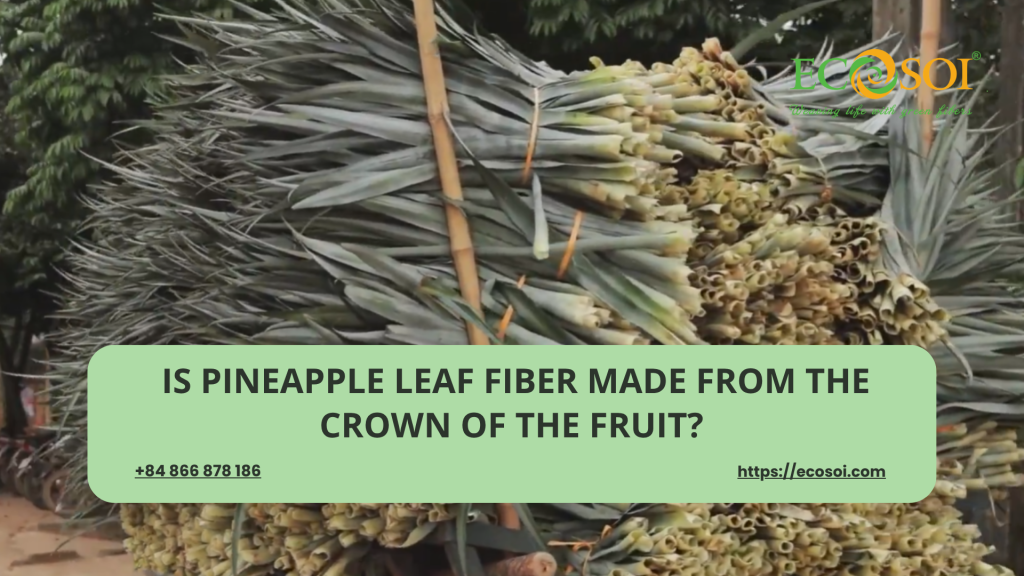
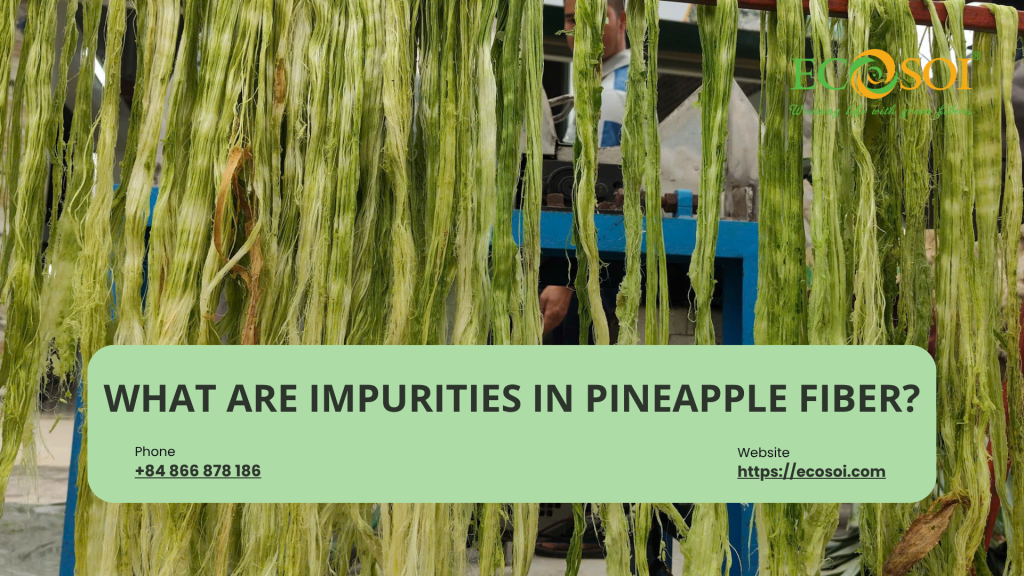
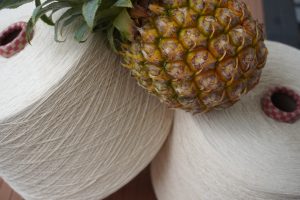
In efforts to clean up the textile field, farm crop waste opens promising paths. Ecosoi refines textile inputs from harvested pineapple leaves. Next, these plant fibers are spun and woven into diverse goods:
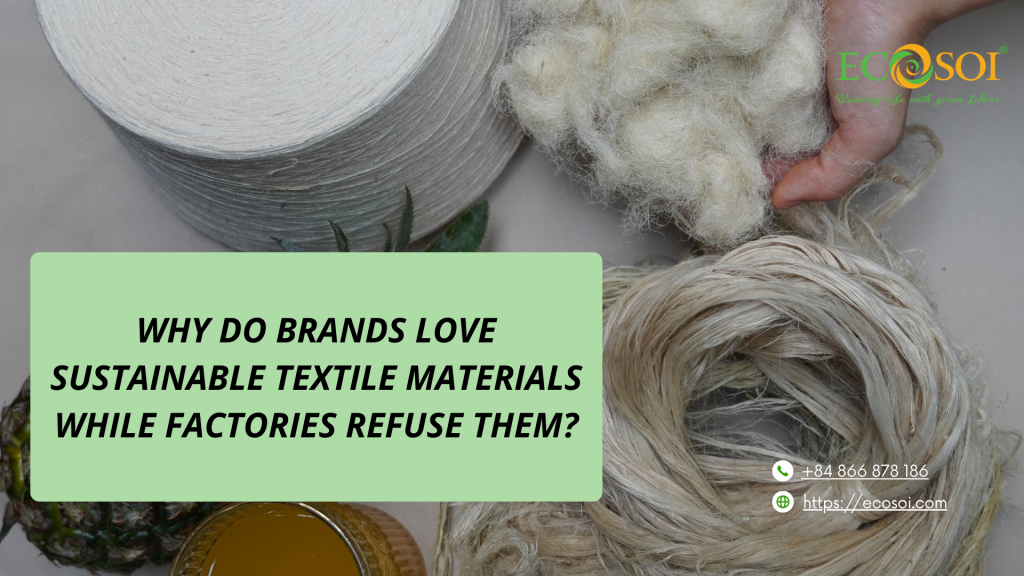
- Raw pineapple fiber: A natural raw material processed from post-harvest pineapple leaves. It stays in clean fiber form for future material work. This is a great choice for teams wanting to test, study, or craft custom pineapple fiber goods.
- Blended pineapple yarn: A blend of raw fibers made for varied apparel uses. Ecosoi supplies blended yarns like 20% pineapple fiber with 80% cotton, and 40% pineapple fiber with 60% cotton. These yarns suit both clothing fabrics and other woven items.
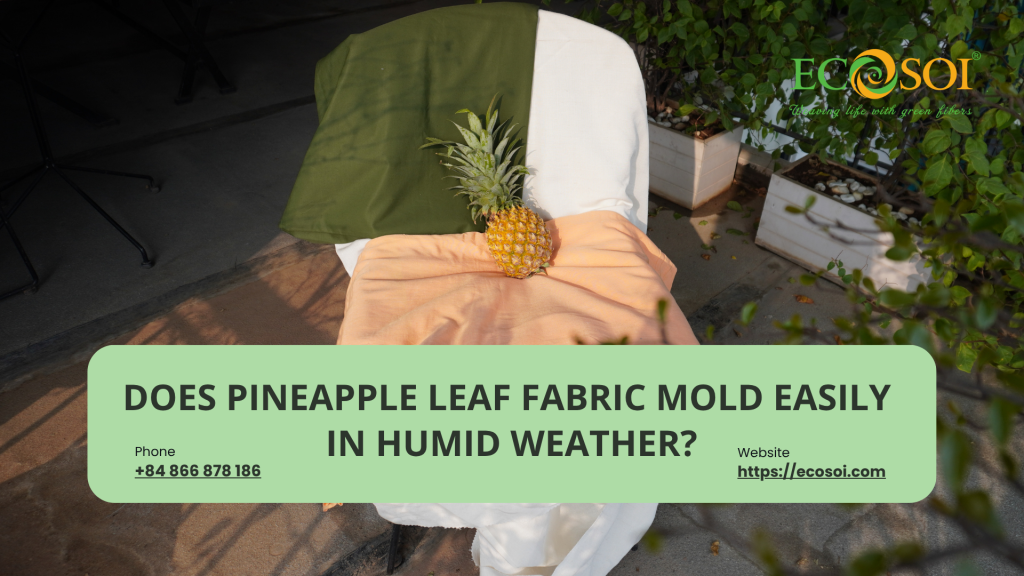
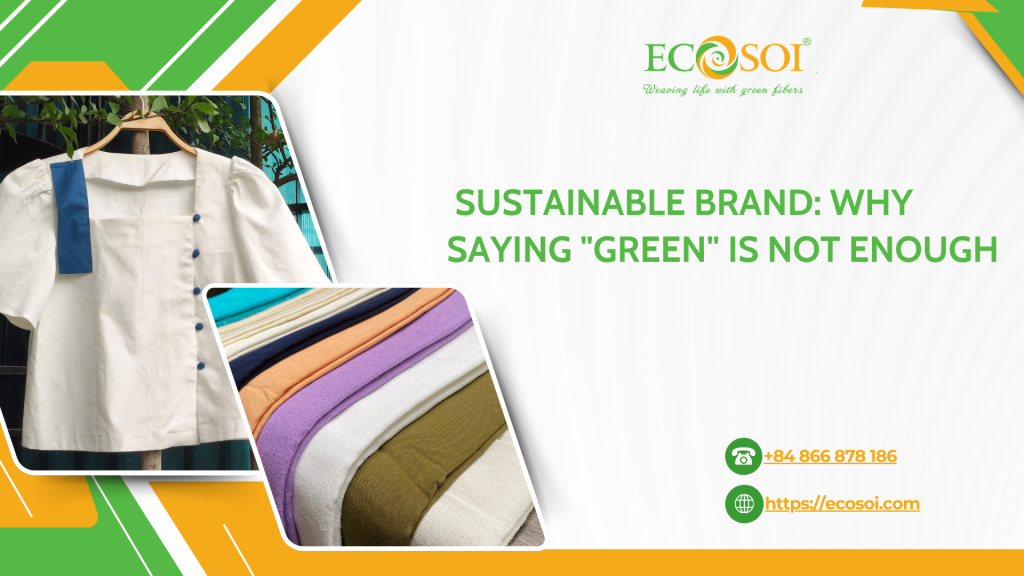
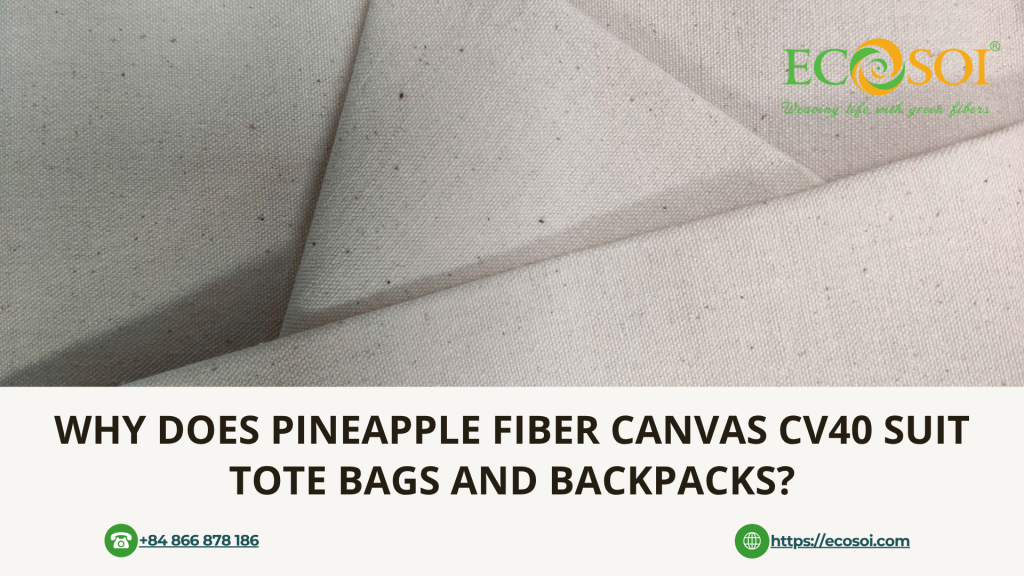
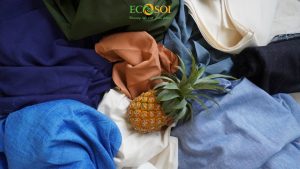
- Pineapple fabric: An extra material choice for modern fashion and gear. Depending on the weave and blend ratio, it fits many uses. These uses range from shirts to bags, shoes, and items needing a good body and weight.
Extending garment lifespan is a direct action in the circular economy
The true eco-value of a shirt depends on how often you wear it:
- A shirt worn for three years cuts the need for newly made tops.
- A trendy piece tossed away after one season wastes precious resources.
- Good garment care and mending small tears help extend fiber life.
Consequently, green living does not stop at the shop cash desk. This journey keeps going every day you wear and care for your clothes.
Responsibilities of apparel businesses in promoting a green lifestyle
Fashion brands cannot put all eco-duties on shoppers alone. Apparel makers must take the lead in changing how goods are made:
- Circular design: Make clothes that are easy to mend and simple to recycle.
- Technical clarity: Share exact blend numbers and material origins with buyers.
- Reduce packaging waste: Cut out extra plastic bags and useless tags in shipment crates.
- Strict quality testing: Ensure color hold and wash shrinkage rates pass factory tests.
When mills make high-grade clothing, shoppers naturally keep their items much longer.
How should B2B buyers approach eco-friendly materials?
For sewing mills and fashion brands, switching materials requires technical care:
- Stable supply: Fresh pineapple leaves must be gathered steadily to meet order dates.
- Machine compatibility: Yarns must run smoothly on current factory looms without slowing lines down.
- Clear technical files: Suppliers must share detailed technical data sheets (TDS).
Knowing these needs well, Ecosoi always invites partners to test high-grade pineapple yarns directly before placing large mill orders.
Conclusion: Sustainable fashion is a journey of conscious consumption
In short, sustainable fashion does not ask you to stop shopping entirely. This path seeks balance. Buy with clear care, wear your items for years, and pick open materials with verified facts.
A green garment brings real value when it serves the wearer well. When fabric mills, brands, and buyers work as a team, fashion will reach a truly lasting green shift.
Discover natural pineapple fabric solutions: Order the Ecosoi Mini Fabric Sample Kit today to inspect yarn quality and fabric weaves for your next fashion line.