 VIETNAMESE
DOES PINEAPPLE LEAF FABRIC MOLD EASILY IN HUMID WEATHER?
Does pineapple leaf fabric mold easily when humid weather lasts for weeks? This question is very common today. Many consumers and fashion brands ask about it when exploring natural plant textiles.
During damp seasons, air humidity rises very high. Laundry takes longer to dry completely. In addition, clothes kept in closed wardrobes can develop an unpleasant damp smell.
However, natural plant origins are not the only reason fabrics turn moldy. In fact, real mold risks depend on moisture levels, airflow, cleanliness, and storage habits.
This article examines how pineapple fibers react to moist air. Furthermore, it shares practical tips to keep your fabrics fresh and mold-free.
Nội dung chính:
Does pineapple leaf fabric mold easily from a scientific view?
The short answer is: Pineapple leaf fabric can still develop mold if kept in damp, dark, and poorly ventilated spaces for a long time. This issue is not unique to pineapple textiles.
According to the Canadian Conservation Institute, all cellulose-based fabrics face mold risks. This group includes cotton, linen, and rayon when exposed to excessive dampness. Moreover, poor air circulation allows mold spores to spread much faster.
Pineapple leaf fiber (PALF) is a plant-based material rich in natural cellulose. For this reason, raw pineapple leaf fiber naturally absorbs moisture from surrounding air.
Therefore, buyers and users should understand three core facts:
- Pineapple fiber is not completely immune to natural mold.
- Pineapple textiles do not mold faster than other natural fabrics under identical conditions.
- Real fabric durability depends directly on weave construction, blend ratios, and daily maintenance.
Why does humid weather trigger mold on clothing?
High air moisture promotes mold spore growth
Mold spores always need damp and warm environments to multiply.
According to textile conservation records, mold grows rapidly when relative humidity exceeds 65%. In humid tropical seasons, ambient air moisture often climbs above 85%.
During such periods, natural yarns absorb airborne water vapor very quickly. If you fold a damp shirt into a closed drawer, the mold risk multiplies. In contrast, garments hung in airy spaces stay far safer.
Fabric type is not the only factor behind mold
Consider two shirts made from the exact same plant-based fabric:
- The first shirt: Washed clean, dried thoroughly, and hung in an airy wardrobe.
- The second shirt: Stained with sweat, slightly damp, and folded tightly in a dark cabinet.
The second shirt will certainly grow mold first. This happens even though both garments come from the exact same fabric roll.
Body sweat, skin oils, and dirt residues provide rich food for mold spores. Therefore, the vital question is not just “what fiber is this?”. You should also ask: “How is this garment cleaned and stored?”.
Does moisture absorption mean pineapple fiber molds faster?
Moisture absorption and mold growth are two completely different concepts:
- Moisture absorption: Keeps garments breathable and wicks away sweat. This property creates a soft, cooling feel against human skin.
- Mold risk: Only occurs when trapped moisture stays inside dense yarns without evaporating.
Textile research shows that water absorption rates change during the mechanical degumming process.
Furthermore, raw decorticated fiber behaves very differently from spun yarn. Spun yarn also behaves differently from dyed and finished woven cloth. Thus, mills cannot judge finished fabric performance using only raw fiber data.
How are Ecosoi pineapple fabrics constructed?
Ecosoi creates an extensive material portfolio with versatile blending ratios:
- Spun blended yarns: Blends combining 20% pineapple fiber with 80% cotton, or 40% pineapple fiber with 60% cotton.
- Woven apparel fabrics: Lightweight woven cloth blending 15% pineapple fiber, 83% cotton, and 2% Spandex (200 GSM).
- Heavy canvas fabrics: Sturdy canvas blending 40% pineapple fiber and 60% cotton (300 GSM).
- Knitted fabrics: Breathable 80/20 cotton and pineapple blends for casual everyday wear.
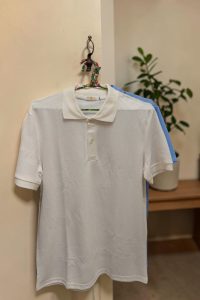
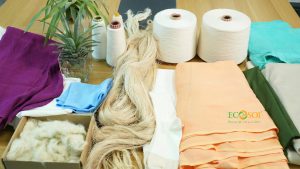
Thanks to balanced blending, Ecosoi fabrics retain their signature rustic appeal. At the same time, the cloth gains high physical strength and remains easy to maintain.
What should fashion brands check when sourcing pineapple fabrics?
When selecting plant-based textiles for new seasonal lines, sourcing teams should examine three essential criteria:
- Verify exact blend percentages: Confirm how much pineapple fiber mixes with cotton, linen, or spandex. This fiber ratio directly dictates fabric shrinkage and laundry care rules.
- Match fabrics to end uses: Everyday shirts require light drape and breathability. Conversely, tote bags, shoes, and home upholstery demand high tensile strength.
- Run trials on real fabric swatches: Sourcing teams should test wash shrinkage and colorfastness before placing large commercial bulk orders.
Five practical ways to prevent mold during humid seasons
Everyday shoppers can keep natural garments fresh by following simple maintenance habits:
- Dry clothes completely before storage: Never fold garments away when fabric hems still feel damp.
- Leave breathing space in closets: Avoid stuffing clothes tightly together so natural air can circulate freely.
- Use dehumidifiers: Run a room dehumidifier to maintain indoor humidity below 60% during rainy seasons.
- Wash worn clothes promptly: Never hang sweaty clothing next to clean garments inside a closed wardrobe.
- Treat musty odors immediately: If you detect a damp smell, wash the garment in warm water and dry it in the breeze.
Storage tips for B2B apparel factories during damp seasons
For garment factories and textile mills, moisture management in warehouses protects order quality:
- Store materials on pallets: Place yarn cartons and fabric rolls on pallets raised at least 20 cm above factory floors.
- Use sealed waterproof packaging: Wrap fabric rolls in protective PE plastic films during transport.
- Maintain warehouse humidity controls: Keep textile storage rooms well-ventilated so yarn spools do not absorb excess moisture.
- Check incoming lots: Measure moisture regain values on yarn cones before loading them onto knitting or weaving machines.
Conclusion: Understand materials to use them effectively
Ultimately, asking whether pineapple leaf fabric mold easily leads back to storage conditions and moisture control. Every natural fiber requires thoughtful maintenance to achieve a long lifespan.
Modern green fashion demands technical transparency. Rather than fearing humid weather, brands can select balanced fiber blends that remain durable and easy to clean.
Connect with Ecosoi: Request your material sample kit and discover data-backed fabric solutions for your next sustainable collection today.