 VIETNAMESE
Why Is Raw Material Traceability Becoming Increasingly Important?
In today’s global market, raw material traceability is becoming a strict must. Truly, it is no longer just a simple PR tool. Instead, it has become the core base for managing risks and building trust. For the textile industry, this helps businesses prove their legal standing and ensure supply chain transparency.
Nội dung chính:
What is Raw Material Traceability?
First, traceability is the ability to exactly find the original source of materials. Also, it allows you to track the whole material flow through every single production step.
According to the OECD, this is a vital part of supply chain management. Therefore, clear material traceability helps companies easily spot and actively reduce social and eco risks.
3 Reasons Why Traceability is a Strict Requirement
Pressure from Global Trade Deals and Laws
Today, many large nations are tightening transparency rules for the textile sector. Besides Europe, giant markets like the US and Japan are also taking action.
As a result, governments have passed strict laws on fashion traceability and eco-protection. Consequently, goods can only cross borders if they can prove clean origins and social duty.
ESG Reports Need Real and Objective Data
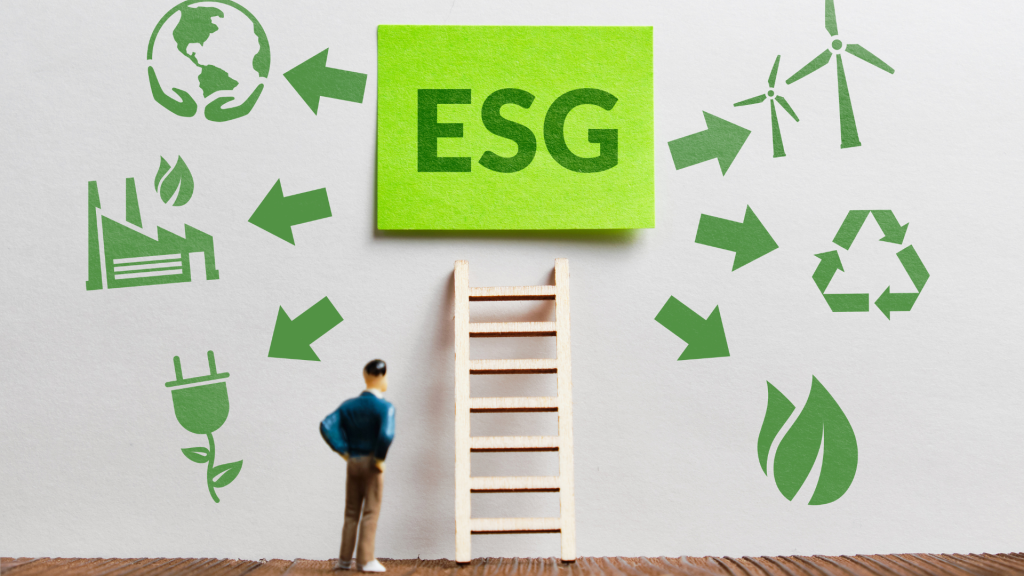
Currently, ESG in textiles (Environmental, Social, and Governance) is the common language of global trade. However, it must be built on real, measurable data.
According to the UN Environment Programme (UNEP), hiding the origins of textile materials destroys ESG trust. Without clear inputs, companies simply cannot measure their greenhouse gas emissions accurately.
The Shift in Market Trust
Furthermore, buyers and B2B partners no longer trust vague “green” claims. Instead, they demand hard proof, digital data, and independent checks.
Therefore, using clear raw material traceability helps brands avoid “greenwashing” risks. Ultimately, it protects long-term reputations and builds solid global trust.
Practical Benefits for the Textile Supply Chain
Naturally, the textile sector has a very long, complex, and broken supply chain. For example, a single product might travel through many countries from spinning to sewing. Therefore, a lack of transparency brings huge legal risks.
Conversely, clear origin data helps companies control quality much better. When keeping clear records, businesses can easily prove they follow local laws. Thus, this greatly reduces the risk of rejected export orders.
For B2B buyers, traceability in textiles is a massive, long-term strategic advantage.
Where Should Textile Businesses Start?
First, companies do not need to trace everything all at once. Instead, you should prioritize tracking key materials that make up a large share or carry high risks.
After that, start standardizing the most basic information. This includes the farm location, the main production steps, and the supplier records. Indeed, textile traceability is a long journey. Therefore, it requires consistency rather than just short-term projects. Ultimately, this builds a truly sustainable supply chain.
Conclusion
To sum up, raw material traceability is a solid foundation for sustainable growth. If businesses prepare early, they will optimize costs and easily adapt to global changes.
Every shopping choice you make reshapes the future of our Earth.
👉 Be a smart buyer by choosing products with clear origins. Follow the Ecosoi Fanpage to help us spread a green lifestyle and responsible fashion!