 VIETNAMESE
Why are more designers choosing agricultural-based materials?
In recent years, the sustainable fashion movement has become increasingly prominent, and agricultural-based materials are playing a key role in this shift. Designers are no longer focused solely on aesthetics and craftsmanship – they are also paying attention to environmental responsibility and material origin. So, what makes agricultural materials a top choice today?
Nội dung chính:
Green fashion trends: growing demand for sustainability
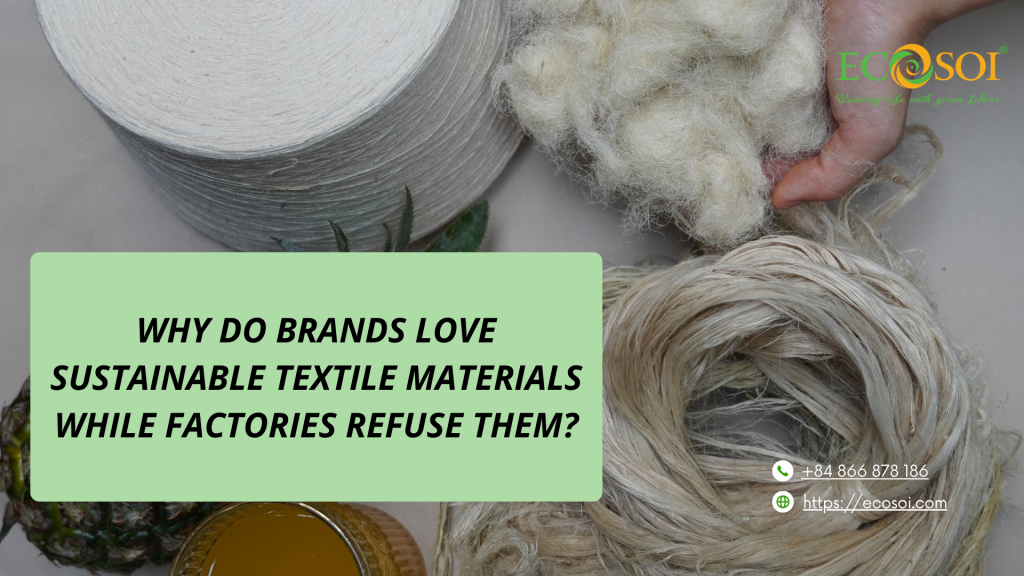
Fashion today is not only about aesthetics; it is also about responsibility. Consumers, especially younger generations, are showing greater interest in products with minimal environmental impact. Agricultural-based materials—including natural fibers such as pineapple leaf fiber, ramie, bamboo fiber, and other industrial crops—have become an eco-friendly solution.
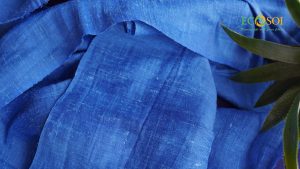


Designers understand that choosing natural materials not only reduces plastic waste and chemical usage but also enhances brand value, as customers increasingly appreciate socially responsible products.
Benefits of agricultural-based materials
Stability and diversity
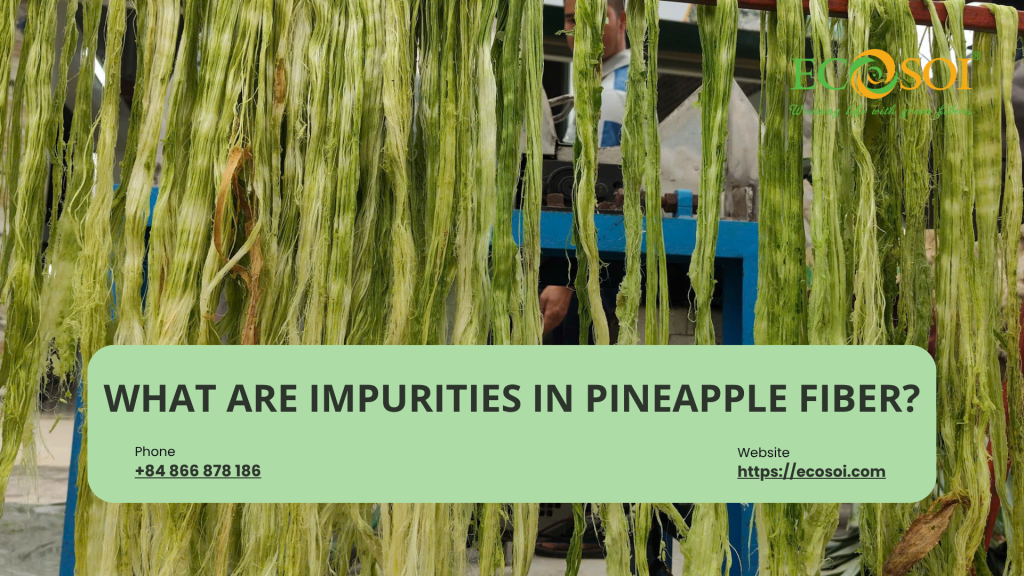
One key reason designers trust agricultural materials is their stable supply and consistent quality. Organic cotton is cultivated under strict chemical standards, bamboo fibers are treated to create softness, and pineapple leaf fibers are harvested and processed in a uniform manner.
Beyond that, agricultural materials offer a wide range of functions and applications. From natural fibers used in premium fashion to durable fabrics for interior design, designers have many options to express creativity without harming the environment. They can also be confident that these materials meet both aesthetic and technical requirements.
Aesthetic value and natural feel
Products made from agricultural-based materials often deliver comfort, natural texture, and softness—perfect for consumers seeking authentic experiences. Pineapple leaf fiber fabric, for example, offers excellent breathability, a smooth surface, and naturally neutral tones, making designs both modern and refined. Linen provides a cool, lightweight, and durable texture ideal for summer wear. Bamboo fibers are soft and naturally antibacterial, suitable for both clothing and bedding.
Additionally, the unique structure and fiber details of natural materials allow designers to create distinctive visual effects that stand out from conventional synthetic materials.
Environmental benefits: reducing carbon impact
The traditional textile industry is known for high water consumption and chemical usage, contributing significantly to carbon emissions. Agricultural-based materials such as pineapple leaf fibers help reduce environmental impact.
For example:
- Organic cotton minimizes pesticides and chemical fertilizers.
- Bamboo utilizes rapidly renewable resources, reducing deforestation.
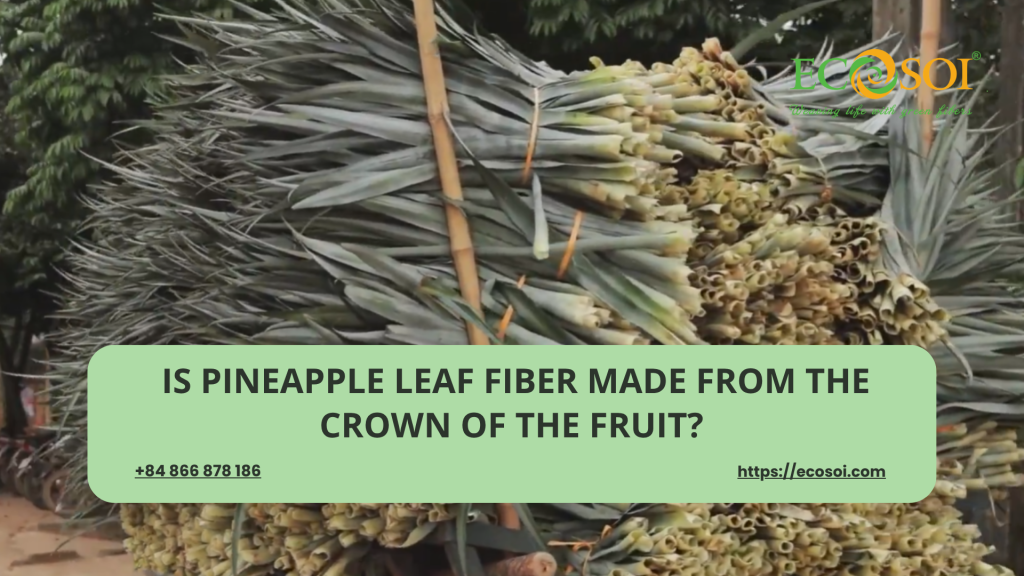
- Pineapple leaf fibers repurpose agricultural waste, preventing resource loss.
This aligns with circular fashion trends, where designers consider the entire product lifecycle—from material sourcing to recyclability.
Supporting farming communities and sustainable supply chains
Another advantage of choosing agricultural materials is the positive impact on farming communities. Using pineapple leaf fibers from Ecosoi helps secure stable income for pineapple farmers. Organic cotton reduces farmers’ exposure to harmful chemicals. Harvesting bamboo and linen creates local employment and preserves traditional craftsmanship.
Designers and B2B businesses can be confident that their products not only look good but also carry social value, contributing to a transparent and sustainable supply chain.
Competitive advantage in the fashion industry
As major fashion brands and renowned designers embrace agricultural-based materials, competition in the market grows stronger. Integrating sustainable materials allows emerging brands and B2B companies to enhance brand value, differentiate themselves, and attract environmentally conscious customers.
Ecosoi: providing stable solutions for designers
At Ecosoi, we supply pineapple leaf–based fibers, yarns, and fabrics produced from high-quality agricultural materials. Our strict quality control ensures consistent color, durability, and texture.

Designers can rely on our continuous and reliable supply, whether for large projects or seasonal production, without worrying about material shortages. Ecosoi partners with B2B customers to bring sustainable fashion ideas to life through natural materials.
The future of sustainable fashion
As environmental awareness grows, natural and sustainable materials will become even more prominent. Designers, brands, and B2B businesses are increasingly focused on:
- Reducing environmental and carbon impact
- Optimizing sustainable supply chains
- Delivering diverse, aesthetic, and refined products
This trend opens up significant opportunities for smart fashion, where creativity goes hand in hand with social and environmental responsibility.
Conclusion
More designers are choosing agricultural-based materials for many reasons: stable supply, aesthetic value, environmental benefits, and support for farming communities. The combination of creativity and social responsibility is shaping a new fashion trend—sustainable, elegant, and closely connected with nature.
Ecosoi is proud to accompany designers and B2B businesses by providing high-quality pineapple leaf fibers, yarns, and fabrics that help turn sustainable product ideas into reality.