 VIETNAMESE
Why Are Brands Paying More Attention to Plant-Based Materials?
In recent years, global brands are using more plant-based materials. Truly, this interest is not just a short trend. Instead, it shows a deep structural change. It changes how the textile industry views risks, costs, and long-term duties. Therefore, rather than just looking at design and price, brands are looking deeply at material origins.
Nội dung chính:
What Are Plant-Based Materials?
Basically, plant-based materials (or bio-based materials) come from renewable resources. These include crops, farm waste, or plant biomass.
In the textile industry, this group includes traditional natural fibers like cotton, linen, and hemp. Also, it includes new-generation bio-materials. Their main goal is to slowly replace oil-based synthetic fibers like polyester and nylon. Consequently, they act as great alternatives to synthetic fibers. Furthermore, the best shared trait of these materials is that they easily break down and reduce our need for fossil fuels.
4 Reasons Why Fashion Brands Are Changing Materials
Today, pressures from many sides force brands to rebuild their supply chains. Below are the core reasons for this big shift.
1. Reducing Reliance on Fossil Fuels
Currently, synthetic fibers make up the largest share of global fashion. However, they directly increase greenhouse gas emissions.
According to the UN Environment Programme (UNEP), cutting fossil fuel use is key to meeting climate goals. Therefore, plant-based materials have become the most practical and urgent fix.
2. ESG Rules and Global Legal Pressures
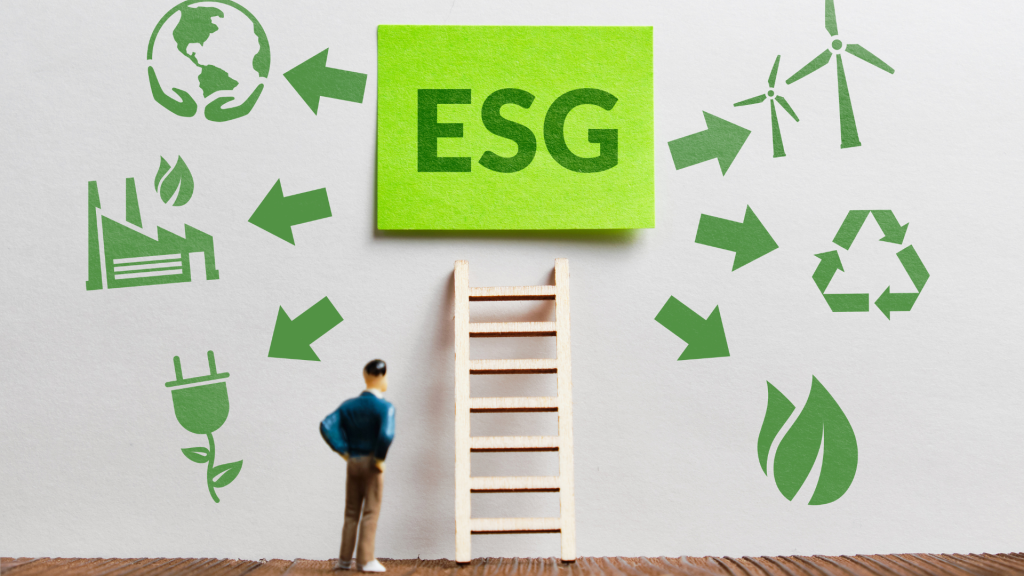
Today, ESG in the fashion industry (Environmental, Social, and Governance) is a strict global trade rule. Thus, showing a fully clear supply chain is now a must.
Material origins are now vital data, not just marketing talk. Indeed, giant markets like the US, Japan, and Europe are tightening their rules. As a result, many new laws demand clear tracking and carbon reports. Textile goods must prove they have a very low environmental impact.
Fortunately, sustainable materials in the textile industry have short, natural, and very clear supply chains. Therefore, they help brands easily pass legal barriers worldwide.
3. Mixing Up and De-risking the Supply Chain
Relying too much on fossil fuels hurts the textile industry. It makes the sector weak against oil price shocks and global fights.
Conversely, plant material supply chains often link to local farming areas. Using farm waste expands supply sources. Also, it boosts flexibility and lowers the risk of factory stops.
4. Changing Consumer Hopes
Modern buyers do not just ask how a product looks. More importantly, they strictly ask where it comes from. Therefore, they prefer brands that care about the earth.
According to the OECD, production models using renewable resources will shape our future economy. Thus, using plant-based materials in fashion helps brands show their true value. It builds solid buyer trust based on real data.
Are you a designer looking for inspiration from nature? Let’s explore the great traits of natural fibers with Ecosoi to build truly sustainable fashion lines!
Ecosoi: A Clear Plant Material Platform for Supply Chains
Textile making nations, including Vietnam, are becoming key links in the green shift. Using plant-based materials helps companies join the global value chain deeply.
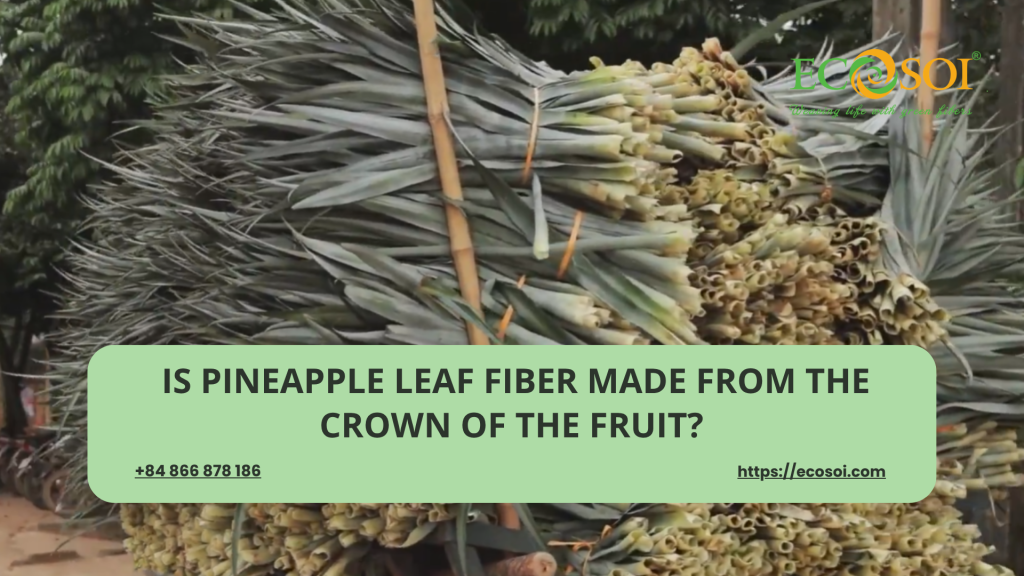
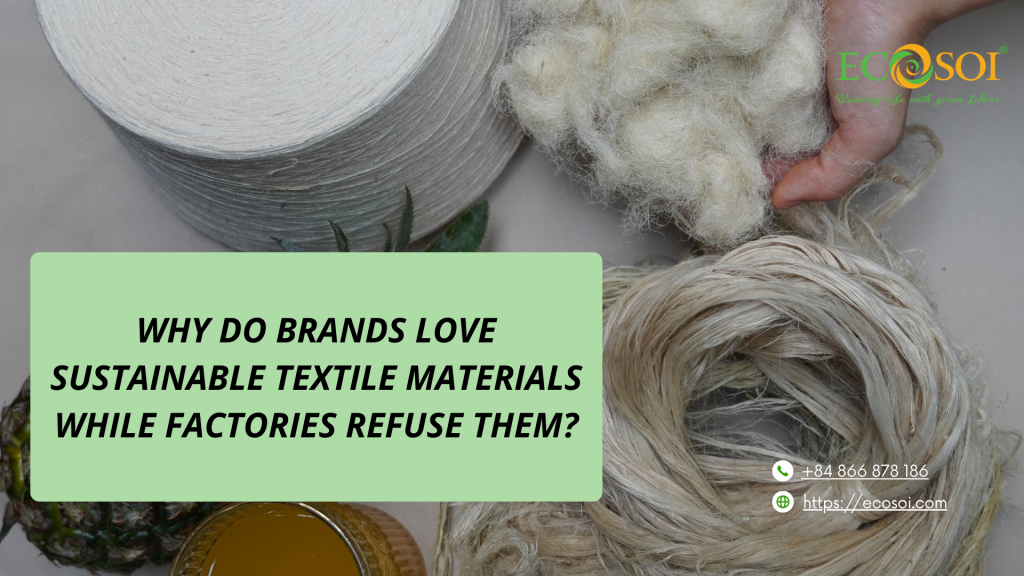
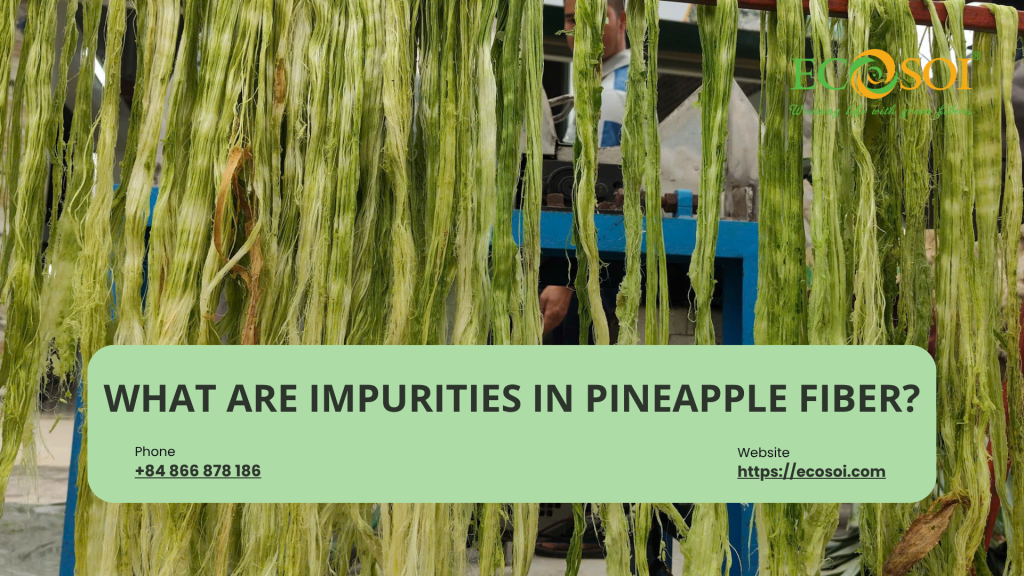
At Ecosoi, we see plant sources as the core base for a responsible supply chain. Specifically, Ecosoi provides fiber, yarn, and fabric from pineapple leaves. This is a very rich farm waste product.
To optimize features and costs, Ecosoi offers flexible blended fabrics. For example, we mix pineapple fiber with other natural fibers like hemp, linen, or cotton in many ratios. Ultimately, this approach helps Ecosoi supply high-quality fabrics that strongly support global brands.
Conclusion
In conclusion, the growing brand interest in plant-based materials is not a passing fad. Rather, it is the direct result of eco-pressures, legal walls, and long-term risk management needs. As the fashion industry reshapes itself, plant materials are a vital strategic choice.
Is your business facing pressure to track export origins?
👉 Contact Ecosoi now to get advice on blended natural yarns and try our real fabric samples!