 VIETNAMESE
Top brands using pineapple fabric to reduce environmental impact
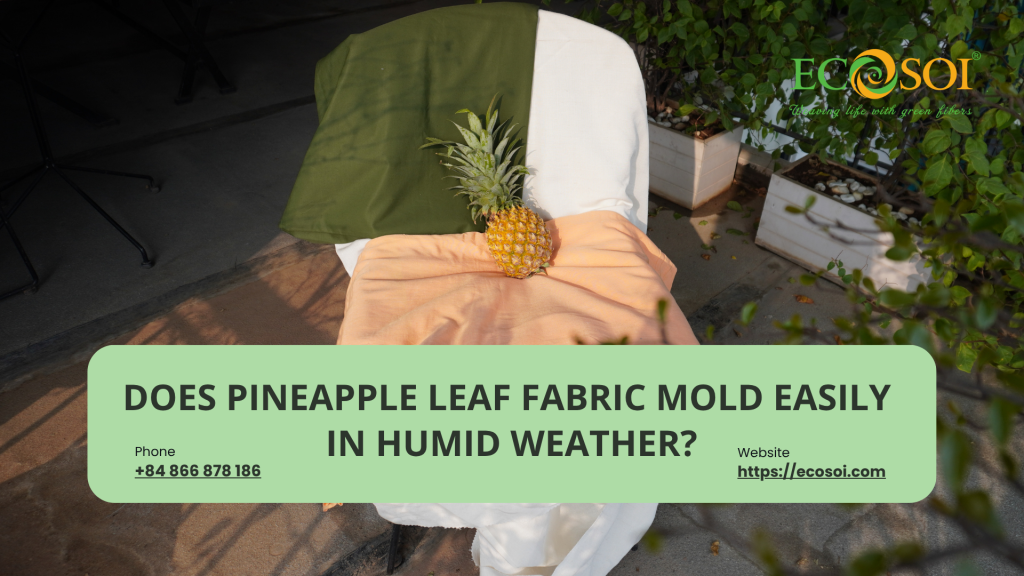
As the fashion industry faces growing pressure to reduce environmental damage, many major brands have turned to sustainable materials. One standout innovation is pineapple fabric, made from pineapple leaf fibers – an agricultural byproduct that is often discarded. Join Ecosoi to discover the global brands that are adopting pineapple fiber/fabric in their production processes!
Nội dung chính:
Why is pineapple fabric becoming a preferred choice in sustainable fashion?
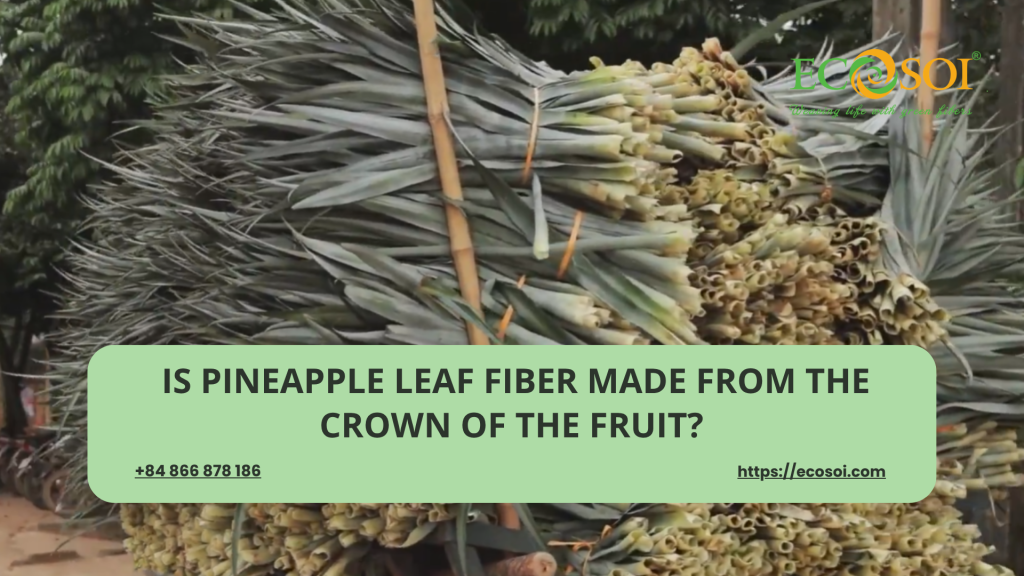
Pineapple fiber fabric is produced from the cellulose fibers of pineapple leaves and is quickly gaining recognition as a promising sustainable alternative. It not only helps recycle agricultural waste and reduce landfill overload, but also offers the following outstanding benefits:
- Strong, lightweight, and breathable
- High biodegradability
- No toxic chemicals needed during production
- Lower carbon emissions and water consumption compared to traditional cotton
Thanks to these advantages, pineapple fabric is increasingly embraced by major fashion brands aiming to adopt circular production models and minimize environmental impact.

Leading brands adopting pineapple fabric
Nike
As a giant in the sportswear industry, Nike has long invested in sustainable material innovation. Under its “Move to Zero” strategy (aiming for zero carbon and zero waste), Nike partnered with Ananas Anam – the creator of Piñatex – to experiment with pineapple fabric in select sneaker lines.
- Piñatex helps Nike significantly reduce the use of petroleum-based synthetic leather
- With its flexibility and durability, pineapple fabric can be used in both uppers and design elements
- While not yet mass-produced, prototype sneakers featuring Piñatex have gained attention at tech and sustainable design exhibitions

Source: Nike’s sneaker collection using pineapple fabric

Hugo Boss
German luxury fashion brand Hugo Boss introduced a men’s sneaker line made from Piñatex in 2018 — a flagship product in its eco-conscious fashion portfolio.
- Uppers made from Piñatex, organic cotton linings, and soles crafted from recyclable TPU
- No solvent-based adhesives were used in the production process, minimizing toxic emissions
- Marketed as a stylish and ethical choice for modern consumers

Source: Nike’s sneaker collection using pineapple fabric

H&M
Well-known for fast fashion, H&M is working to shift towards “fast but sustainable” fashion. In its 2019 Conscious Exclusive collection, H&M used Piñatex in accessories like high heels, handbags, and belts.
- This marked a pivotal move in H&M’s use of recycled and reused materials
- Pineapple fabric offers a modern look while helping the brand meet sustainability goals
- According to its sustainability report, H&M aims to use 100% recycled or sustainably sourced materials by 2030 — with Piñatex playing a key role

Image source: Internet

House of Marici
House of Marici is a British premium handbag brand that specializes in plant-based leather. Piñatex is a key material in its collections, especially for clutch bags and crossbody designs.
- The brand uses no animal-derived materials
- Products are made in Italy with high-end artisanal craftsmanship, combining luxury with sustainability
- From 2021 to 2023, House of Marici’s revenue increased by 65%, largely driven by Gen Z and Millennials seeking ethical fashion choices

Source: House of Marici bag made from pineapple fiber

Skunkfunk, Altiir, and VEERAH
- Skunkfunk (Spain): A sustainability-driven fashion brand that incorporates pineapple fabric into handbags and outerwear collections
- Altiir (UK): Uses Piñatex in vintage-inspired biker jackets that are both edgy and eco-friendly

Image source: Altiir pineapple leather biker jacke - VEERAH (USA): A women’s luxury heel brand that combines recycled materials with pineapple fiber to create “green glam” shoes.

Ecosoi – part of the sustainable fashion wave with “made in vietnam” pineapple fabric
Beyond international names, Vietnam’s own Ecosoi is proud to be a pioneer in researching, developing, and producing pineapple fiber from locally sourced agricultural byproducts.
Key highlights of Ecosoi:
- Invented and patented a pineapple fiber extraction method recognized as a utility solution
- Circular production model — zero waste: all agricultural residues are transformed into fiber or organic fertilizer
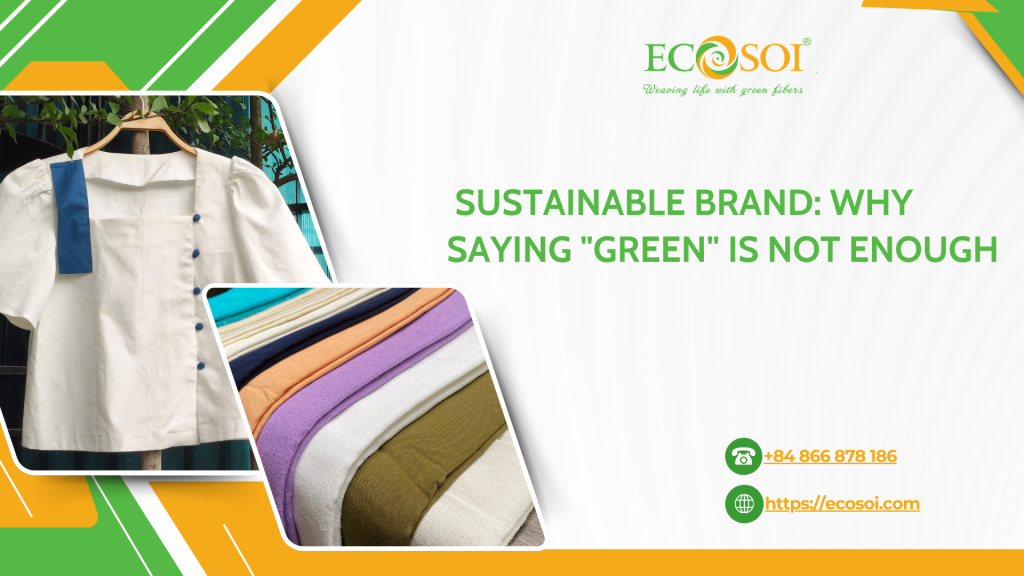
- Versatile product offerings: knitted fabrics, woven textiles, raw materials for fashion, interior, handbags, and packaging
- Exporting to demanding markets such as Japan, South Korea, and the EU
With a large-scale production system and a sustainable development philosophy, Ecosoi is not only a trusted supplier of premium pineapple fabric, but also a proud representative of Vietnam’s green fashion movement reaching global audiences.
Learn more about pineapple fiber and Ecosoi’s sustainable fabric collections at: https://ecosoi.com
Conclusion
The increasing use of pineapple fabric by leading global brands highlights the material’s great potential in the worldwide sustainable fashion trend. As a trailblazer in Vietnam, Ecosoi is honored to contribute to the green transition in the textile industry, offering environmentally friendly solutions from natural resources.