 VIETNAMESE
Standardizing Raw Pineapple Fiber to Control Impurities and Uniformity
Among new plant fibers, experts highly rate pineapple fiber. Its renewable origin makes it a top potential material in fashion. However, unlike cotton or linen, raw pineapple fiber has huge natural variations. If factories do not control it well, it can stop the whole production line. Therefore, standardizing raw pineapple fiber is the absolute key to success.
Nội dung chính:
Natural Traits of Pineapple Fiber and Technical Challenges
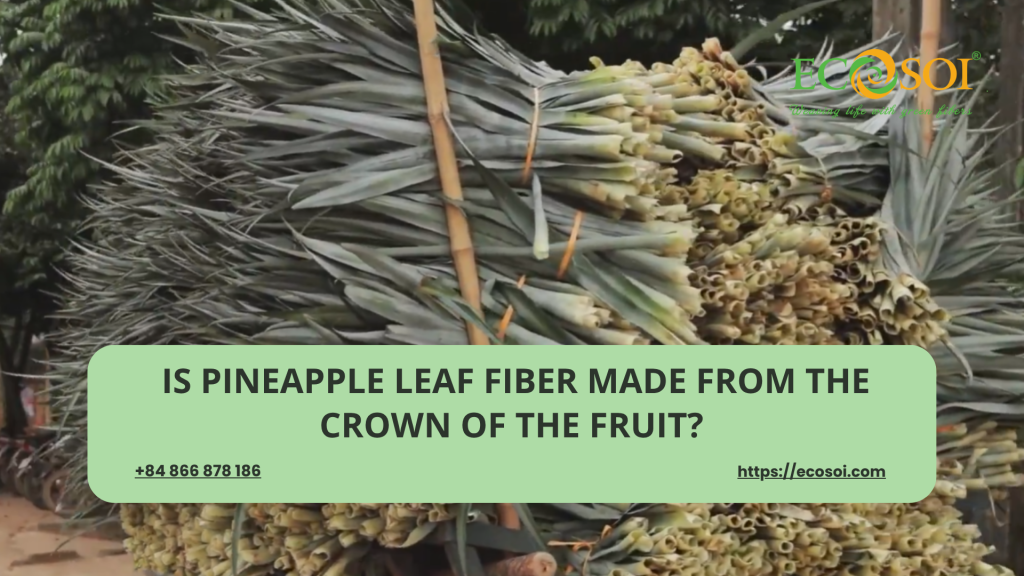
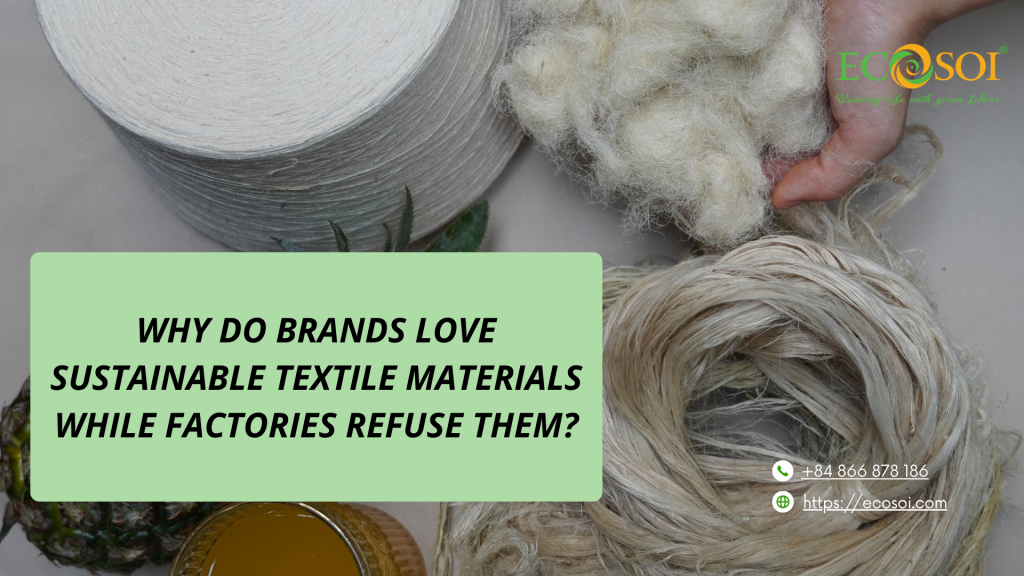
First, workers extract this fiber from pineapple leaves. This is a very rich farm waste product. According to the UN Food and Agriculture Organization (FAO), using these fiber materials from agricultural waste greatly reduces environmental pressure.
Yet, its biological origin brings big technical challenges. Specifically, raw pineapple fiber always varies greatly in length, fineness, and trash content. As a result, these factors directly affect carding, spinning, and overall yarn stability.
Negative Impacts of Impurities in Raw Fiber
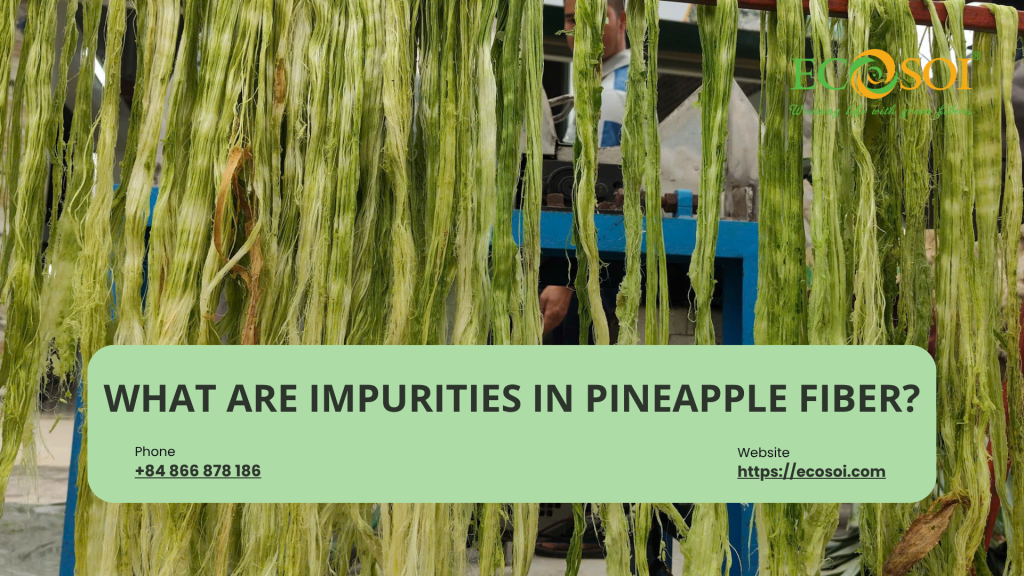
Usually, impurities in raw pineapple fiber include leftover leaf tissue, pectin, lignin, and dirt. If left unchecked, these wastes will seriously wear down factory machines.
In real factories, these impurities lower carding efficiency and break yarns constantly. Consequently, in industrial lines, this leads to high waste and uneven product quality. Thus, controlling natural fiber impurities is extremely vital.
Core Criteria for Standardizing Raw Pineapple Fiber
Basically, standardizing raw pineapple fiber is the process of keeping technical specs stable before spinning. This step helps reduce natural variations to the best possible level.
Controlling Cleanliness and Removing Waste
First, cleanliness must be the top priority. Factories must clean pineapple fiber mechanically and use microbes to remove all organic waste. Ultimately, a stable cleanliness level improves carding and greatly reduces yarn defects.
Standardizing Length and Fineness
Second, fiber length directly affects how well it binds during spinning. Therefore, sorting and cutting the fiber helps it fit different machine systems perfectly. Indeed, this is the most important step to boost product evenness.
Controlling Optimal Moisture
Finally, plant fibers are very sensitive to moisture changes. Unstable moisture will alter the friction and breaking strength of the fiber. Thus, standardizing moisture helps the whole production line run much more smoothly.
Uniformity: The Key to Large-Scale Yarn Production
Industrial spinning lines are built to handle highly stable raw materials. When fibers are too uneven, machines must run outside their best ranges.
Conversely, high pineapple fiber uniformity helps reduce yarn breaks and improves the surface. More importantly, it helps the fiber mix easily to create natural blended yarns. Truly, this is vital for using pineapple fiber in commercial knitting and weaving.
ESG Demands and International Standard Barriers
Currently, a specific global standard for pineapple fiber is still in progress. However, according to ISO, building internal technical specs is a needed step for trade.
Besides technical factors, standardizing also creates a steady data system. Today, export brands strictly demand clear tracking info. Therefore, a standardized material source completely removes greenwashing risks.
Understanding materials is the first step to becoming a responsible buyer. Follow the Ecosoi Fanpage to catch the most interesting facts about sustainable fashion!
Ecosoi: The Platform for Standardized Pineapple Fiber in Vietnam
At Ecosoi, standardizing raw pineapple fiber is a vital rule. It is the solid base that lets us produce pineapple yarn on a large industrial scale.
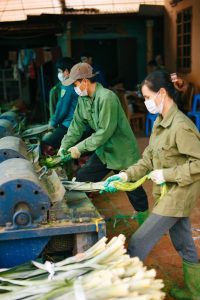
Furthermore, Ecosoi strictly controls the smoothing and trash removal process. Thanks to this, our fiber always achieves excellent technical specs and uniformity.

This advantage allows Ecosoi to offer very flexible blended yarns. Specifically, we can mix pineapple fiber with cotton, linen, or hemp in any ratio you need. Ultimately, this approach helps Ecosoi meet the strictest technical demands from our B2B partners.
Conclusion
To sum up, standardizing raw pineapple fiber is not just a factory trick. Instead, it is a strict must to make pineapple fiber a trusted material. By controlling trash well, pineapple fiber in the textile industry will play a key strategic role in the circular supply chain.
Are you looking for a standardized pineapple fiber source that easily fits your current production line? 👉 Visit the Ecosoi Website or contact us right now to receive real fiber and yarn samples!