 VIETNAMESE
Natural vs. Synthetic Fibers
The debate between natural and synthetic fibers remains a contentious topic in the fields of textiles and fashion, as both are widely used materials in our daily lives. Choosing between synthetic and natural fibers for clothing continues to be an open question without a definitive answer. Many people still lack a clear understanding of how to differentiate and compare natural fiber fabrics with synthetic ones. Through this news, Ecosoi aims to provide you with a more objective and comprehensive understanding of these two types of fibers.

Nội dung chính:
Definition
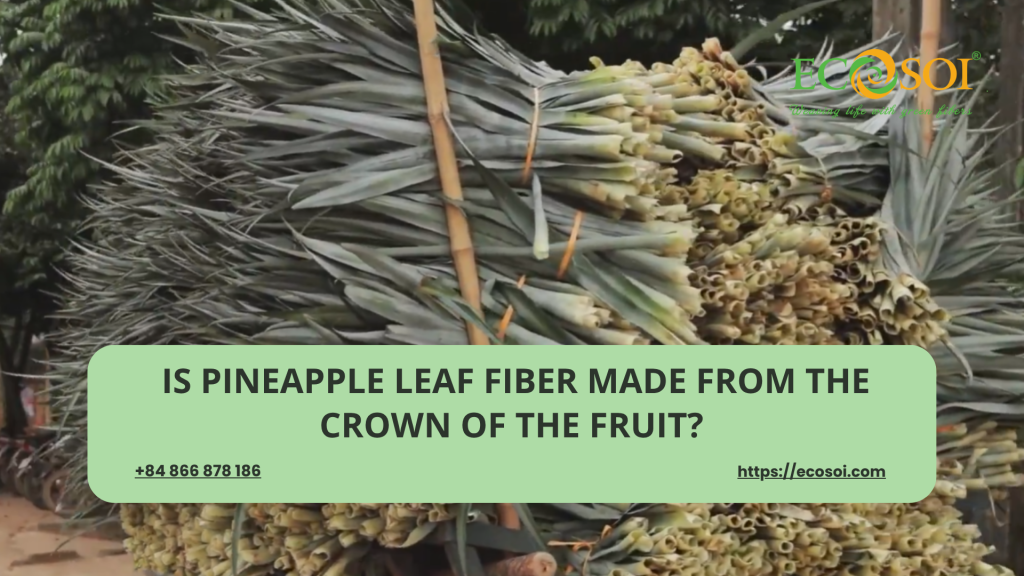
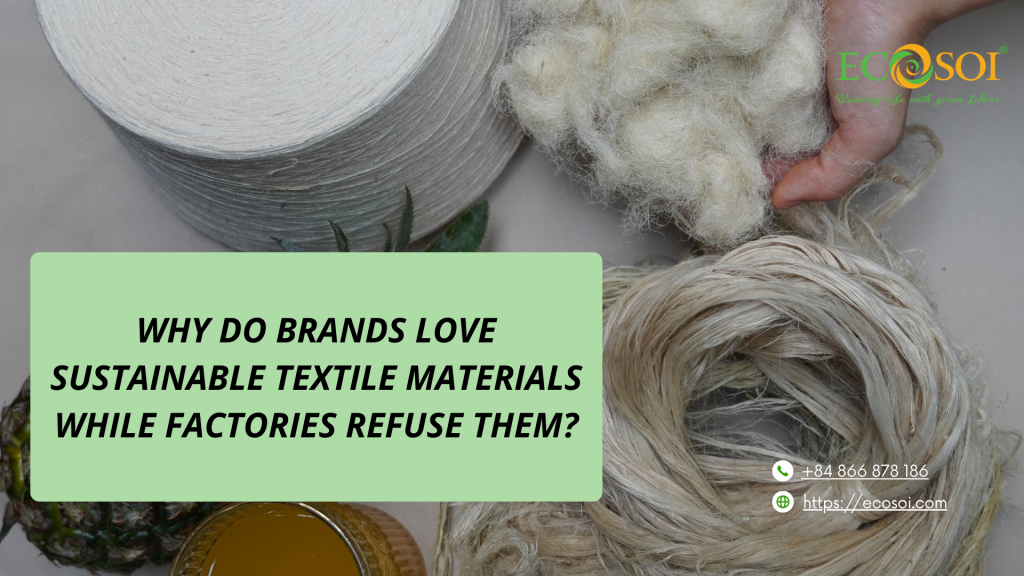
Natural fiber, any hairlike raw material directly obtainable from an animal, vegetable, or mineral source and convertible into nonwoven fabrics such as felt or paper or, after spinning into yarns, into woven cloth. A natural fiber may be further defined as an agglomeration of cells in which the diameter is negligible in comparison with the length. Although nature abounds in fibrous materials, especially cellulosic types such as cotton, wood, pineapple leaf, grains, and straw, only a small number can be used for textile products or other industrial purposes.
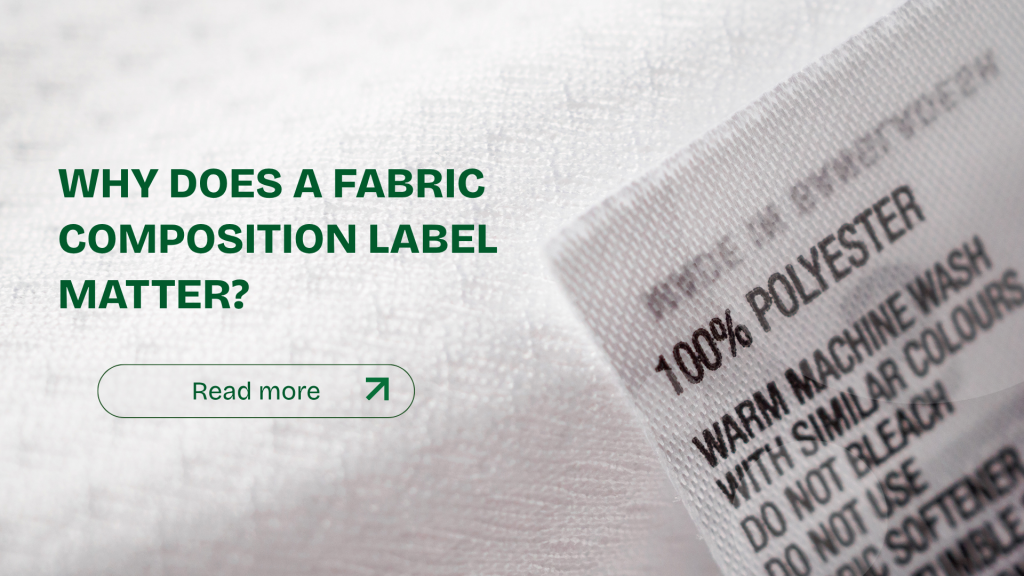
Synthetic Fibers Created from chemical ingredients such as polyester, nylon, viscose, and acrylic through industrial manufacturing processes.
Difference Between Natural & Synthetic Fibers
- Natural fibers occur in fiber form in nature as opposed to synthetic fibers which are manufactured.
- Natural fibers are cellulose-based, protein-based, or mineral-based. Because cotton comes from a plant, it is cellulose-based.
- Some manmade fibers are cellulose-based. Rayon raw cellulose, for example, is sourced from cotton, wood pulp, various grasses, and bamboo. Unlike wholly natural fiber, though, these cellulose-based end fibers have been chemically altered from their natural state to produce the new, manmade fiber.
- Synthetic polymer-based fibers are made from chemical polymers not found in nature and, unlike natural fibers, are mainly insoluble (do not break down in water). Some of these include nylon, acrylic, spandex, and polyester.

Choose Natural Fibers
While manufactured fibers are manmade using materials like glass, metal, and plastic, natural fibers are processed and prepared for market without the use of any environmentally destructive synthetic filler fibers.
Choosing natural makes a difference when it comes to a product’s end-of-life. Cotton fiber breaks down significantly more quickly in nature than man-made fibers. More importantly, rather than just breaking up into smaller pieces that get spread out across the earth and ocean, natural fibers degrade, diminishing the total mass of materials left on the planet after the product loses its usefulness. Ultimately, this means less landfill material and fewer ocean microplastics.
(Sources: Cottonworks)