 VIETNAMESE
Circular Economy in the Textile Industry: Real Social Impact or Just a Marketing Buzzword?
Today, the “circular economy” is a huge buzzword in global fashion. From ESG reports to B2B pitches, this term appears everywhere. However, a big core question remains. Does the circular economy in the textile industry truly create a social impact? Or, is it just a polished marketing trick? Therefore, this article will deeply analyze the truth. Ultimately, it helps you spot real value and avoid greenwashing traps.
Nội dung chính:
The True Nature of the Circular Economy in Textiles
Basically, a circular economy is an economic model that reduces raw resource mining. Also, it extends material lifespans and recycles resources.
In the fashion world, this model often means using farm waste and recycling yarns. Plus, it involves designing a transparent sustainable supply chain. According to the OECD, a circular economy textile model is not just a technical upgrade. Instead, its core is a total change in how we create and share value along the supply chain.
The Truth: It Does Not Automatically Create Social Impact
Currently, a very common myth exists. Many people think that just using this model automatically creates social good.
In reality, the term itself changes nothing. Suppose a brand does not truly change how it buys materials or pays workers. In that case, the model is purely technical. Sadly, many “circular” ideas today only focus on cutting waste. Meanwhile, they completely ignore improving workers’ lives.
When Done Right, Real Social Impact Happens
This model only shows its true power when deployed correctly. Specifically, this matters most at the start of the supply chain.
Using Farm Waste to Create New Jobs
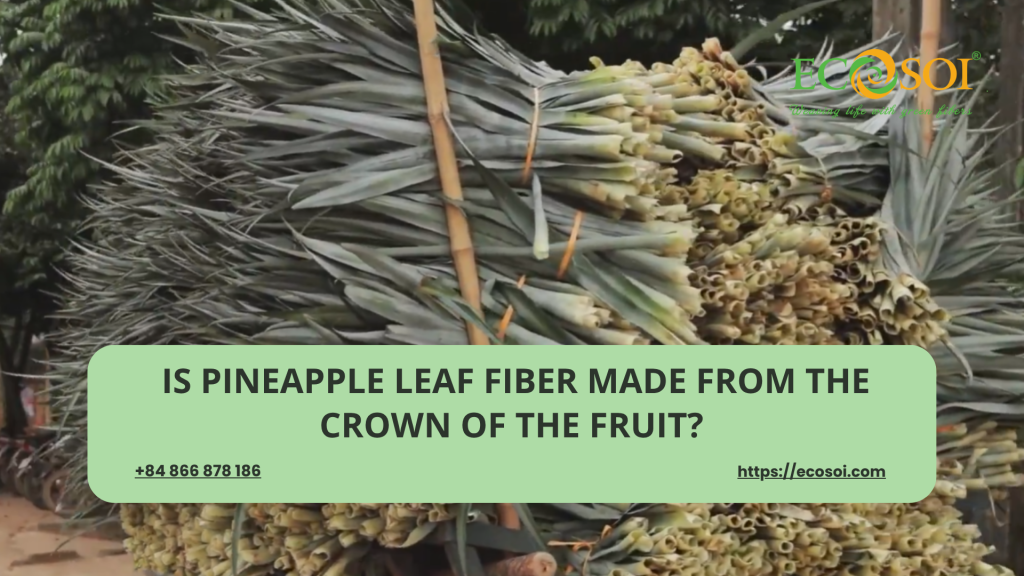
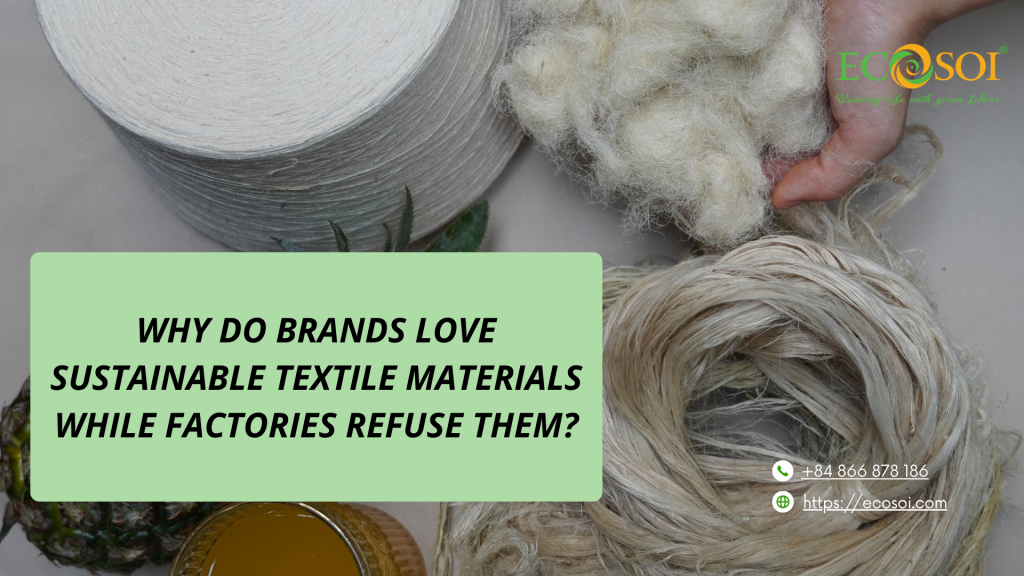
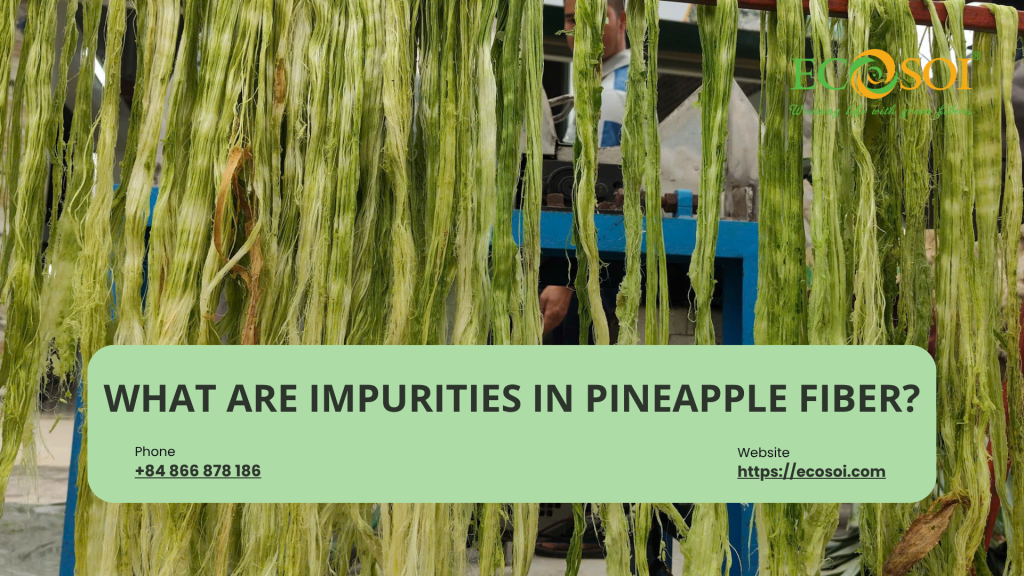
First, using pineapple leaves or banana stems solves trash problems. Furthermore, it directly adds economic value to farm waste. This creates stable income for farmers and reduces reliance on main crops. According to the UN Environment Programme (UNEP), circular farm models greatly help reduce local poverty. Truly, this is a real social impact in textiles.
Extending Material Life to Ease Eco-Pressure
Second, when we reuse materials longer, land and water pressures drop clearly. Indirectly, this protects the living environment and health of local farm communities.
Supply Chain Transparency Boosts Social Duty
Finally, the circular economy in the textile industry must include strict traceability. Clear data helps stop labor abuse. Also, it ensures safe workplaces and boosts corporate social duty.
The Key Point: Who Truly Benefits?
Often, brands abuse the “circular” keyword just for marketing. They use the label but never improve worker conditions or share clear data.
To uncover the truth, we must ask the most important question. Do not ask, “Is this model circular?” Instead, ask, “Who is benefiting?”
If only the brand wins marketing points, that is pure greenwashing. Conversely, if factories, farmers, and locals share the value, that is real social impact. According to the ILO, true sustainable growth only happens when value is shared fairly.
Ecosoi: Linking the Circular Economy with People
For B2B export brands, this model is a strict risk management and ESG in textiles tool. A model without clear social impact will easily fail to convince long-term partners.
At Ecosoi, we deeply understand that this economy only matters when it serves people. Using pineapple leaves for sustainable materials is not just a green fix. We directly create stable jobs for farmers in Thanh Hoa and Nghe An.
Besides that, Ecosoi makes real social impacts through a strategic partnership with KYMVIET. Basically, this is a social enterprise that creates jobs for disabled people to make meaningful textile gifts.
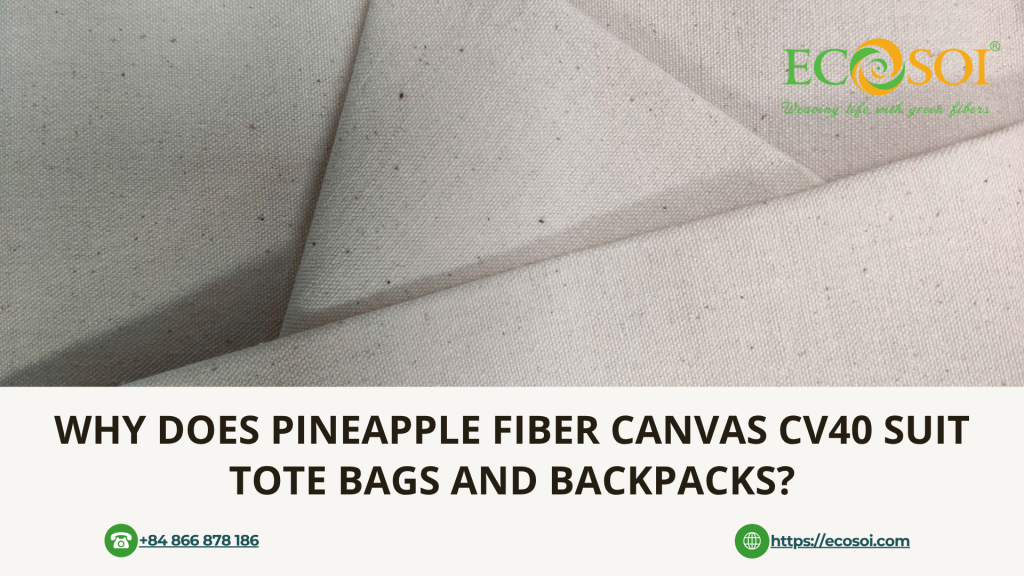
Technically, Ecosoi ensures high usability by offering natural blended yarns. We mix pineapple yarn with cotton, linen, or hemp. Ultimately, this solution helps B2B brands easily use circular materials while keeping 100% supply chain transparency.
Conclusion
To sum up, the circular economy in the textile industry is not a magic wand. It only gains meaning when done truly, backed by data, and linked to human benefits. Facing global ESG pressure, businesses no longer have a choice. You must choose to do it right, not just for show.
Is your brand looking for a circular material solution with real social impact to complete your ESG report? Visit the Ecosoi Website today to get expert advice on 100% traceable blended pineapple yarns!