 VIETNAMESE
What True Values Should You Expect From Pineapple Fiber?
Recently, experts talk a lot about pineapple fiber in green fashion. In fact, using farm waste seems like a perfect eco-friendly fix. However, we must not expect too much. Instead, we must clearly learn the true values this material brings to textiles. Therefore, this article will explain what you should truly expect from pineapple fiber. Specifically, we will look at technical, supply chain, and market views.
Nội dung chính:
What is Pineapple Fiber and How is it Made?
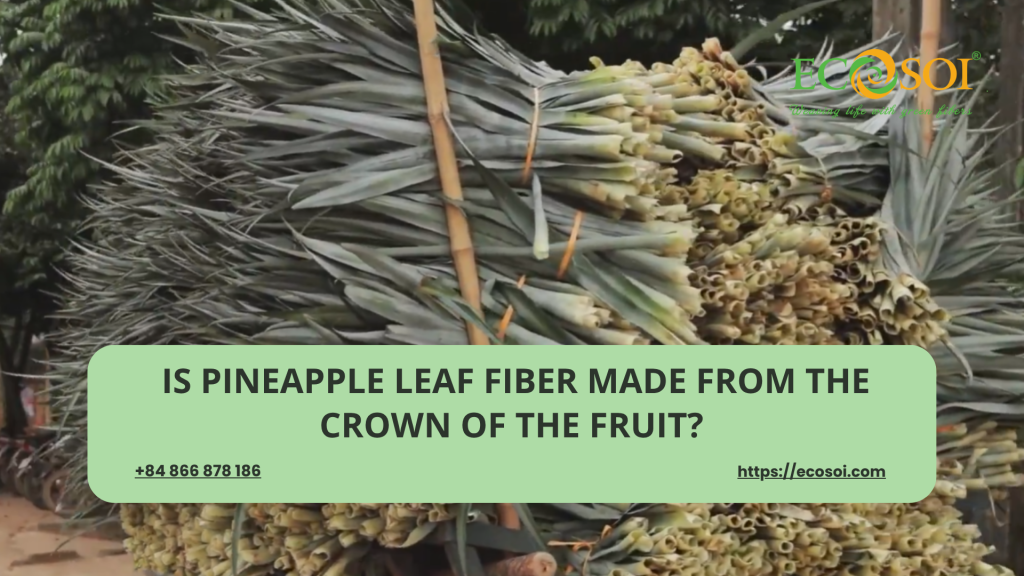
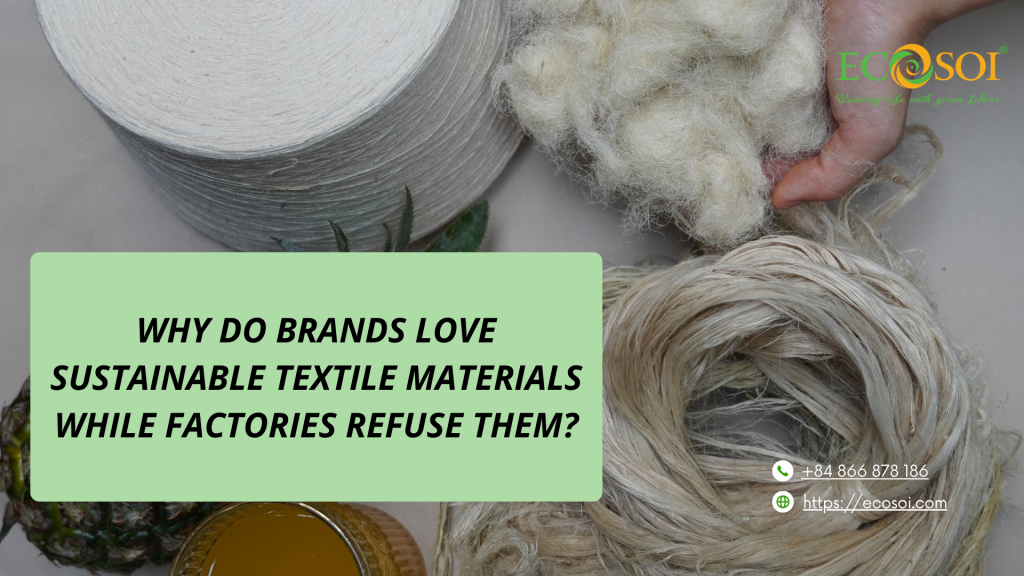
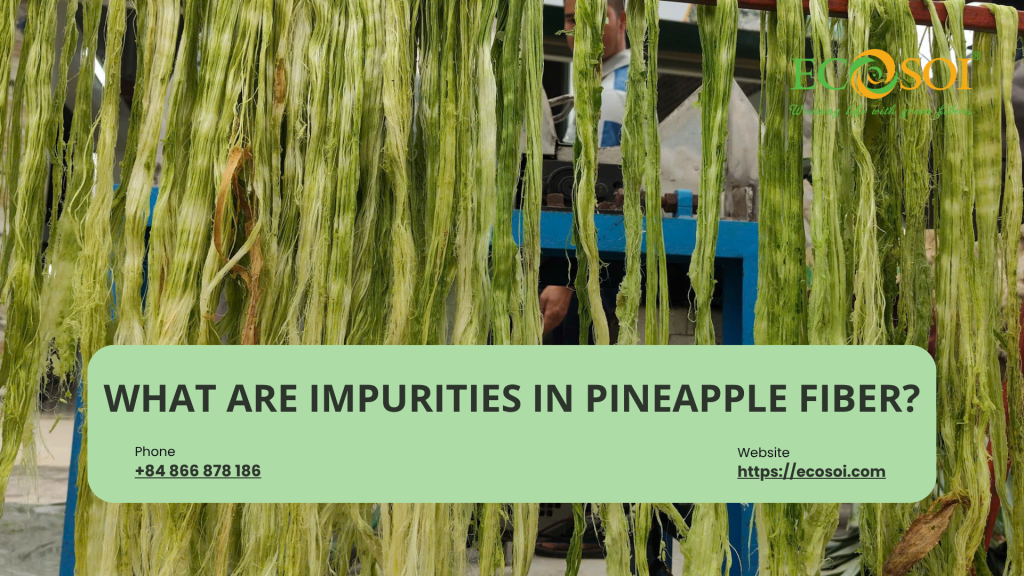
First, pineapple fiber comes right from pineapple leaves after the fruit harvest. Usually, farmers just throw away or burn these leaves. Basically, the step-by-step process to make this material includes:
-
Collecting fresh pineapple leaves.
-
Extracting the fiber using basic machines.
-
Cleaning and treating the raw fiber.
-
Spinning or mixing it with other yarns.
Naturally, plant fibers always need careful washing before spinning. Thus, the true value does not mean “zero processing.” Rather, it means using smart, safe, and highly controlled methods.
6 Core Values You Should Expect From Pineapple Fiber
Utilizing Agricultural Byproducts
First, the best value of pineapple fiber is reducing farm waste. Every year, millions of tons of leaves just rot or burn. Instead, saving this waste helps us greatly:
-
Cut down bad trash in nature.
-
Reduce pressure on cotton, which needs lots of water.
-
Make full use of the whole crop.
Still, we must note an important fact. Using farm waste is just the start. Ultimately, it does not prove total sustainability on its own.
Diversifying Textile Material Sources
Second, the clothing world faces big risks today. Sadly, it relies way too much on cotton or polyester. Fortunately, sustainable pineapple fiber brings safe options:
-
A brand new plant-based yarn source.
-
A great way to avoid sudden material shortages.
-
Fresh chances to build unique niche markets.
For fashion brands, this brings a smart, long-term edge. Clearly, it is not just a quick trend.
High Value in the Right Applications
Third, pineapple fiber is never a magic fix for everything. Yet, when makers use it right, it works wonderfully. Specifically, it fits perfectly for:
-
Classic woven and craft fabrics.
-
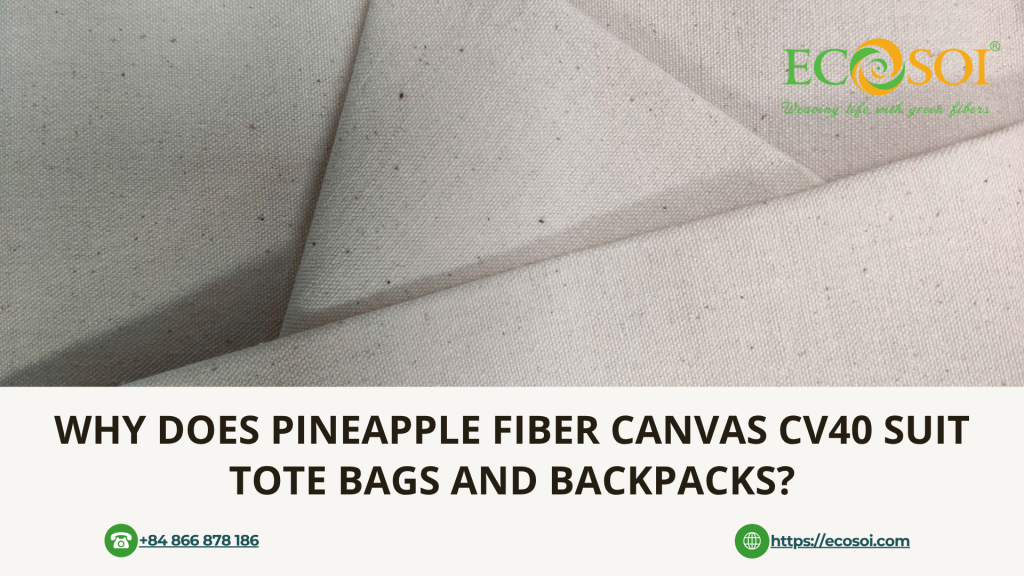
Blended yarns mixed with cotton or viscose to boost strength.
-
Stiff fashion items, bags, shoes, and home decor.
Therefore, hoping it will fully replace cotton is silly. Indeed, its real power shines through smart, picky choices.
A Strong Origin Story (With Real Data)
Next, today’s buyers strictly demand clear honesty. Thus, this fiber wins big with its green story. However, this story only works if brands provide:
-
Perfect supply chain tracking.
-
Clear facts about the farm areas.
-
Strict records of the factory cleaning steps.
Without hard facts, big ads easily become fake “greenwashing.”
Socio-Economic Value at the Right Scale
Furthermore, well-planned factories bring real social changes to local areas:
-
Giving farmers extra money.
-
Stopping the bad habit of burning leaves.
-
Building a strong, local green economy.
Of course, these good things do not just happen by magic. Basically, it depends totally on fair buying and honest business deals.
Environmental Value (Looking at Total Impact)
Finally, sustainable textile materials are only truly “green” if they meet strict rules:
-
Factories must closely watch the fiber cleaning steps.
-
Managers must save water and energy daily.
-
Workers must safely clean all dirty wastewater.
Otherwise, toxic factory steps will destroy all early green benefits. Therefore, we must always judge the eco-value from start to finish.
What You Should NOT Expect From Pineapple Fiber
To avoid silly mistakes, you must clearly face reality:
-
It is not perfect: The yarn feels stiff if you do not mix it well.
-
It is not always cheaper: Right now, picking leaves by hand costs a lot of money.
-
It cannot replace everything: Basically, it is just a helpful extra option.
-
It is not automatically “green”: It fails completely if factories dump dirty water.
Ultimately, setting the right hopes helps brands make very smart choices. Consequently, they will stop chasing fast, empty trends.
Ecosoi’s View on Bio-Based Materials
At Ecosoi, we never call pineapple fiber a magic trick. As a raw fiber supplier, we see it as a serious choice. Thus, it needs strict care from the farm to the final buyer. Truly, its value only lasts when workers extract it safely. Also, it needs clear data and the right place in the supply chain.
Conclusion
To sum up, pineapple fiber brings huge value to green fashion. However, it cannot grant every wild wish.
👉 The true value lies in how humans treat the plant. Also, it depends on the supply chain and smart daily use. Ultimately, understanding it correctly is the absolute base of real sustainable growth.
Frequently Asked Questions (FAQ) About Pineapple Fiber
1. Is pineapple fiber durable?
Yes, it is very tough. Naturally, this leaf fiber has high strength. Plus, it handles strong pulls well. When mixed properly with cotton, it creates a strong, cool, and long-lasting fabric.
2. What products suit pineapple fiber best?
Because it absorbs sweat well and holds its shape, it works perfectly for crafts. Also, it is great for home decor, bags, and stiff clothing styles.
3. Where can I buy standard sustainable pineapple fiber?
If your business needs clear bio-materials, Ecosoi is here to help. Proudly, we make sustainable pineapple fiber right here in Vietnam. We supply top-quality raw fiber with clear tracking data. Contact Ecosoi today for fast advice!