 VIETNAMESE
How to Identify Sustainable Fashion: A Guide for Smart Consumers
Today, sustainable fashion appears often in media ads. However, not every “green” label means an item is truly eco-friendly.
Therefore, learning the facts helps buyers avoid vague claims. At the same time, your smart choices force companies to improve their supply chains. According to the UN Environment Programme (UNEP), responsible buying is the main key to changing the whole industry.
So, how can you identify sustainable fashion accurately?
Nội dung chính:
Sustainable Fashion is Not Just About “Green Materials”
First, a common mistake is linking sustainable fashion only to organic materials. In fact, true sustainability must cover the product’s whole life cycle.
This journey includes material sourcing, making, labor rules, shipping, use, and final disposal. Therefore, buyers need a broad view instead of looking at just one single detail.
5 Signs to Identify True Sustainable Fashion
To avoid marketing traps, you can judge eco-friendly fashion using these core signs:
1. Clear Materials and Origin Tracking
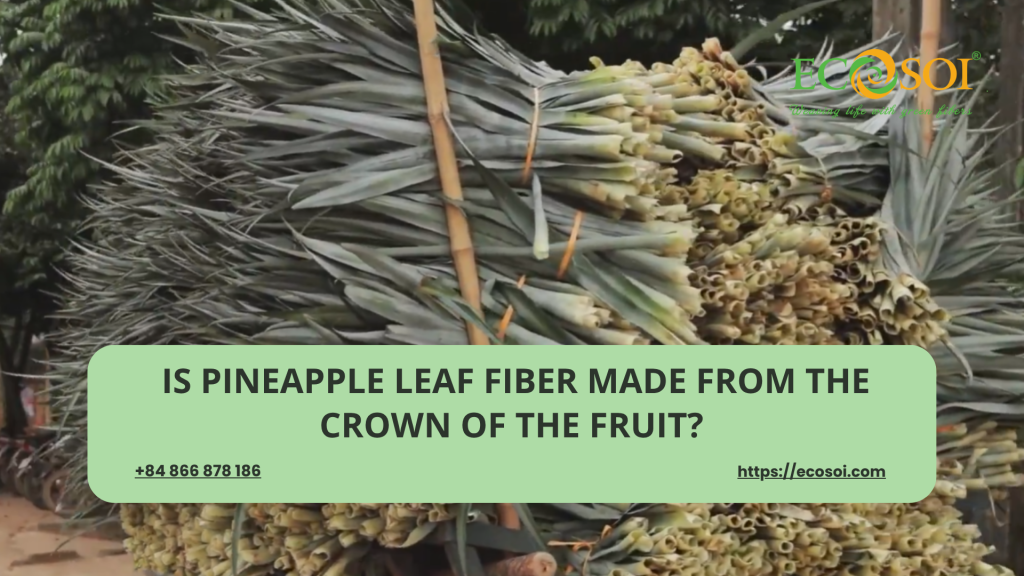
First, a true sustainable fashion product always shares its material origins clearly. This data goes beyond simple names like cotton or pineapple fiber. Instead, it must include farm locations and exact processing methods.
Today, textile traceability is becoming very important. Serious companies will always provide real data rather than empty ad stories. Thus, you must watch out for vague words like “eco-fabric” that lack hard proof.
2. The Presence of Independent Certifications
Second, third-party approvals are the strongest tools against “greenwashing”. Basically, they provide clear rules and very strict testing steps.
According to the OECD, independent sustainable fashion certifications play a vital role in protecting buyers. Therefore, when a brand openly shares its eco, origin, and labor papers, it shows true honesty.
3. Ensuring Fair Labor and Social Factors
Third, sustainability cannot ignore human factors. Truly, an item is never green if it comes from abused workers.
According to the International Labour Organization (ILO), following fair labor rules forms the base of any good supply chain. Consequently, responsible brands always publish their safety rules and fair wage proofs for workers.
4. Designing for a Long Product Life
Next, to identify sustainable fashion, you must look at design and recycling limits. A good item is built to last, easy to fix, and ignores short trends.
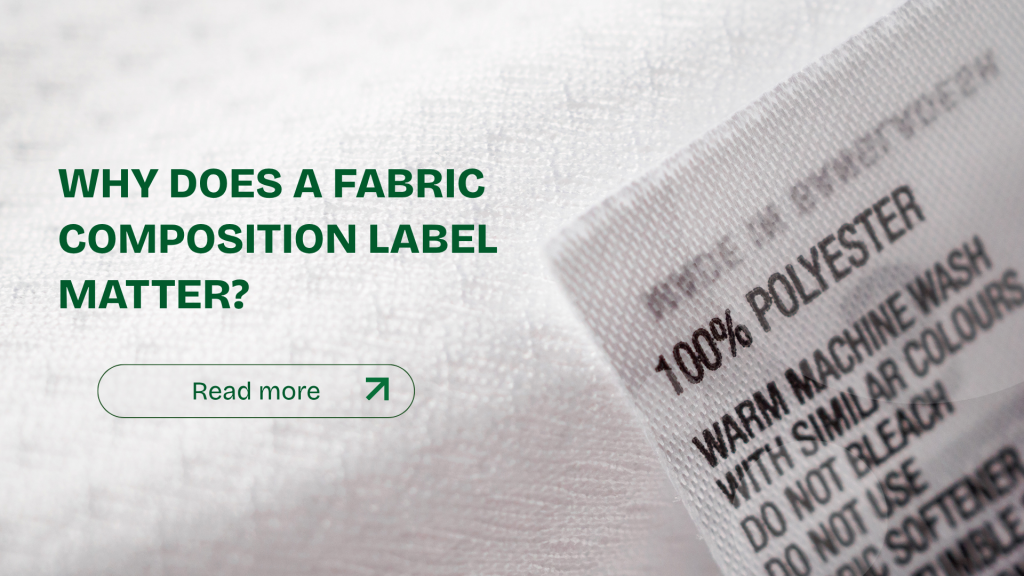
Ultimately, this extends the product’s life and heavily cuts down on textile waste. You can easily check this factor by looking at seam quality, fabric structure, and clear care tags.
5. Fair Prices and Clear ESG Reports
Finally, super cheap clothes often hide dark social and eco costs. Sadly, these hidden costs do not vanish; they just hurt local communities instead.
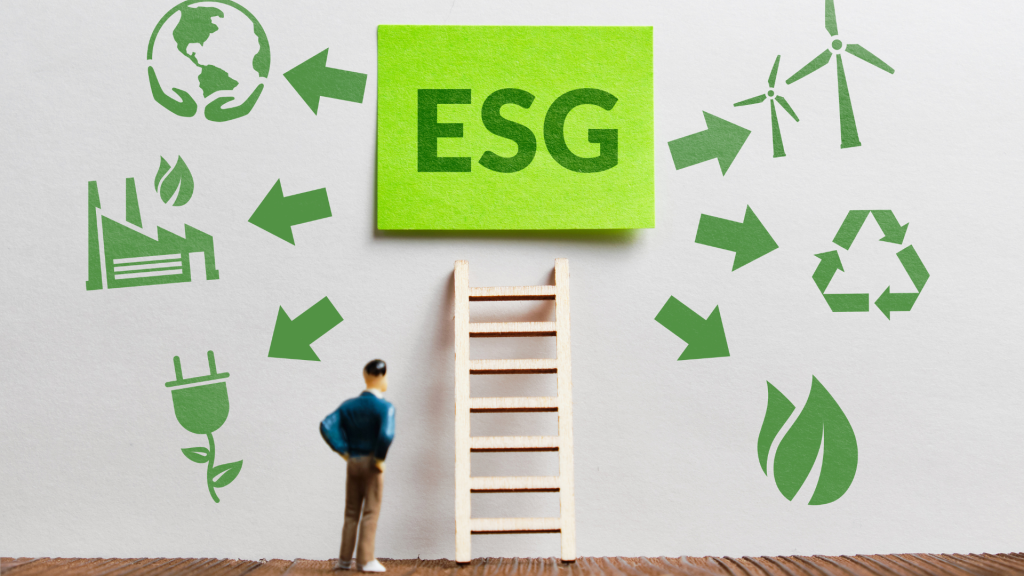
Besides a fair price that shows true value, ESG in the fashion industry (Environmental, Social, and Governance) is a vital measure. According to the European Commission, clear ESG data will soon become a strict legal must.
Warning Signs of “Greenwashing” to Avoid
When shopping, if you see these signs, you must think twice:
-
First, brands claim their item is “green” but offer zero data proof.
-
Second, they use vague words and green packaging just to trick your eyes.
-
Third, they heavily promote one tiny detail (like recycled boxes) while ignoring their dirty factory steps.
-
Lastly, they strictly hide all supply chain details or factory addresses.
Ecosoi: Committing to Transparency for Circular Fashion
As a huge textile hub, Vietnam faces massive pressure to go green. Today, demands for a clear supply chain hit both global brands and local makers.
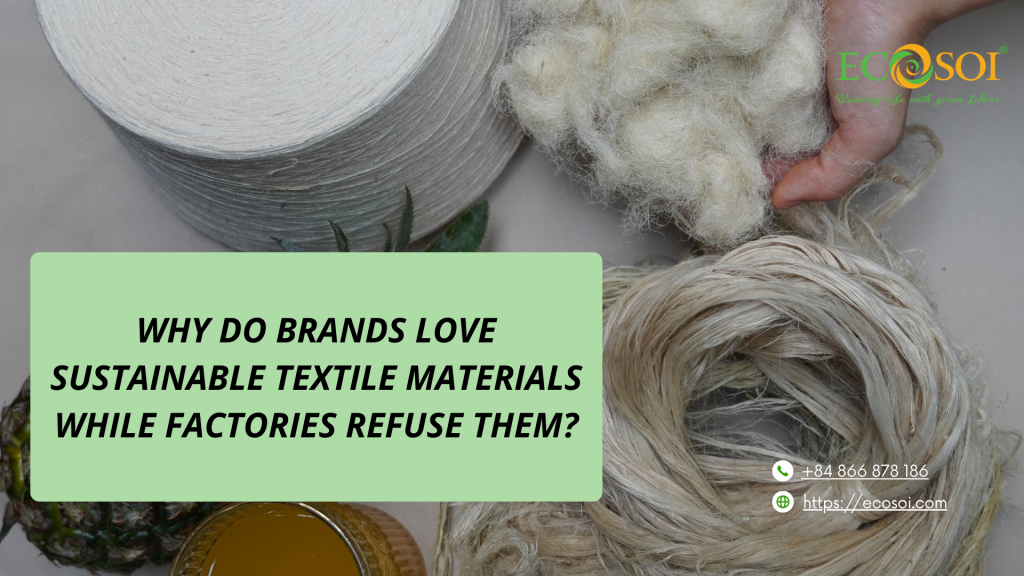
At Ecosoi, clear materials and tracking act as our guiding stars. For example, our pineapple fiber and Pina Linen fabrics always come with clear data sets. By offering exact details, we help B2B partners easily build their ESG reports. At the same time, we give buyers total peace of mind when choosing our materials.
Conclusion
To sum up, to identify sustainable fashion, buyers must be sharp and strict. By checking materials, seeking certificates, and demanding honesty, you help clean up the market.
Ultimately, when everyone buys with care, the fashion world must adapt. Thus, it will move toward a greener and kinder future.