 VIETNAMESE
How to Care for and Maintain Pineapple Fiber Fabric
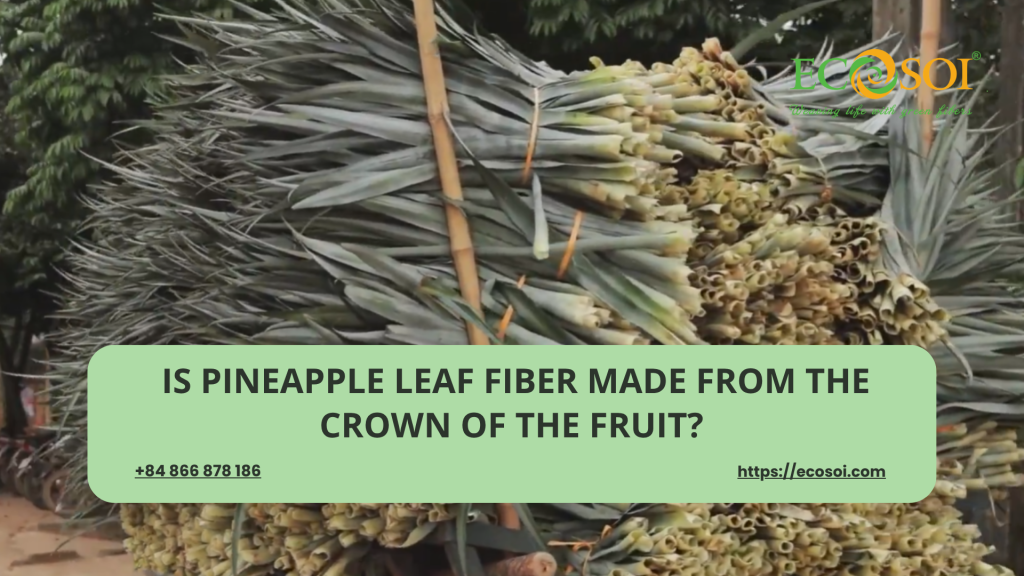
Pineapple fiber fabric is one of the sustainable, environmentally friendly materials made from pineapple leaves. With its lightweight, durable, breathable properties, and high biodegradability, pineapple fiber is becoming a popular choice in the fashion and interior design industries. However, to keep products made from pineapple fiber fabric looking beautiful and lasting long, proper care and maintenance methods are essential.
In this article, Ecosoi will guide you on how to clean, wash, and effectively maintain pineapple fiber fabric!
Nội dung chính:
Washing and Drying Pineapple Fiber Fabric Properly
Hand Wash or Machine Wash?
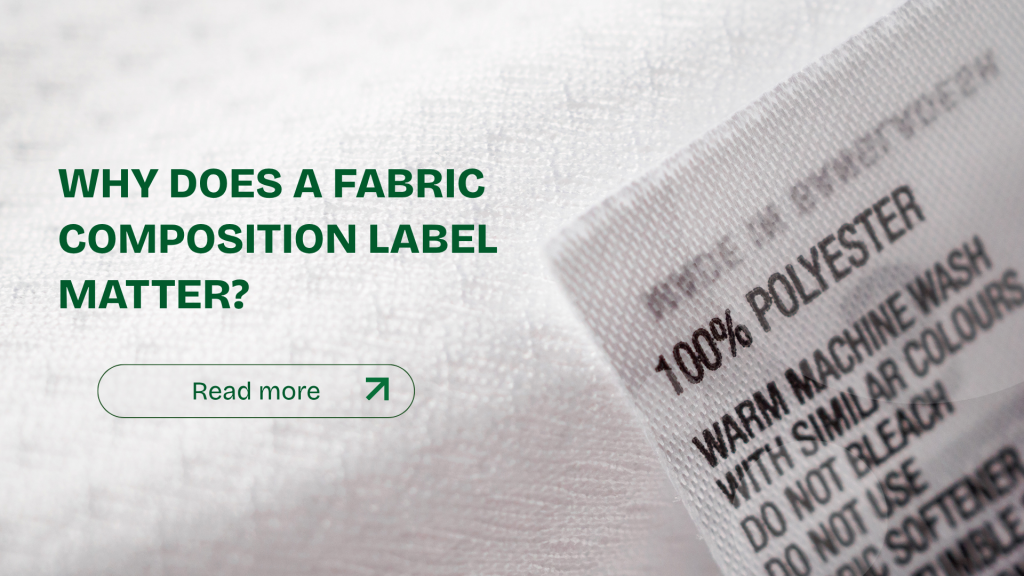
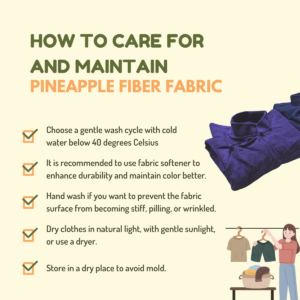
Pineapple fiber fabric has a natural fiber structure, so hand washing is the optimal method to avoid stretching the fabric or losing its original texture. If machine washing, choose a gentle cycle with cold water below 40°C and place the product in a laundry bag to protect the fibers.
Choosing the Right Water Temperature and Detergent
- Use cold water below 40°C to preserve the texture and color of the fabric.
- It is advisable to use organic detergent or mild soap to avoid damaging the fibers.
- Using fabric softener can enhance durability and improve color retention.
Drying and Airing the Fabric
- Dry the fabric in natural light, avoiding direct sunlight to maintain its durability.
- Avoid wringing too hard to prevent stretching or deforming the fibers.
- You can use a dryer, but select a low heat setting or a gentle air setting to avoid damaging the fabric.
Ironing and Storing Pineapple Fiber Fabric
Proper Ironing Techniques
- Iron at a low temperature (below 120°C) to avoid burning or losing the fiber structure.
- It is recommended to use a steam iron instead of a dry iron to maintain the softness of the fabric.
- If the fabric has many wrinkles, you can place a thin cotton cloth over it before ironing.

Long-term Storage Methods
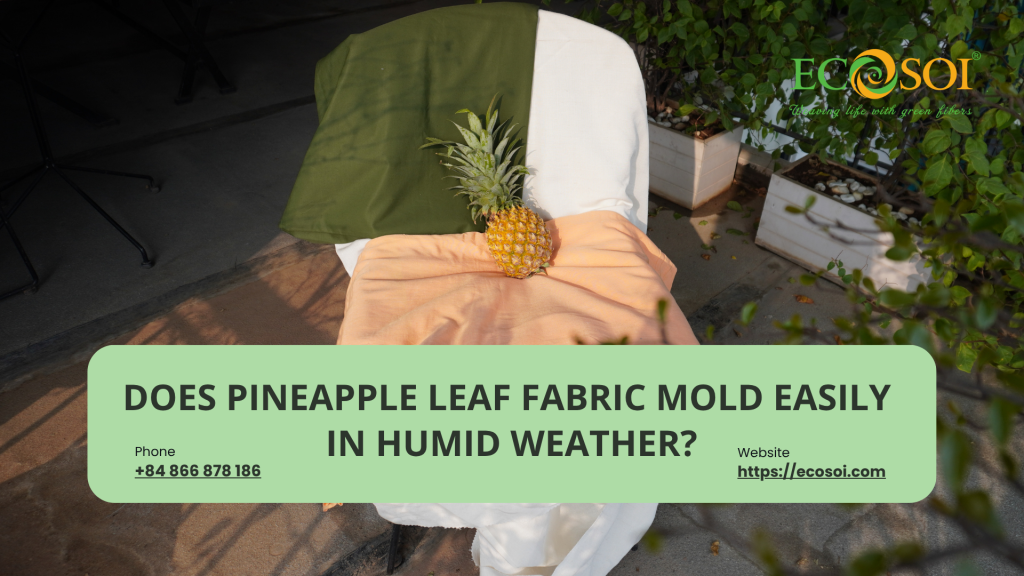
- Store in a dry place to avoid mold.
- Fold neatly or hang on a hanger to maintain its shape better.
- Place scented sachets or moisture-absorbing packets in the closet to protect the fabric from insects.
- Avoid contact with damp areas or floors to maintain the product’s durability.
When to Replace?
If you notice the fibers are rotting, showing signs of mold, or losing durability, you should replace them to ensure the safety of your skin and health.
Conclusion
Proper care and maintenance of pineapple fiber fabric not only extend the product’s lifespan but also preserve the natural beauty of this sustainable fiber. By following the above guidelines, you can use pineapple fiber fabric effectively and in an environmentally friendly manner.
If you are looking for high-quality products made from pineapple fiber, contact Ecosoi today for detailed advice!