 VIETNAMESE
Diverse applications of banana fiber in the fashion industry
As the fashion industry undergoes a powerful shift towards sustainability and ethics, natural fibers like banana fiber are becoming highly sought after by global fashion brands. Extracted entirely from nature—specifically from the trunk of the banana plant—banana fiber is not only eco-friendly but also known for its durability, moisture absorption, and visual appeal.
Let’s explore why banana fiber is increasingly applied in the fashion industry and how it opens up a promising future for eco-textiles.
Nội dung chính:
Outstanding features of banana fiber in textiles
- Eco-friendly: Banana fiber is extracted from post-harvest banana trunks—an effective way to recycle agricultural waste and reduce organic waste.
- Biodegradable: As a natural cellulose fiber, banana fiber decomposes completely without harming soil or water resources.
- High durability and natural sheen: Banana fiber has a strong structure, excellent tensile strength, and a natural luster comparable to silk.
- Moisture-wicking and breathable: Its good absorbency makes banana fiber fabrics cool and comfortable—perfect for tropical climates.
Key applications of banana fiber in fashion
Premium apparel
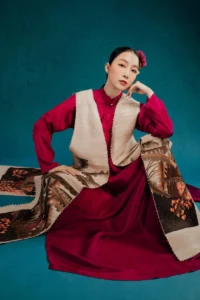
Luxury fashion brands in Japan, India, and Europe are incorporating banana fiber into shirts, evening gowns, and outerwear due to its elegant appearance and smooth feel. Often blended with silk or cotton, banana fiber enhances softness and suits intricate designs.
Everyday fashion
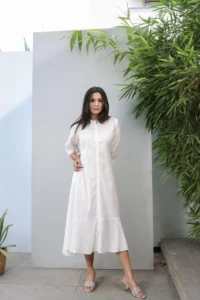
Sustainable fashion labels are now using banana fiber to produce T-shirts, blouses, and light dresses thanks to its breathability, dye-friendly properties, and versatility. The fabric’s quick-dry and moisture-wicking abilities also make it suitable for sportswear and summer collections.
Fashion accessories
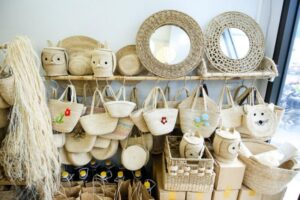
Beyond clothing, banana fiber is being used in eco-fashion accessories such as bags, shoes, and hats—especially when crafted through hand-weaving or crocheting techniques. Traditional handcrafted banana fiber items from Japan, Nepal, and the Philippines are enjoying a revival due to the growing eco-fashion movement.
Blended textile materials
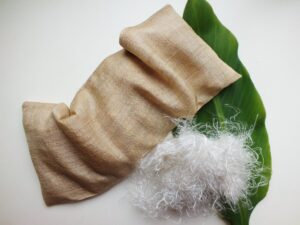
Banana fiber can be blended with cotton, tencel, pineapple fiber, or even recycled polyester to produce more durable, flexible, and eco-conscious fabrics. These hybrid materials expand banana fiber’s applicability while preserving its natural appeal.
The sustainable fashion trend powered by banana fiber
Growing interest from global brands
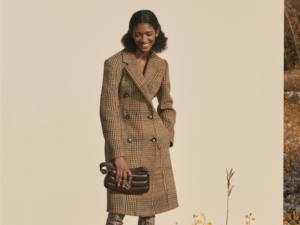
Many international fashion labels are investing in the research and application of banana fiber fabrics as part of their sustainable product development strategy. From high-end brands like Stella McCartney and Eileen Fisher to mid-range eco-chic labels, banana fiber is becoming a highlight in seasonal fashion collections.
Symbolic power in brand storytelling
For many green fashion brands, using banana fiber isn’t just about material selection—it’s about brand identity. Banana fiber is associated with circular agriculture, waste reduction, and craft preservation, allowing brands to communicate a message of sustainability and responsibility that resonates with conscious consumers.
Growth potential in Vietnam and Southeast Asia
Thanks to favorable climates and abundant banana yields, Southeast Asian countries—including Vietnam—have vast potential to develop a banana fiber supply chain for the textile industry. Investment in fiber processing technology, workforce training, and partnerships between businesses, farmers, and designers will unlock new opportunities for eco-fashion development and banana fiber exports.
Conclusion
Banana fiber is more than just a natural material—it’s a symbol of sustainable, innovative, and responsible fashion. With its wide-ranging applications, high aesthetic value, and future expansion potential, banana fiber is poised to become a strategic choice for textile brands in Vietnam and across the globe.