 VIETNAMESE
Circular Economy in the Textile Industry: Theory and Practice
The Circular Economy is fundamentally reshaping the future of global fashion. For the textile industry, this is no longer a distant theoretical concept. It has become an essential requirement to meet international standards. This article will analyze the details, from the foundational theory to the practical implementation of this model.
Nội dung chính:
What is a Circular Economy in Textiles?
Theoretically, the Circular Economy is an economic model focused precisely on eliminating waste. It replaces the traditional, linear “take-make-dispose” model. The core focus of a circular economy is to maintain the value of products and materials for as long as possible.
According to the Ellen MacArthur Foundation, this model rests on three basic principles. The first is to design out waste and pollution right from the start. The second is to circulate products and materials at their highest possible value. The third is to regenerate natural ecosystems.
Why Must the Textile Industry Transition to a Circular Economy?
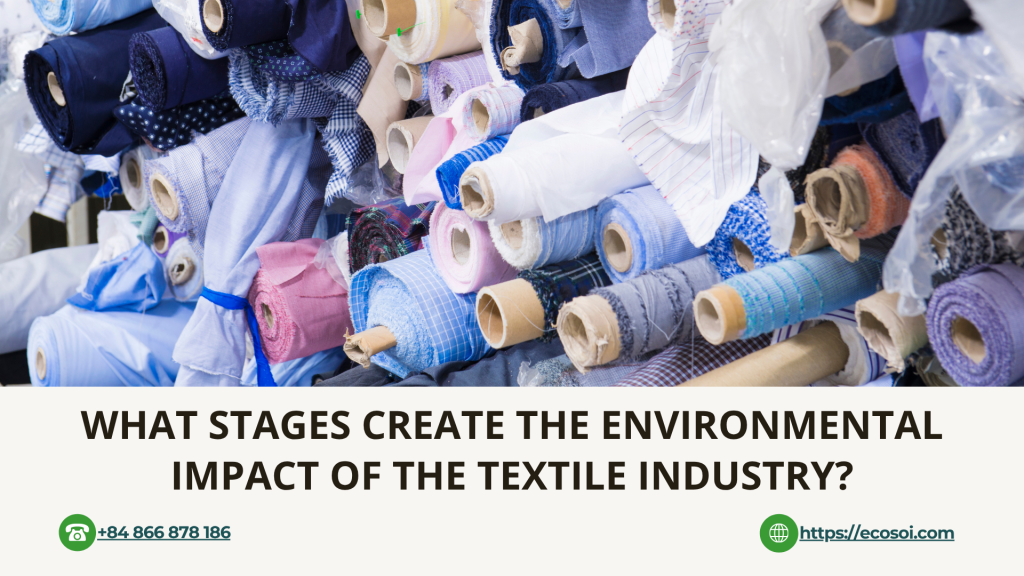
The textile industry currently generates massive environmental impacts. According to a United Nations Environment Programme (UNEP) report, textiles account for roughly 8-10% of global carbon emissions. Additionally, this industry consumes an enormous amount of freshwater every year.
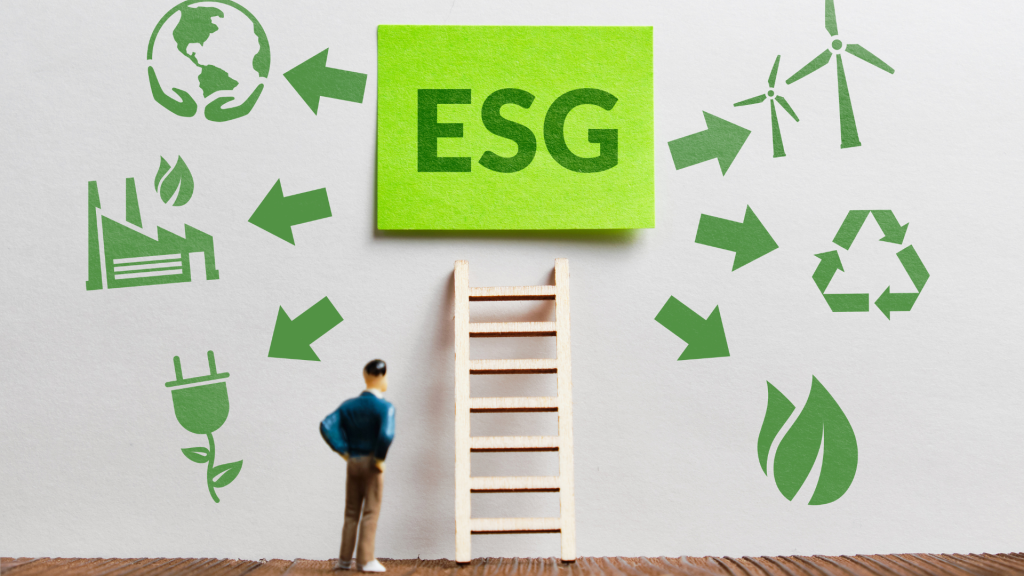
Therefore, transitioning to a Circular Economy is a mandatory step. Fashion brands exporting to Europe, in particular, face significant pressure. They must strictly adhere to regulations concerning traceability and eco-design. Meeting Environmental, Social, and Governance (ESG) standards is now a core competitive advantage.
Practical Implementation of the Circular Economy in Business
In reality, transitioning to a circular economy requires synchronized, comprehensive change. Businesses are actively deploying this model through several specific actions.
Designing for the Environment (Ecodesign)
The first and most crucial step is eco-design. High-end designers and studios are increasingly prioritizing mono-material products or materials that are easy to disassemble. This makes the post-use recycling process significantly easier. Furthermore, selecting natural, low-chemical input materials is becoming a major trend.
Focusing on Sustainable and Transparent Materials
To make the circular economy a reality, input materials play a decisive role. B2B businesses today desperately need material suppliers capable of transparent traceability. The clearer the origin of the materials, the lower the legal risks when exporting.
Ecosoi: Bringing the Circular Economy to Textile Reality
At Ecosoi, we don’t just talk about circular economy theory. We put it directly into practice through breakthrough material solutions. Ecosoi’s core mission is to create ecological, transparent, and high-quality textile materials.
Solutions From Agricultural Byproducts
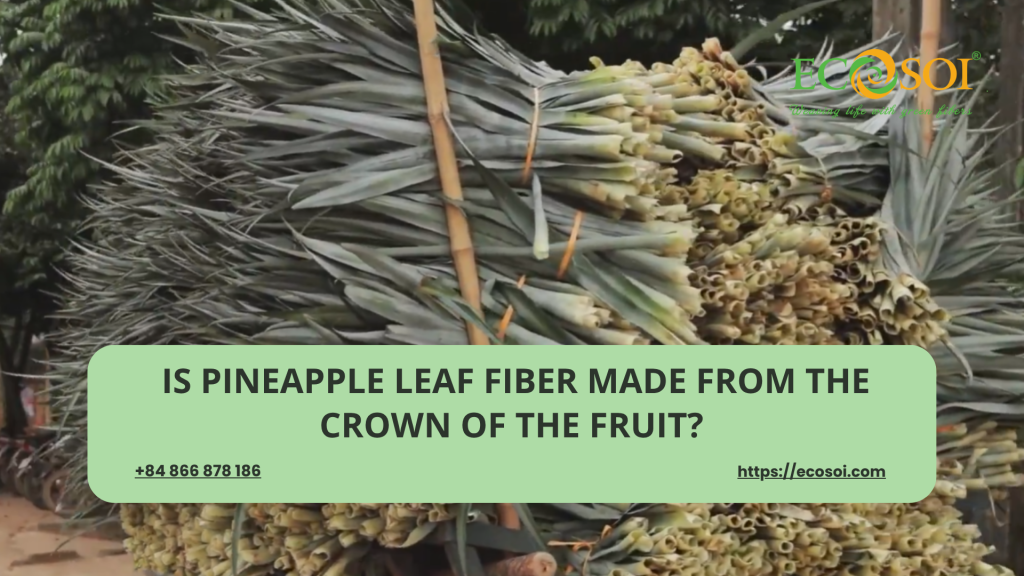
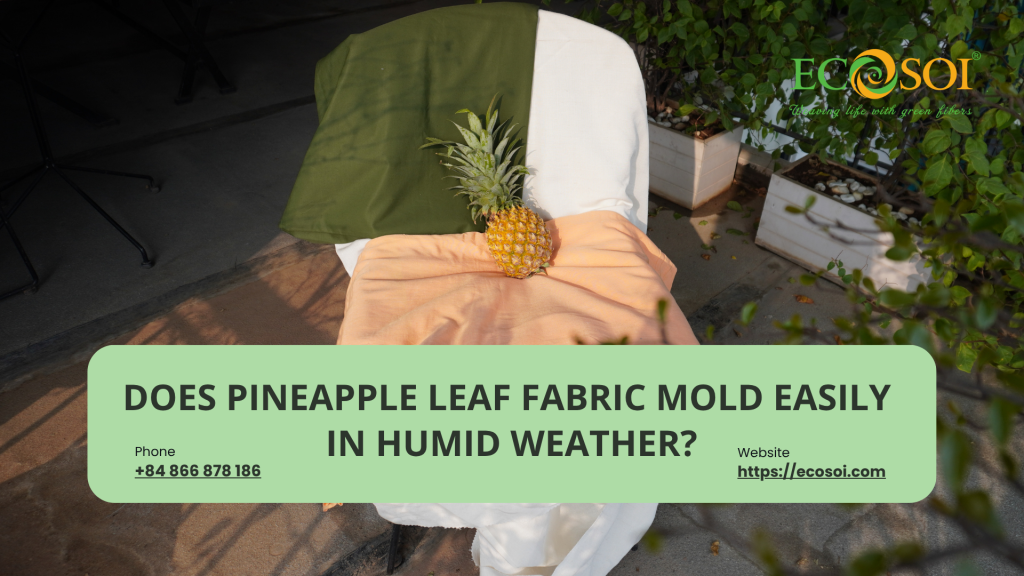
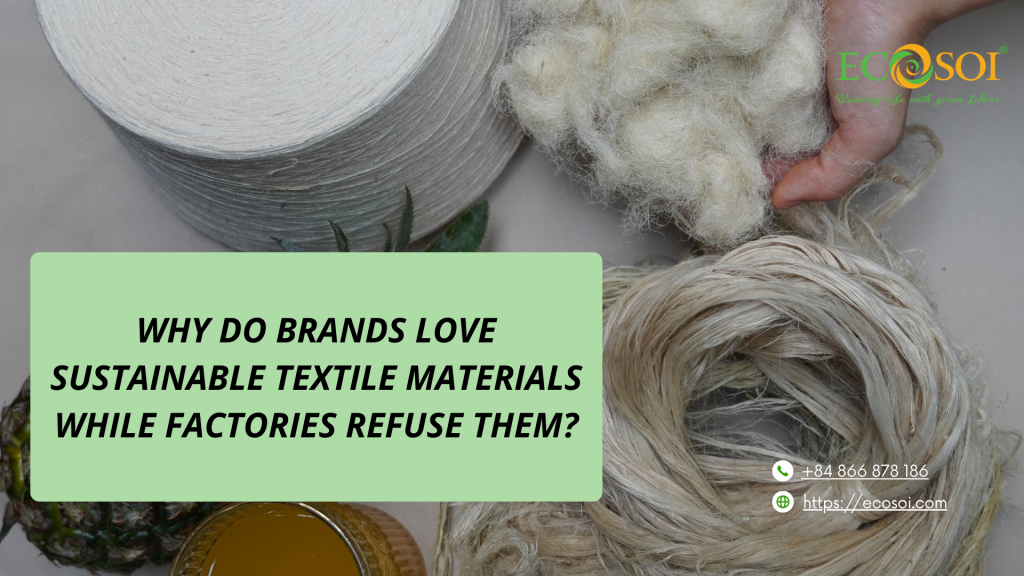
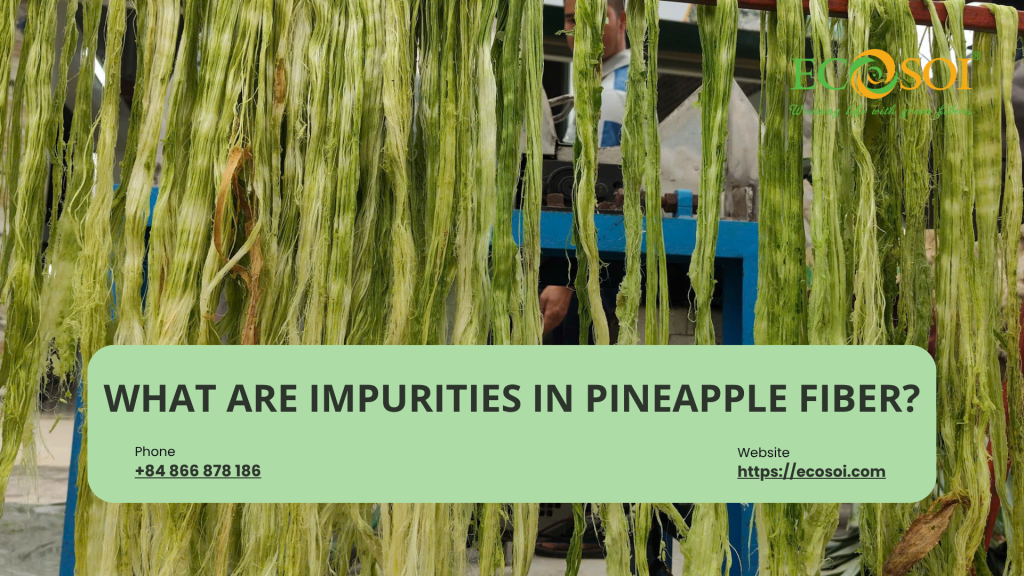
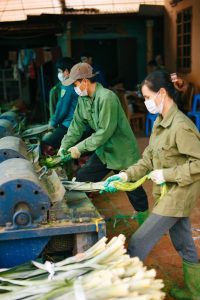
Specifically, Ecosoi utilizes pineapple leaves, which are typically discarded agricultural byproducts. This process actively reduces agricultural waste and creates entirely new value. From these leaves, we extract incredibly strong, ecological pineapple fiber. This is a clear demonstration of the Circular Economy’s principle of regenerating ecosystems.
Breakthroughs With Ecological Blended Fabrics
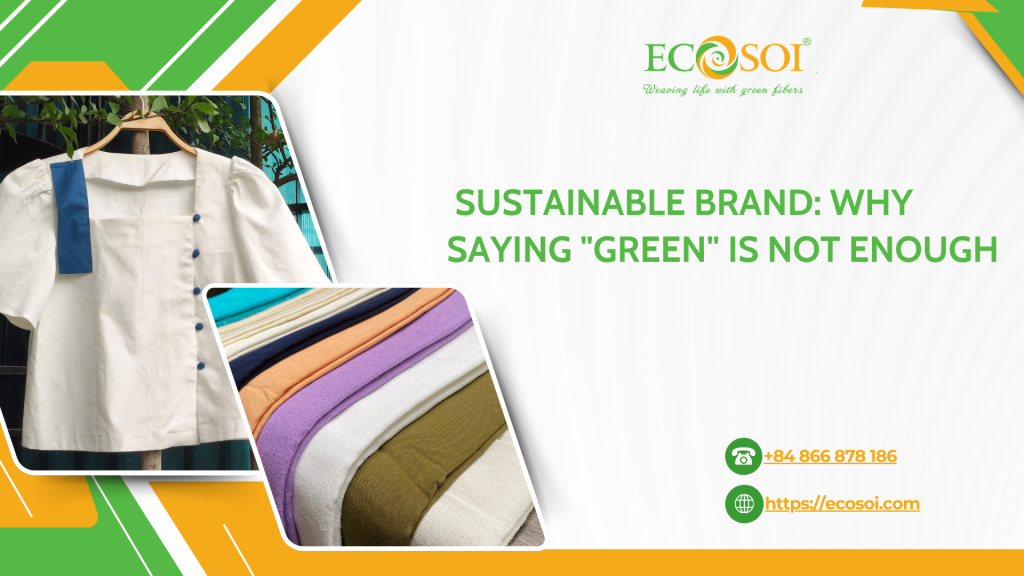
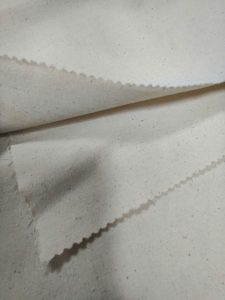
Besides pure pineapple fiber, Ecosoi continuously researches ways to diversify our products. Recently, we successfully developed a blended fabric containing 40% pineapple fiber and 60% cotton. This specific combination provides a soft fabric surface, high durability, and maintains excellent environmental friendliness. This solution allows fashion brands to easily apply these materials to high-end collections.
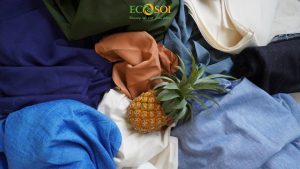
Partnering with Ecosoi helps textile businesses truly master a green supply chain. Consequently, you can confidently meet the strictest ESG standards to enter international markets.
Conclusion
The Circular Economy in the textile industry is the only viable path toward sustainable development. From foundational theory to material realities, every stage requires transparency and innovation. Brands that grasp this trend early will dominate the market of the future.
Join Ecosoi in creating a green future for the fashion industry. Visit the Ecosoi Website immediately or follow our Fanpage to explore our sustainable material solutions.