 VIETNAMESE
THE IMPORTANCE OF PINEAPPLE FIBER CLEANLINESS IN TEXTILES
When discussing the quality of textile raw materials, people usually only pay attention to fiber length. Many others focus additionally on fineness or blending ratios. However, pineapple fiber cleanliness is a fundamental factor. Unfortunately, this metric is often overlooked by fashion brands.
For textile mills, maintaining optimal pineapple fiber cleanliness is extremely critical. This requirement becomes vital when factories adopt a new material like pineapple fiber. Cleanliness does not just affect the ultimate yarn quality. In addition, it directly determines machine uptime and dictates defect rates across the entire industrial line.
A raw material source obtained from nature does not mean it is instantly ready for production. For instance, you cannot feed raw fibers directly into industrial spinning machines immediately. Before spinning into yarn, the fibers must undergo a thorough cleaning process. After that, technicians need to evaluate the material based on many strict standards.
Nội dung chính:
What is the technical definition of fiber cleanliness?
Cleanliness is not just a matter of visual appearance to the naked eye. In the spinning industry, this index specifically reflects the removal rate of foreign impurities. These are remaining materials left after extracting fibers from plant leaves. Such impurities include the green epidermis of pineapple leaves, dirt, or plant fragments. Sometimes, the fibers still contain coarse clusters that have not fully separated.
If the amount of remaining impurities is too large, machines will struggle during the opening and carding stages. Therefore, operators cannot spin yarn or weave fabric smoothly. In addition, technical defects can easily arise throughout the entire manufacturing process. Consequently, pineapple fiber cleanliness is not a standard meant for aesthetics. Instead, it is a crucial parameter that determines whether the fabric is easy to cut and sew.
Key metrics to evaluate the quality of a pineapple fiber batch
In practice, technicians do not guess fiber quality based on intuition. Textile mills always inspect raw materials using specific quantitative indicators.
Vegetable matter tracking
This index reflects the amount of non-fiber material inside the delivery bales. Common impurities include fragments of pineapple leaf skin and field dust. Furthermore, many fiber batches still contain residual lignin that was not entirely removed. If this impurity ratio is too high, it will cause residue buildup on equipment. As a result, weaving looms suffer from increased friction, which weakens the woven yarns.
Nep formation rate
Neps are tiny knots of tangled fibers that adhere to each other. This defect occurs when opening machines fail to untangle the material completely. Alternatively, it happens during raw mechanical processing. These tangled knots are very difficult to spot with the naked eye. However, they create rough patches on the yarn body.
If the quantity of neeps is too large, the woven fabric surface will lose its smoothness. Furthermore, during the dyeing stage, the fabric becomes prone to uneven coloration. This flaw significantly reduces the aesthetic value of final products.
Short fiber ratio
This parameter measures fiber segments that are too short. Specifically, they fail to meet the minimum length requirements for spinning equipment. If short fibers appear excessively, they will reduce the cohesion between fiber ends. Consequently, the spinning process becomes unstable. This issue often leads to frequent yarn breakages on weaving looms.
For blended yarn styles, controlling short fibers is even more essential. This step ensures that finished fabrics do not experience severe pilling.
Batch uniformity
Garment factories also care about the consistency of raw material shipments. A pineapple fiber batch with identical length and fineness is ideal. This property helps weaving machines run smoothly and evenly. On the contrary, fabric quality can fluctuate heavily between different bales. When this happens, operators must stop the line to adjust parameters constantly. This disruption increases electricity costs and wastes valuable labor.
Explore global standards for sustainable textile materials on Textile Exchange
Why fiber cleanliness directly affects factory machinery
In industrial manufacturing, efficiency is not measured solely by machine speed. More importantly, equipment must operate continuously and stably. Operators should not have to stop production lines abruptly.
Using a well-cleaned pineapple fiber source helps factories mitigate technical risks. Specifically, machines can avoid the following issues:
- Mechanical jamming or yarn clogging during the opening stage.
- Severe physical abrasion between metal machine components.
- Sudden yarn breakages while machines spin at high speeds.
- Excessive waste or defective fabrics generated per shift.
- Frequent downtime needed for operators to clean rotating shafts.
Conversely, if raw pineapple fiber contains too many impurities, mills must spend hours recalibrating equipment. This drawback reduces total output volume. At the same time, it drives production costs up.
The impact of material cleanliness on two common spinning methods
Each spinning technology demands distinct raw material standards. However, optimal cleanliness remains a mandatory prerequisite for smooth operation.
For Ring spinning technology
Ring spinning requires pineapple fibers to possess standard lengths. The fibers must adhere well to one another to create yarn strength. If the raw material still contains leaf fragments, the yarn will break repeatedly. In addition, high-speed spindles can easily tangle the fibers. This issue results in hairy, rough yarns and uneven fabric surfaces.
For OE spinning technology
Open-End (OE) spinning lines can handle a wider variety of coarse raw materials. However, this system is still negatively affected if pineapple fibers contain fine dust. Small dust particles or plant hulls will accumulate inside the rotor basin. This buildup gradually lowers machine efficiency. Consequently, technicians must pause the line frequently for routine cleaning.
Fiber cleanliness dictates the quality of finished fabrics
Machine efficiency at the factory is only half of the story. The real value of a fabric roll lies in the daily experience of the wearer. A clean pineapple fiber supply helps weaving mills produce high-quality textiles.
Smoother fabric surfaces
When mills eliminate tangled fiber knots, the resulting pineapple yarn becomes highly uniform. This improvement makes the fabric surface smoother to the touch. The material will experience minimal slubs or yarn defects. For premium fashion, a smooth surface is a mandatory requirement. It helps brands convince customers to buy products effortlessly.
Level dyeing performance
A uniform pineapple yarn structure allows dye chemicals to penetrate deeply. Therefore, color spreads evenly across the woven fabric surface. In contrast, if the textile still contains impurities, the dyeing process will be obstructed. The fabric can easily develop dark or light spots. As a result, colors appear blotchy when leaving the dye vats.
In addition, post-weaving stages like fabric softening run more stably. Anti-wrinkle treatments also achieve higher efficiency thanks to clean input yarns.
Enhanced comfort and durability
Consumers usually evaluate garment quality during daily wear. Clothing made from clean pineapple yarn provides excellent breathability. Wearers feel lightweight comfort without experiencing skin irritation. Furthermore, the fabric retains its shape much better. Garments will not stretch out or pill after multiple machine washes.
The actual standard pineapple fiber preparation process at Ecosoi
One of the most vital factors determining raw material quality is controlling fiber cleanliness immediately after raw extraction. This step creates a solid foundation for subsequent spinning and fabric manufacturing phases.
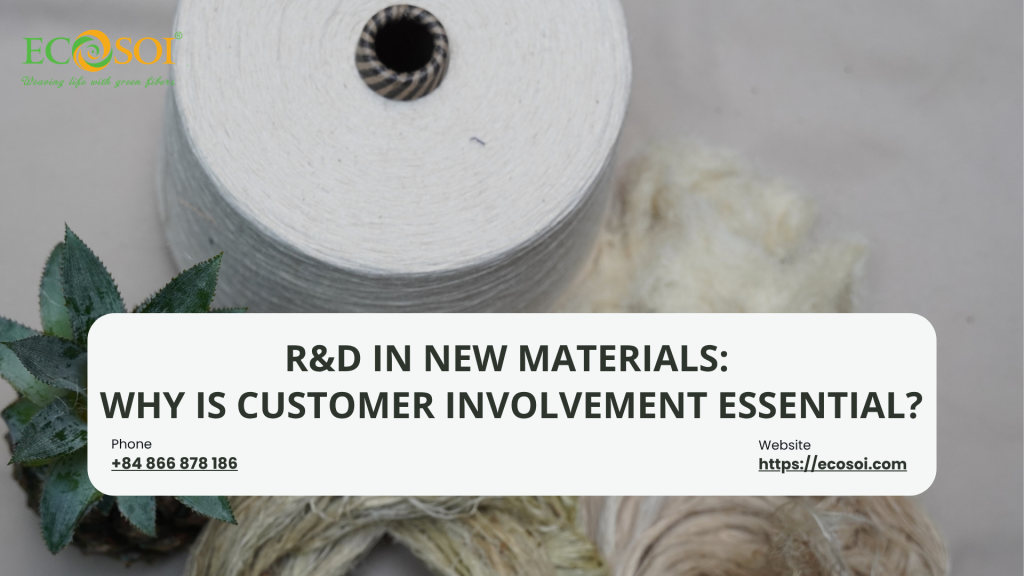
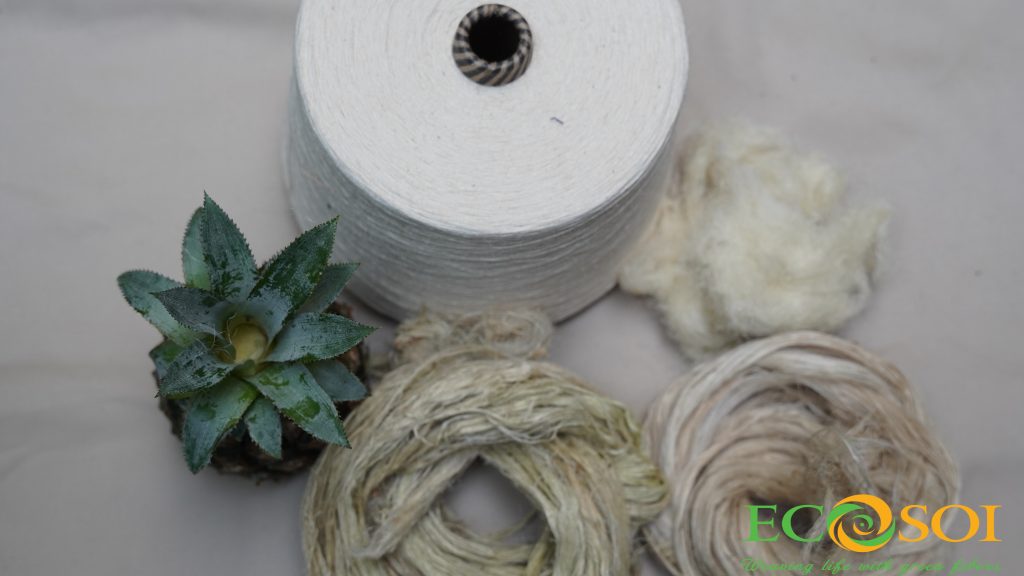
At Ecosoi, after fibers are extracted from leaves, the material undergoes a thorough cleaning process. This step aims to remove remaining impurities such as leaf fragments, plant dust, and unwanted components. Cleaning not only improves fiber quality. In addition, it enhances material stability during subsequent processing steps.
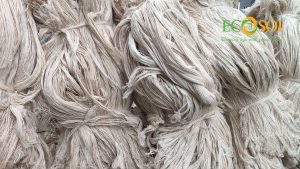
After being cleaned and dried, the pineapple fiber is categorized into quality grades including Q1, Q2, and Q3. This classification relies on internal technical criteria to ensure each batch matches its intended use. Thanks to this method, spinning, weaving, and product development stages are controlled more stably.
Instead of processing all fibers using a single generic method, Ecosoi focuses on preparing raw materials right from the start to meet specific production requirements. This approach helps reduce quality variations between batches. Therefore, it establishes a great prerequisite for developing practical pineapple fiber materials.
Explore more: Ecosoi pineapple yarn
Conclusion
A sustainable raw material source cannot be judged solely by its natural label. Genuine green materials must help factory machinery run stably. They must create durable clothing for end users.
For pineapple fiber, cleanliness is not a minor task during primary processing. Instead, it is the technical foundation that dictates the entire supply chain. Ecosoi believes that developing biomaterials requires empirical data. You should not rely only on environmental slogans. Partnering with clients right from the fiber cleaning stage is how we bring pineapple yarn into daily life.