 VIETNAMESE
WHY PINEAPPLE LEAF FABRIC IS SUSTAINABLE BEYOND MARKETING STORIES?
In recent years, people often praise pineapple fabric as a top symbol of sustainable fashion. However, not every material with a “green” label creates long-term value. In fact, the core difference of this material does not come from marketing stories. Instead, its real value lies deep within its material structure and practical performance.
This article will analyze pineapple fiber fabric from three main views: technique, application, and social impact. Through this analysis, we aim to answer an important question. What makes this fabric truly sustainable and elevates it above simple marketing buzzwords?
Nội dung chính:
Green materials cannot rely only on stories
In the modern textile sector, “green” has become a very popular keyword. However, true sustainability cannot stand alone without a solid material foundation.
To be specific, a textile material is only truly sustainable when it meets the following conditions:
- It has a long lifecycle in real-world environments.
- The material satisfies the basic technical requirements of the textile industry.
- It fits perfectly with existing production infrastructure and machinery.
If a product gets damaged quickly or is hard to process, the original eco-friendly story loses its meaning. Moreover, wasting resources in later stages will reduce its value. Therefore, the fiber structure and physical traits must be the top priorities.
How fiber structure creates sustainable value
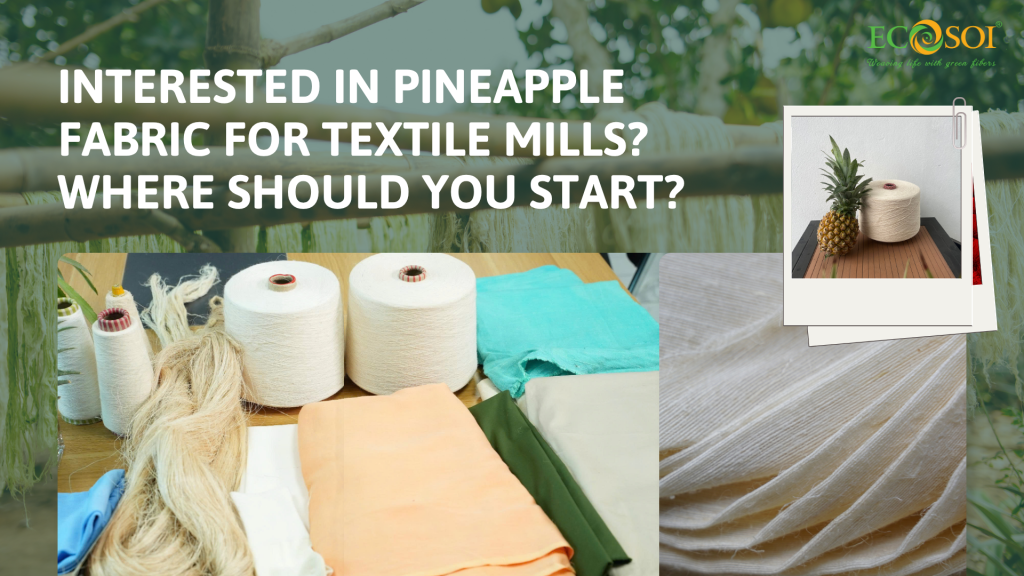
Where does pineapple fiber come from?
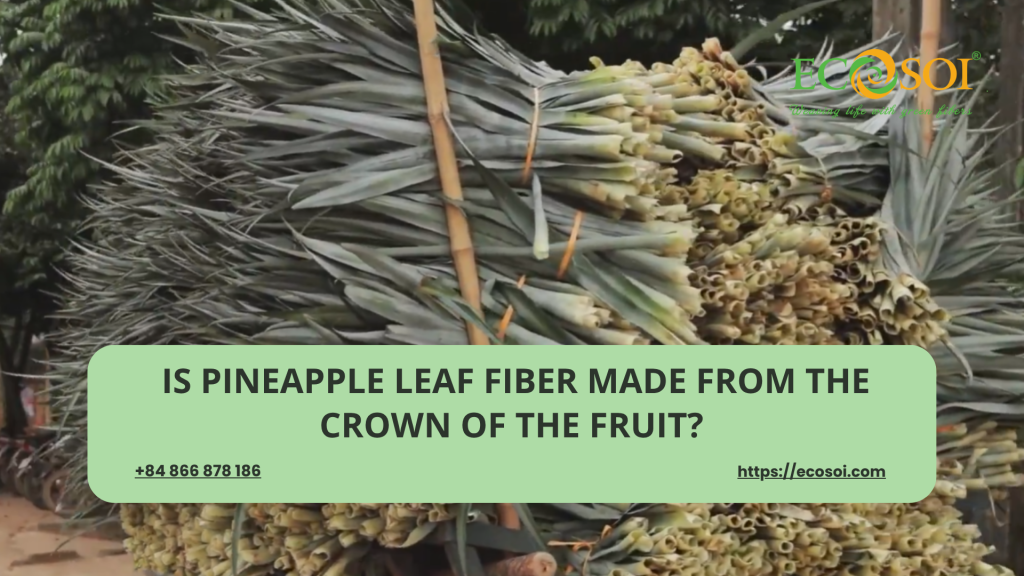
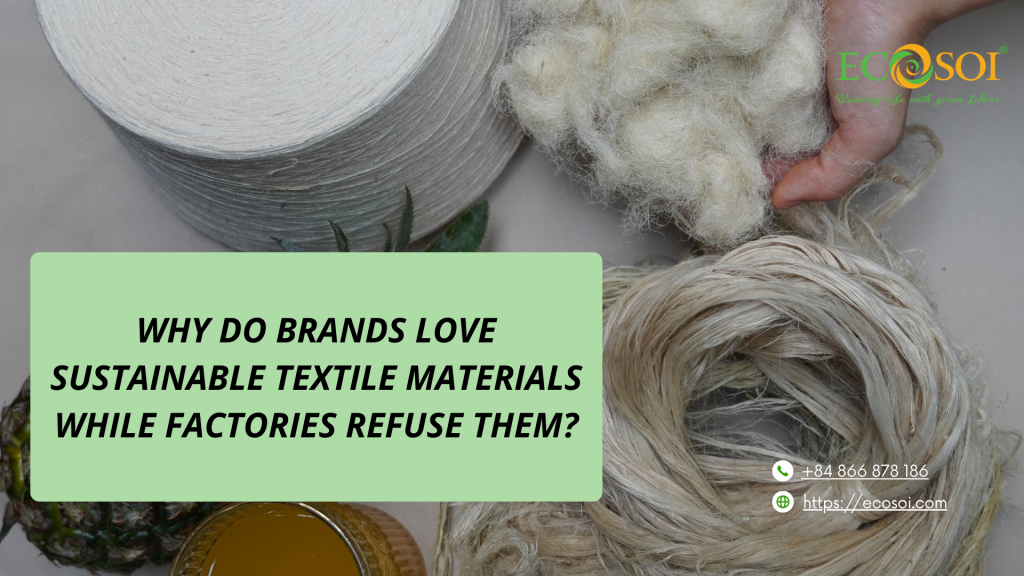
Workers extract this natural fiber directly from pineapple leaves. This is an agricultural byproduct that farmers usually discard after harvesting fruits. Therefore, utilizing this available source brings many great benefits:
- It reduces biological waste in the environment.
- The process does not compete with food crops for land use.
- It increases economic value for local farming families.
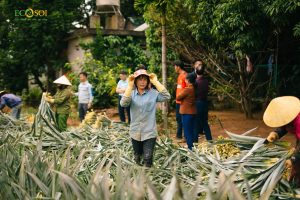
As a result, this model acts as a core foundation for the circular economy in textiles.
Structural characteristics of pineapple material
From a scientific view, pineapple fiber possesses unique physical and chemical traits. The most outstanding advantages include:
- A high content of natural cellulose, which creates strong durability.
- Long fiber shapes with a distinct micro-porous structure.
- Excellent bonding ability when blending with other types of yarn.
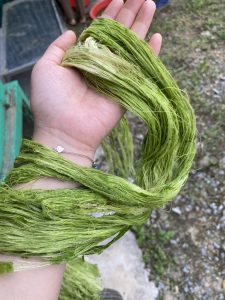
Thanks to this hollow structure, pineapple leaf fabric has great potential to create highly breathable products. However, manufacturers must process and blend the material correctly.
A technical view of pineapple leaf fabric
Durability and real-world application
A common misconception today is that eco-friendly materials are not durable. In reality, factories rarely use pineapple fiber alone during production. Instead, they usually apply the following methods:
- They blend it with cotton, viscose, or other natural fibers.
- They adjust the blending ratios flexibly to balance durability and comfort.
Consequently, this practical approach makes pineapple fabric perfect for industrial production. The material can easily achieve commercial success instead of just remaining as exhibition samples.
Breathability and skin contact
Thanks to the natural hollow fiber structure and safe plant origin, this fabric offers premium experiences for users:
- It has great breathability and high moisture absorption.
- It keeps the wearer feeling dry and cool all day long.
- The fabric rarely causes irritation, making it safe for sensitive skin.
This factor is very important for B2C customers. These are consumers who always look for a safe and minimalist lifestyle.
Measuring sustainability by lifecycle, not slogans
A circular model starting from the material
When discussing sustainability, many brands only focus on packaging or marketing campaigns. However, the actual lifecycle of the material is the deciding factor.
Fortunately, pineapple leaf fabric contributes positively to this green model in several ways:
- It uses raw materials that can renew very quickly.
- The fabric can biodegrade fully under suitable natural conditions.
- It helps reduce reliance on synthetic fibers made from petroleum.
Nevertheless, if factories do not control chemical usage well during processing, these benefits will drop. Therefore, a transparent supply chain is a strict requirement for every business.
Why do businesses need a sustainable structure?
For garment factories and fashion brands, choosing materials is not just about building a good image. Using pineapple leaf fabric helps solve major problems for B2B partners:
- It stabilizes the material supply because agricultural waste is abundant.
- Factories can integrate it easily into existing weaving and dyeing systems.
- It supports businesses in building ESG profiles and long-term brand equity.
Particularly, international green standards are becoming much stricter. Therefore, using materials with clear technical bases will reduce compliance risks for businesses.
What are modern consumers looking for?
Modern buyers no longer trust simple marketing stories easily. On the contrary, they focus deeply on the actual usage experience. B2C clients always ask practical questions:
- Is this fashion product durable enough?
- Is the fabric safe for the skin?
- Does the design fit into daily life?
When developed correctly, pineapple leaf fabric does not force users to choose between being “green” and being “comfortable.” This advantage is the key factor that helps the material enter real life successfully.
Ecosoi and our structure-based material approach
On the current market, not all pineapple products deliver the same quality. The biggest difference lies in research processes and fiber processing technologies. Therefore, the brand Ecosoi chooses to approach solutions from a technical perspective:
- We focus on uniform research from raw fiber to finished fabric.
- We optimize the mechanical structure of materials instead of just telling green stories.
- Our team aims for practical applications in both B2B production and B2C consumption.
This professional method helps our products survive steadily on the market. Furthermore, it protects the brand from short-term trends.
Explore more: Ecosoi pineapple fiber fabric collection
Is pineapple fabric the only solution for sustainability?
The clear answer is no. This is because no single material can solve all environmental problems in the textile sector. However, pineapple leaf fabric is a vital strategic piece due to the following reasons:
- It connects local agriculture tightly with modern industry.
- The material creates new economic value from discarded waste.
- It holds great potential for scaling up if investors provide proper support.
Above all, the textile industry needs good materials for long-term use, not just “green” enough for public relations.
Conclusion: sustainability starts from structure
In conclusion, pineapple leaf fabric is not green just because of good press articles. Instead, its true value comes from:
- A hollow fiber structure with clear scientific and technical evidence.
- An input source that aligns closely with the circular economy in textiles.
- High flexibility and strong durability in real life.
When the material quality is good enough, the brand story will naturally win customer trust. Only then can sustainable fashion create a lasting social impact.
Find green material solutions with Ecosoi
👉 If you are a textile enterprise looking for natural fibers with clear technical foundations, please connect with us!
👉 If you are a consumer caring about safe materials for daily life, please start by understanding material structures correctly.
Ecosoi is always ready to provide quality pineapple fiber and yarn solutions for your supply chain. Contact Ecosoi today to receive your material samples!