 VIETNAMESE
NATURAL MATERIALS IN FASHION CANNOT MEET EVERY EXPECTATION
In recent years, the trend of using natural materials in fashion has become very popular. In fact, it is now at the center of all green discussions. Many people expect these materials to fix every environmental issue. Additionally, they think these items are always perfect for human health and brand image. However, natural materials were not born to satisfy every unrealistic expectation.
Often, brands give this material group too many roles. For example, people call them “completely eco-friendly” or “the perfect replacement for synthetics.” Consequently, these labels create widespread misunderstandings. As a result, these errors lead to wrong choices in both cloth production and shopping habits.
Nội dung chính:
A CORRECT UNDERSTANDING: WHAT ARE NATURAL MATERIALS IN FASHION?
To begin with, we should look at what these materials actually are. Generally, natural materials in fashion include three main groups:
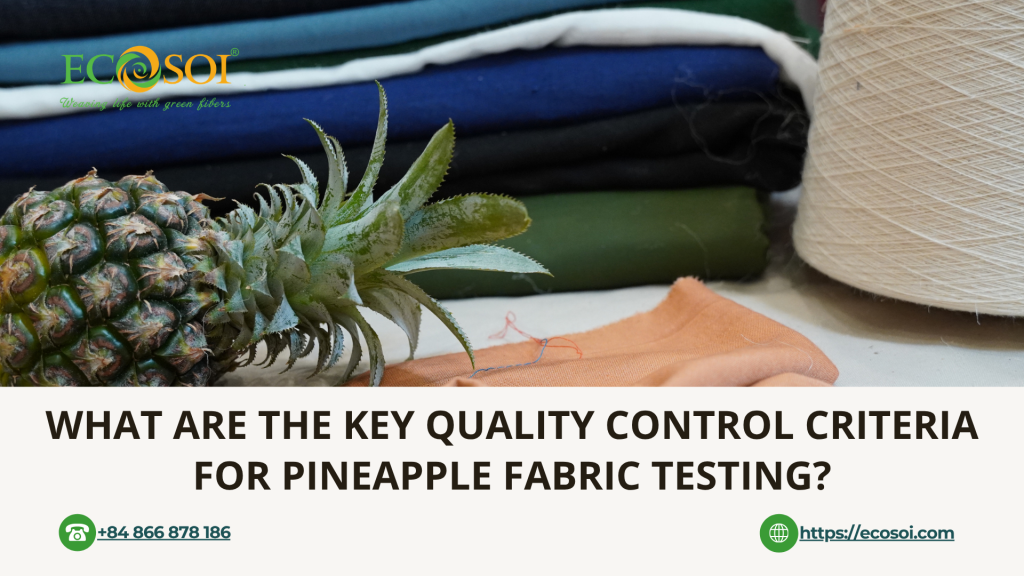
- Plant-based fibers: These are common options like cotton, linen, pineapple leaf fiber, and hemp.
- Animal-based fibers: These include traditional choices like wool and silk.
- New biomaterials: These are modern items made from agricultural waste.
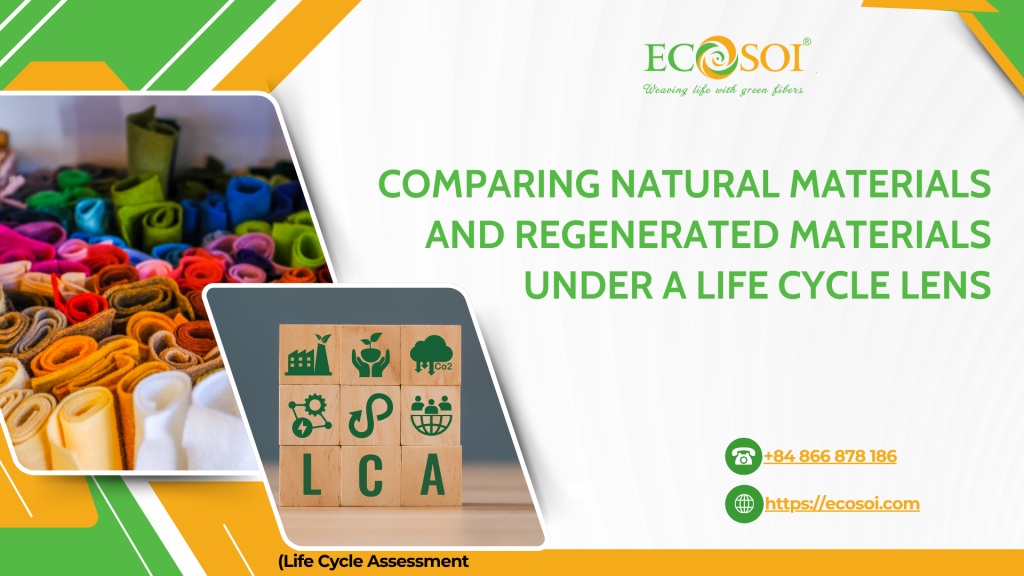
Clearly, the common feature of these materials is that they can regrow. However, according to experts at the Textile Exchange, this origin does not mean they are always good for nature. Furthermore, they do not always fit every use, nor do they always give the best technical results. Therefore, we must judge a material by its whole life cycle, rather than just its starting point.
WHY NATURAL MATERIALS IN FASHION CANNOT MEET EVERY EXPECTATION
Inherent Physical and Biological Limitations
First of all, each natural fiber has its own physical limits. For instance, they have specific levels of strength, wear, and wrinkle control. In contrast to oil-based synthetic fabrics, natural materials in fashion usually face clear limits:
- First, they are less stable under heavy usage.
- Second, they change easily with weather, heat and air moisture.
- Finally, factories find it hard to keep them exactly the same in every batch.
Importantly, these points are not technical errors. On the contrary, they are just the true nature of living materials. Thus, makers must learn to understand them well.
Not All Supply Chain Processes Are Truly “Green”
In addition, there is another big misunderstanding. Many brands think that using a natural fiber makes the whole process clean.
However, official reports show that the true impact depends heavily on supply chain management. For example:
- To start with, growing crops can waste a lot of fresh water. Meanwhile, farmers might use too many chemicals.
- Next, cleaning and dyeing the threads still requires harsh chemicals. Consequently, these steps can pollute local clean water.
- Lastly, moving raw items across countries creates a large carbon footprint.
Incompatibility in High-Tech Applications
Moreover, these materials do not fit high-tech jobs. For sports clothing or tough outdoor gear, forcing natural materials in fashion into these roles is a mistake. Specifically, it lowers product quality, wastes materials, and raises business costs.
NATURAL MATERIALS THROUGH THE LENS OF TEXTILE ESG STANDARDS
To change into a circular economy model, businesses must use the ESG framework to check their fabrics:
|
ESG Pillar |
Key Requirements for Natural Materials |
| Environmental | These materials can rot away naturally. However, they are only truly green if the factory limits waste and cuts down on chemicals. |
| Social | Farming choices affect the lives of local farmers. Therefore, brands must offer safe work conditions and support the community. |
| Governance | This part requires clear data. Specifically, companies must trace materials from the farm to the shop. |
In short, the ESG framework proves a key point. Buying natural materials in fashion is only the first step. In the end, smart supply chain management is the real answer.
THE RIGHT APPROACH TO OPTIMIZE NATURAL MATERIALS
According to reports, the best green plan is to use materials for the right jobs. Therefore, brands should stop looking for one perfect material.
Put Materials into the Right Technical Role
First, think of natural fibers as just one part of a big mix. Instead of just following trends, brands should pick the right uses.
For instance, if a shirt needs to be cool and safe for skin, natural fibers are perfect. But if a product needs to stretch a lot, a mixed fabric (like cotton with spandex) is necessary.
Communicate Honestly to Eliminate Greenwashing Risks
Furthermore, honesty in marketing is now a real power for brands. Today, shoppers and business partners are much smarter. Because of this, they do not easily trust “100% sustainable” claims. Therefore, showing both the good sides and the limits helps brands build trust. As a result, they can easily avoid greenwashing risks.
ACTIONABLE PERSPECTIVES FOR B2B BUSINESSES AND B2C CONSUMERS
- For B2B clients: The material story must be backed by real test results. In addition, it requires a steady supply and the ability to pass strict global rules.
- For B2C consumers: Learning about material limits helps people shop better. Consequently, buyers will drop false hopes and value real eco-friendly products more.
CONCLUSION: SUSTAINABILITY BEGINS WITH UNDERSTANDING LIMITS
To sum up, natural materials in fashion cannot solve every human hope. Instead, they only help to lower bad impacts if we use them in the right spots. True green fashion does not come from dreaming about perfect materials. Rather, it comes from smart, clear, and data-based choices.
Explore more: Why Do 100% Green Fashion Materials Not Exist?
ABOUT ECOSOI – GREEN SOLUTIONS FROM A TRANSPARENT SUPPLY CHAIN
As the largest pineapple leaf fiber seller in Vietnam, ECOSOI builds smart material options for industries. We do not just care about natural origins. Additionally, we focus on high technical use, strong yarn quality, and clear supply steps. Thus, we create long-term value for your business.
Explore more: Pineapple Fabric
Our Official Information Channels:
- Website: ECOSOI Official Website
- Facebook: ECOSOI Facebook Page