 VIETNAMESE
COMPARING NATURAL MATERIALS AND REGENERATED MATERIALS UNDER A LIFE CYCLE LENS
For many years, the textile industry has naturally assumed that natural materials are the only truly “green” solution. In contrast, people often view regenerated materials negatively. Many individuals simply consider them as rigid, industrial alternatives.
However, this emotional classification system is completely outdated today. Nowadays, strict ESG criteria and supply chain transparency requirements are rapidly changing the global game. Therefore, textile enterprises urgently need a genuinely sustainable solution. They must systematically compare natural materials and regenerated materials using verifiable, scientific data.
Nội dung chính:
WHAT IS THE CORE ESSENCE OF TEXTILE PRODUCT LIFE CYCLE ASSESSMENT?
Life Cycle Assessment (LCA) is a rigorous scientific methodology. Experts utilize this precise method to comprehensively measure various environmental impacts. In fact, a standard textile LCA process thoroughly scans raw data across five core stages of a fiber:
- Extracting or harvesting the initial raw material sources.
- Processing raw fibers and manufacturing the final woven fabric.
- Transporting and distributing finished products to target markets.
- Consumer utilization, laundering, and garment maintenance.
- Ending the product life cycle via recycling, composting, or disposal.
Indeed, the scientific LCA method provides fashion brands with a multi-dimensional perspective. This valuable solution helps enterprises control hidden ecological impacts behind complex dyeing and weaving procedures.
TECHNICAL CHARACTERISTICS OF NATURAL MATERIALS AND REGENERATED MATERIALS
Enterprises definitely require a highly accurate database to compare natural materials and regenerated materials. First of all, we must clearly define the distinctive technical attributes of these two distinct categories:
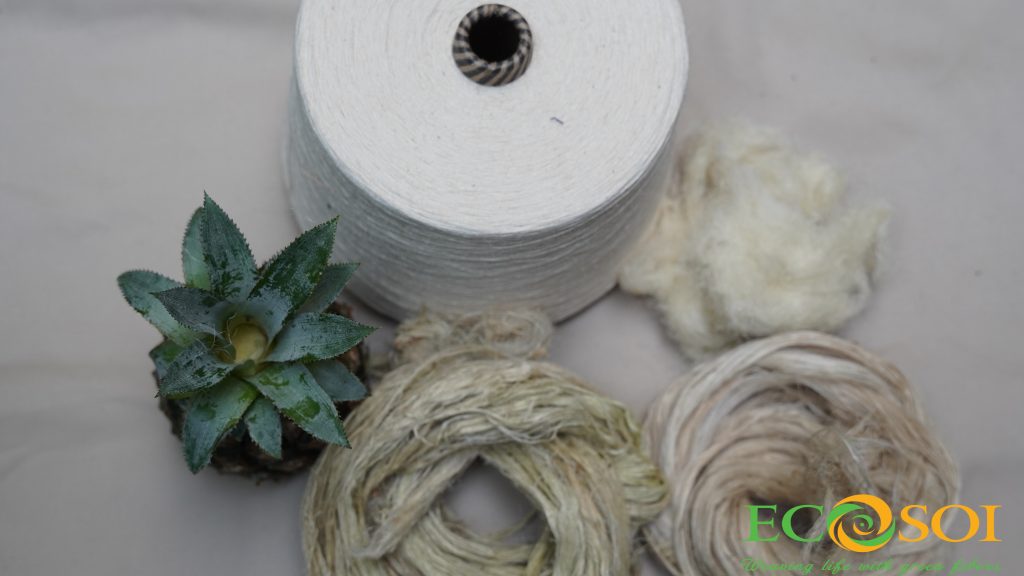
- Natural materials: This group consists of bio-based fibers that are readily available in nature. Typical examples include cotton, linen, ramie, jute, and silk. Additionally, it contains fibers extracted from agricultural by-products like pineapple leaves or banana stems. The greatest strength of this category is its excellent biodegradability. Nevertheless, fiber quality depends heavily on farming conditions and weather seasons.
- Regenerated materials: These fibers are modified from natural polymers, primarily wood cellulose or plant proteins. Factories dissolve and restructure them through advanced industrial processes. Prominent examples include Viscose, Modal, and Lyocell. This group possesses outstanding advantages in quality uniformity. Simultaneously, it allows manufacturers to control technical parameters effectively.
COMPARING NATURAL MATERIALS AND REGENERATED MATERIALS ACROSS LIFE CYCLE STAGES
Input raw material extraction stage
When we look at natural materials, the most significant advantage is their clear bio-based origin. However, a major challenge lies in intensive agricultural land use. This cultivation process consumes massive amounts of fresh water, especially regarding conventional cotton. Furthermore, farming often depends heavily on chemical fertilizers and protective pesticides.
On the other hand, regenerated materials have the distinct advantage of being less dependent on seasonal weather. Producers can efficiently utilize cellulose from certified, well-managed forest plantations. Even so, this group requires strict management of wood harvesting practices. The main purpose is to completely avoid illegal deforestation risks. Clearly, an organic origin does not automatically guarantee a low environmental footprint.
Fabric processing and production stage
The initial preparation of natural fibers usually utilizes traditional mechanical methods. After that, the factory conducts fabric dyeing operations. The environmental impact of this stage depends entirely on wastewater treatment technologies. It also relies on the level of chemical control within the workshop.
Conversely, the industrial production of regenerated fibers is much more complex. This stage naturally demands higher energy consumption. Older generations of regenerated fibers often used harsh chemical solvents that harmed local ecosystems. Nevertheless, new fiber technologies like Lyocell have successfully resolved this bottleneck. A closed-loop system helps recover and reuse up to 99% of manufacturing solvents. Consequently, we see that not all natural materials are automatically “green.”
Consumer utilization and maintenance stage
This phase is a crucial link but people frequently ignore it. Natural fabrics possess a characteristically rustic texture. This unique property naturally guides users toward a slower lifestyle. They will adopt gentler garment care routines.
Meanwhile, regenerated options score high marks due to their physical stability. They have an excellent ability to resist wrinkles. The fabric also maintains a stable shape under heavy washing and drying cycles. This convenient characteristic helps wearers save time. At the same time, it contributes to extending the useful lifespan of the garments.
End-of-life stage
In the final stage, natural materials demonstrate superior advantages. They can fully biodegrade in the soil naturally. This pure gift effectively eliminates waste pressure on crowded landfills. However, the decomposition speed is only optimal if factories dye the fabric with organic colors.
In parallel, premium regenerated materials also open up great prospects. They actively support circular economy development through mechanical recycling capabilities. Although waste sorting infrastructure remains incomplete in many regions, this group still holds a strategic role. They help the textile industry step by step achieve closed-loop resource goals.
SUPPLY CHAIN OPTIMIZATION: PRACTICAL LESSONS FROM TECH R&D SOLUTIONS
At present, no single material is absolutely perfect enough to serve as the sole answer. Sustainability is only achieved when we place materials into the right context. Moreover, the supply chain managing that material must act responsibly.
Looking at the practical R&D experience of Ecosoi in Vietnam, the industry trend is shifting strongly. Instead of relying on emotional evaluations, developers focus on reducing hidden impacts. They optimize technical details in every single life cycle stage.
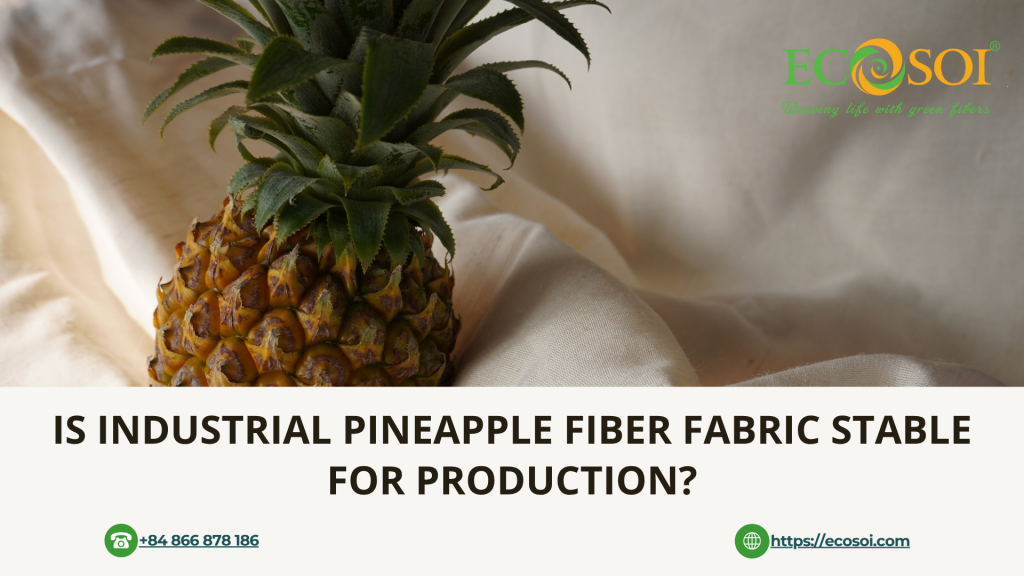
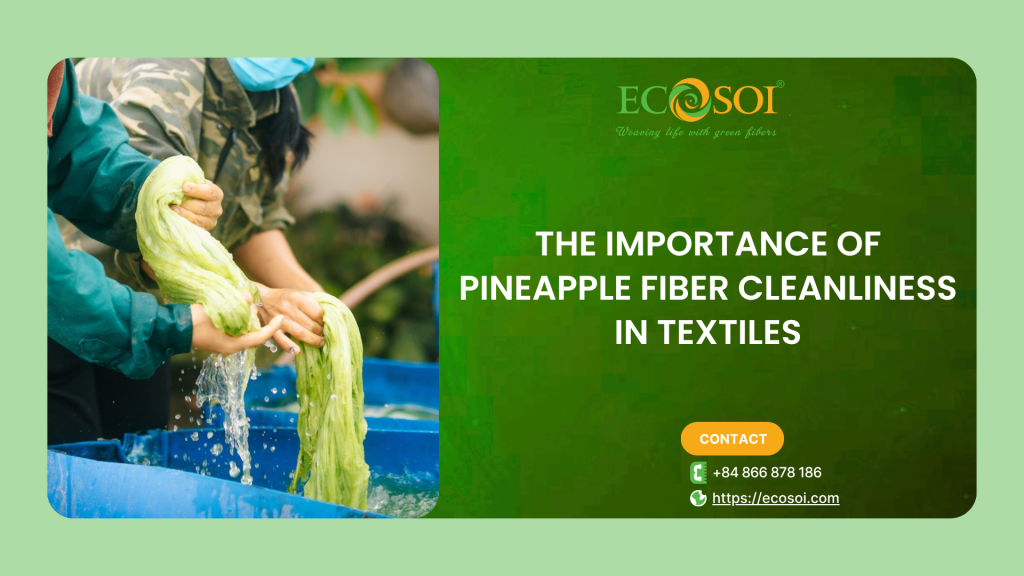
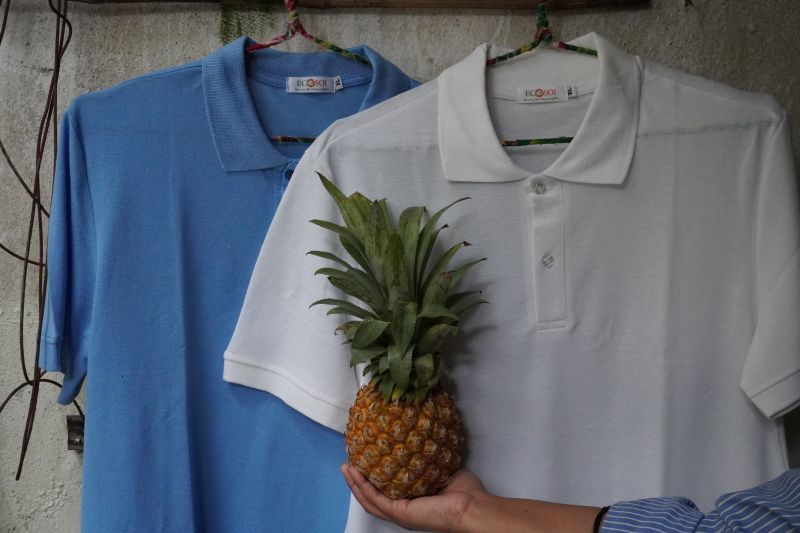
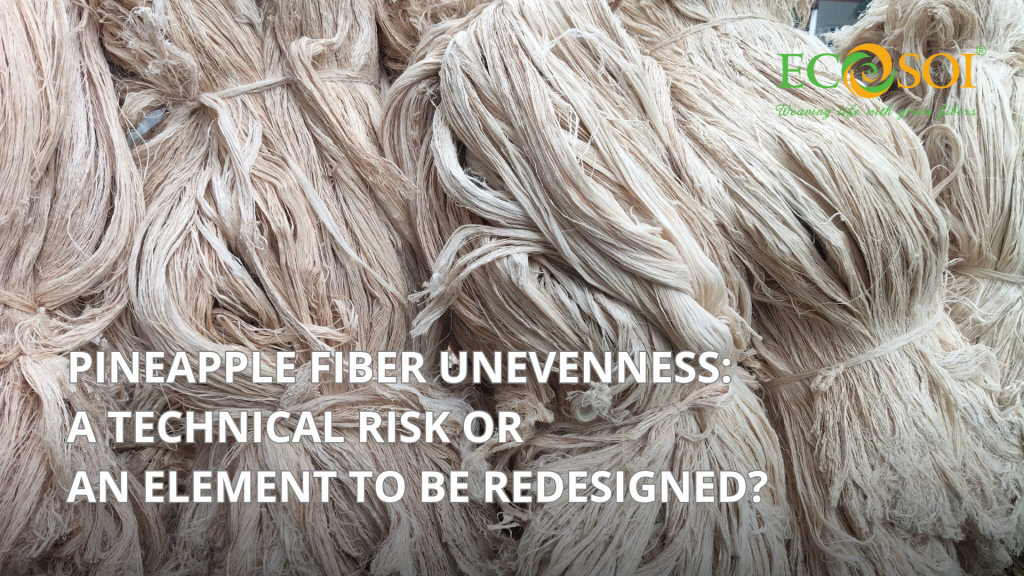
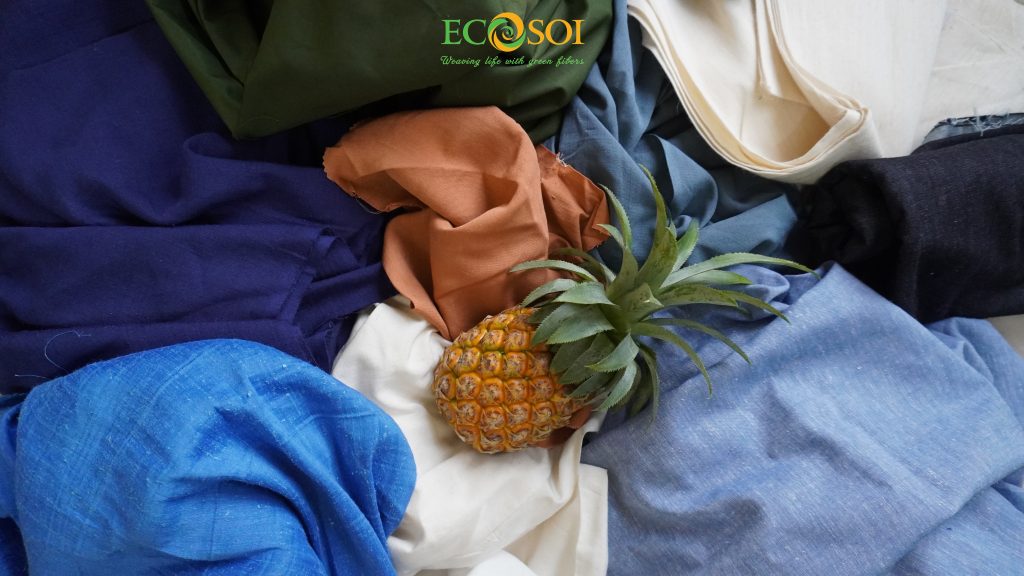
For instance, regarding pineapple fiber from agricultural by-products, Ecosoi applies mechanical extraction technology. This process uses clean water, which cuts out harsh chemicals completely. Meanwhile, the enterprise scientifically blends natural fibers with regenerated fibers. This smart solution optimizes durability during use, creating a perfect balance for the circular economy equation.
THE IMPACT OF LCA DATA ON LONG-TERM TEXTILE STRATEGIES
For B2B clients, understanding both material groups is extremely important. It helps businesses build smart product portfolios. Detailed LCA data acts as an obligatory passport. Textile products absolutely need it to overcome international technical barriers.
Besides, for mass consumers (B2C), honesty is the golden key. Transparent communication about the material life cycle effectively builds strong brand trust. Modern consumers are willing to accept the complexity of green fashion. However, enterprises must provide authentic and objective data.
CONCLUSION
The ultimate purpose of comparing natural materials and regenerated materials is not to find a single winning material. The core meaning is to help buyers understand fabric properties correctly. They will clearly grasp the technical limits of each textile type. True sustainability does not lie in the material itself standing alone. It lies in how businesses deeply understand, apply, and take responsibility throughout the entire life cycle.
Explore more: Sustainable Materials: True Value or Just a Story? – ECOSOI – Weaving life with green fibers
Update latest solutions and specialized documents on ecological material life cycle certifications: