 VIETNAMESE
Digital Product Passport for Textiles: What Must Businesses Prepare?
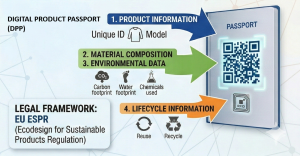
The Digital Product Passport (DPP) is an electronic data system. It stores vital information throughout a product’s entire lifecycle.
This system provides detailed data on material composition, origin, production processes, and environmental impact. Additionally, the DPP includes transparent reuse and recycling instructions for the end-user.
According to the European Commission, the DPP is a core component of the Ecodesign for Sustainable Products Regulation (ESPR). This regulation is part of the European Union’s circular economy strategy. Notably, the European Parliament has approved the DPP rollout plan by product group. In this plan, textiles are the top priority.
Nội dung chính:
Why is the Digital Product Passport Becoming Mandatory?
The textile industry has long been known for its significant environmental impact. According to the European Environment Agency (EEA), textiles rank among the highest sectors for water, land, and resource consumption. The industry also emits massive amounts of greenhouse gases.
Therefore, the EU demands that brands increase the transparency of their entire supply chain. Implementing the Digital Product Passport brings clear benefits and requirements:
-
Trace the origin of materials from the very first stage to the final product.
-
Verify sustainability claims, strictly limiting “greenwashing” practices.
-
Support the recycling process and actively promote a circular economy.
-
Increase transparency in Environmental, Social, and Governance (ESG) reporting.
Therefore, businesses exporting to the EU need to prepare immediately. The DPP will no longer be a voluntary choice for brand image. It is becoming a mandatory ticket to enter this market.
What Data Does the Textile DPP System Include?
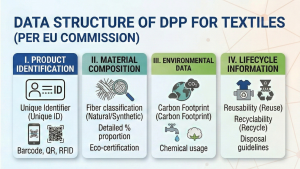
According to the European Commission, a standard Digital Product Passport will contain four main groups of information:
-
Product Identification Information: This includes a digital identifier (like an RFID tag) and a QR code or equivalent scanning technology.
-
Material Composition: A detailed breakdown of fiber percentages, classification of natural or synthetic fibers, and relevant eco-certifications.
-
Environmental Data: Reports on carbon emissions, total water consumption during production, and a list of chemicals used.
-
Lifecycle Information: Assessments of reusability, the percentage of recyclable materials, and guidelines for safe post-use product disposal.
Thus, this data system does not only serve customs or environmental regulatory agencies. It directly helps consumers make much more responsible purchasing decisions.
4 Steps Textile Businesses Must Prepare for the DPP Regulation
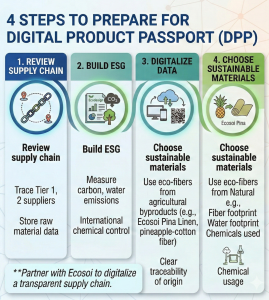
Review and Standardize the Supply Chain
First, businesses must thoroughly check their entire supply network. You must be able to trace data down to Tier 1 and Tier 2 suppliers. Simultaneously, you must transparently store data regarding raw material origins and intermediate processing steps (like dyeing and weaving). This is crucial for brands wanting to maintain market share in the EU.
Build an ESG Management System
The DPP is closely linked to ESG metrics. Therefore, organizations must actively measure carbon emissions, track water consumption, and control chemicals to international standards. You should also create regular sustainability reports. EU brands increasingly demand detailed ESG data from B2B partners; lacking this will cost you your competitive advantage immediately.
Digitize Product Databases
Because the nature of this regulation is digital, factories must invest heavily. You must standardize material databases and maintain secure electronic records. Integrating QR codes on product labels and syncing information between the factory and the brand is essential. The sooner you digitize, the lower your future transition costs will be.
Prioritize Sustainable, Traceable Materials
Input materials are the “soul” of DPP data. Businesses must collaborate with suppliers who can provide clear traceability. They must also provide environmental metrics and support international certifications.
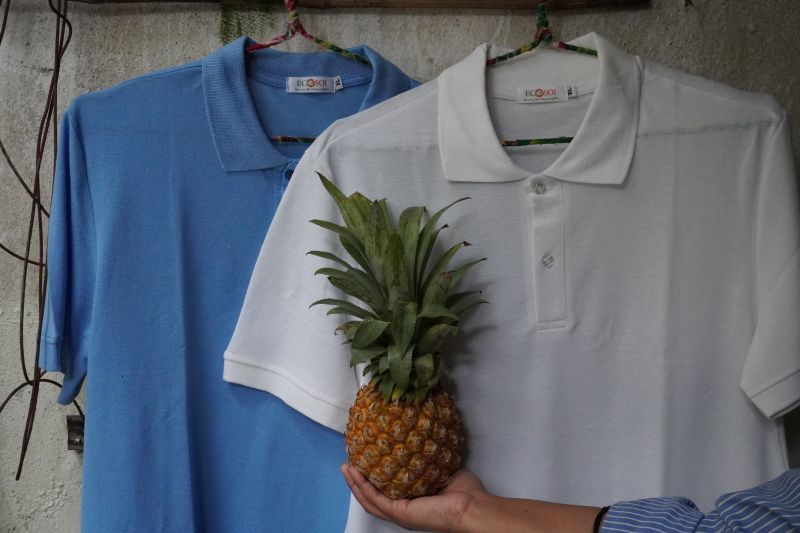
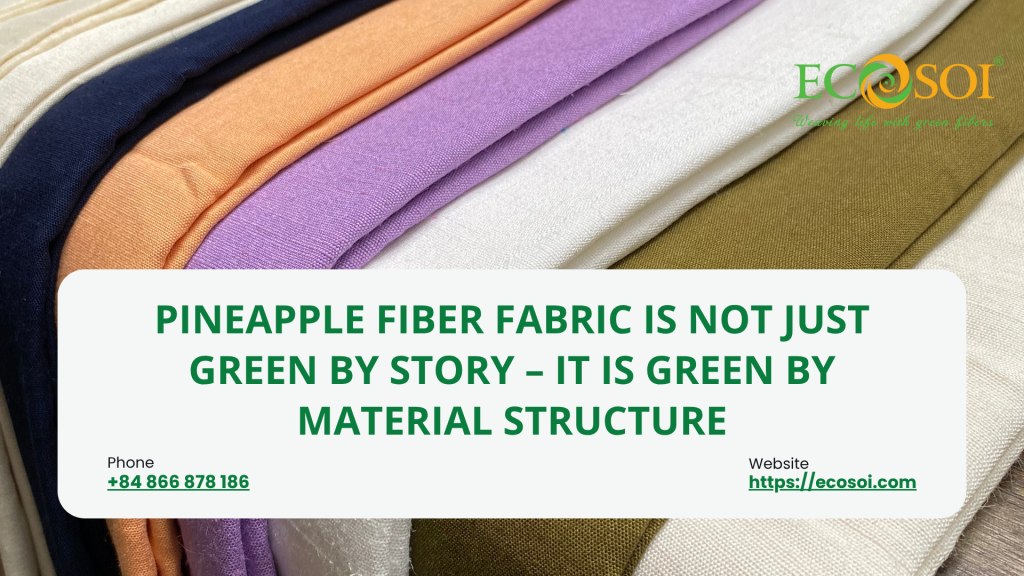
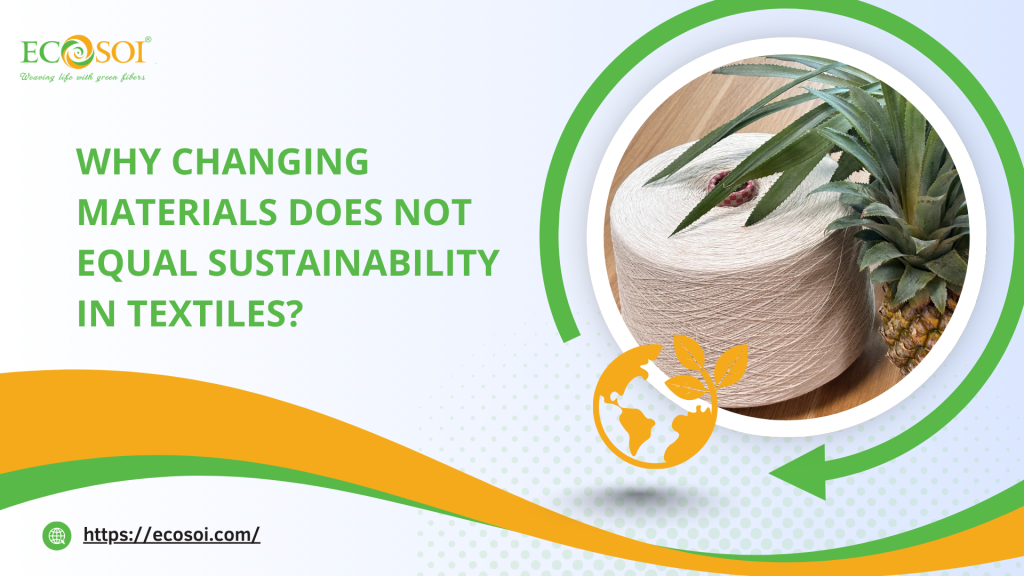
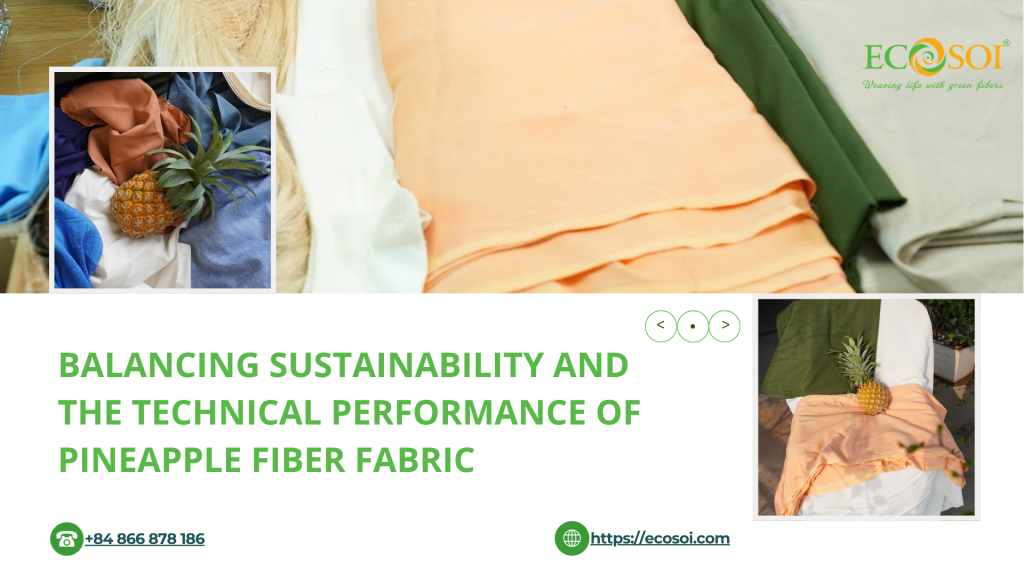
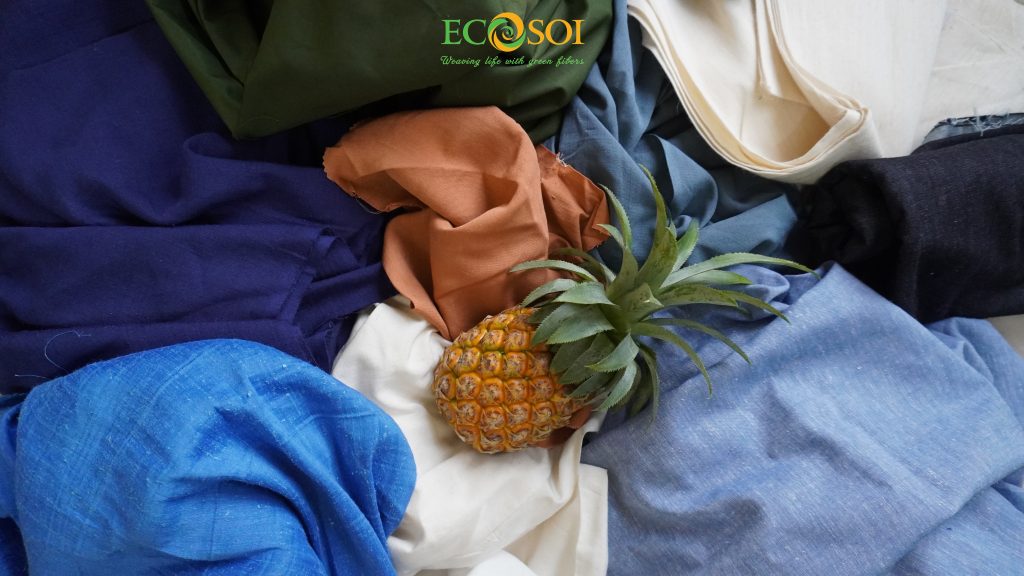
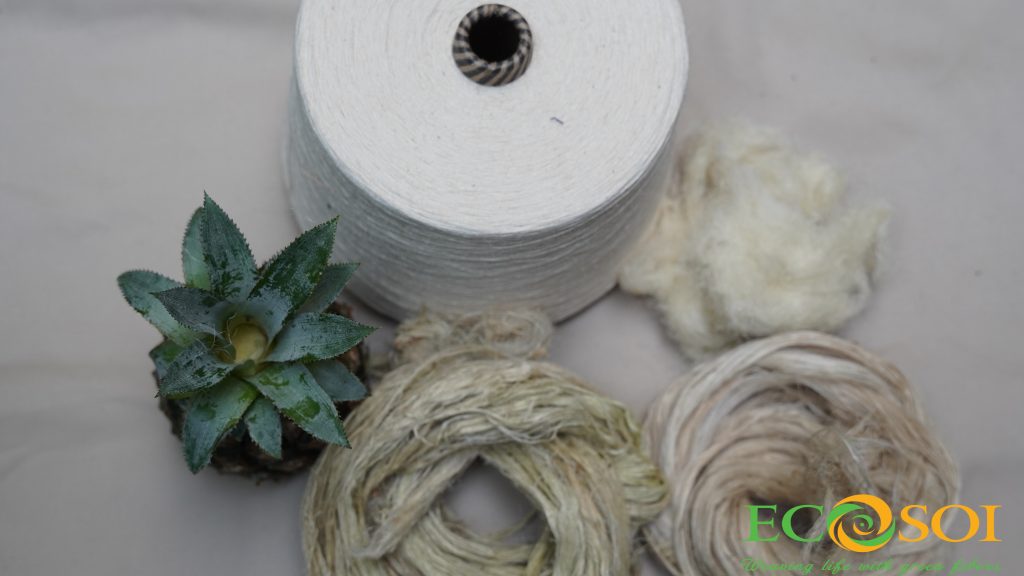
Ecosoi deeply understands this requirement. We have successfully developed eco-friendly materials from agricultural byproducts to solve this problem. Materials like Pina Linen or our standardized 40% pineapple fiber – 60% cotton blend possess transparent traceability profiles. Ecosoi’s ability to provide clear data on composition and production processes will be a solid foundation, helping fashion brands easily integrate into their own Digital Product Passport systems.
A Strategic Opportunity for Vietnamese Businesses
The new regulation creates immense pressure to eliminate non-compliant players. However, it is also a “golden” opportunity to restructure your business model. Organizations that proactively adapt early will easily become long-term strategic partners of international brands. You will increase your prestige in the global supply chain and attract top-tier design studios.
Conversely, delays in digital transformation and greening could result in your business being eliminated from the common market.
Frequently Asked Questions (FAQ)
Is the DPP mandatory for all Vietnamese businesses?
If your business (or your buying partner) exports the final product to the EU market, this will become mandatory under the EU’s upcoming roadmap.
When will this regulation officially apply to the textile industry?
The EU is rolling this out by specific product groups. Textiles are ranked as the top priority in the circular economy strategy and are expected to be legally bound in the coming years.
Does the Digital Product Passport affect B2C brands?
Absolutely. End consumers will directly scan the QR code to view the product’s lifecycle. This transparency directly affects the brand’s positioning and reputation in the public eye.
Conclusion
The Digital Product Passport for textiles is reshaping commercial standards in the EU. Transparent supply chain data, standardized ESG measurement, and choosing the right sustainable materials are the keys to survival and growth.
Ecosoi is committed to accompanying factories and fashion brands on their green transition journey. We provide transparent eco-fiber sources so you can confidently overcome the strictest technical barriers.