 VIETNAMESE
5 QUESTIONS TO ASK YOUR NATURAL FIBER SUPPLIER BEFORE PLACING AN ORDER
When choosing natural fibers such as cotton, linen, hemp, pineapple fibers, or bamboo, your decision affects more than aesthetics. It also impacts cost, durability, sustainability, and your brand reputation. To avoid issues such as inconsistent quality, shipment delays, or unsupported green claims, make sure you ask your supplier these five essential questions before signing your first order.
Nội dung chính:
What certifications do you have for quality and sustainability?
Certifications show a supplier’s credibility. They verify product quality and confirm that production follows strict environmental and social standards.
Key certifications include:
-
GOTS (Global Organic Textile Standard): Ensures the fiber comes from organic materials. It also requires tight environmental controls and fair labor conditions.
-
OEKO-TEX Standard 100: Confirms the fiber or fabric does not contain harmful chemicals. This is crucial for products that touch the skin, such as childrenswear and underwear.
-
GRS (Global Recycled Standard): Applies to recycled materials. It verifies recycled content and requires certification across the supply chain.
How to verify certifications
When a supplier claims to have certifications, ask for copies with seals and issue dates. Each certificate should show the issuing body, validity period, and applicable scope. Therefore, check whether the certificate is still valid and whether it matches the fiber you plan to buy.
What is the origin and composition of the fiber?
Understanding the fiber’s origin and composition helps you evaluate quality. It also allows you to choose the right material for your needs.
Common types of natural fibers
Natural fibers fall into two groups: plant-based and animal-based.
-
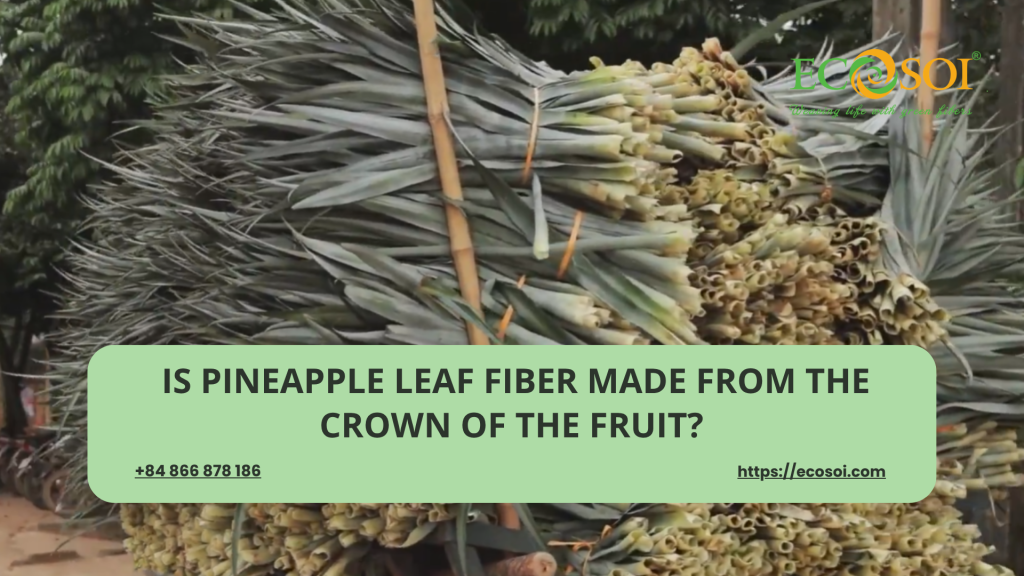
Plant fibers: cotton, linen, jute, hemp, bamboo, and newer options like pineapple or banana fibers. For example, cotton is popular because it is soft and absorbent. Linen feels cool, making it ideal for warm climates. Pineapple fibers offer natural antibacterial properties and excellent moisture absorption.
-
Animal fibers: wool, silk, cashmere, and mohair. Silk is known for its smooth feel and natural sheen. Wool provides strong insulation.
Questions to ask
Ask about the geographic origin of the raw materials because characteristics vary by region. Also confirm whether the fiber is 100% natural or blended. Some suppliers mix natural and synthetic fibers to increase strength or reduce cost; therefore, blending must be disclosed clearly.
In addition, ask about cultivation or farming methods. Are the raw materials grown organically? Do farmers use pesticides or chemicals? For animal fibers, do they follow animal welfare standards?
What are the detailed technical specifications?
Request a spec sheet for every fiber code. It should include percentage composition, impurity levels, fineness, staple length for short fibers, density, thickness or GSM for fabrics, color codes, and tolerance for each parameter. A complete spec sheet reduces misunderstandings and helps prevent disputes about quality. Many major brands use a standard spec template and ask suppliers to sign it before mass production.
What are your quality control and environmental practices?
Questions about production and environmental management reflect both product quality and social responsibility.
Quality control
Ask about the supplier’s quality management system. Do they follow ISO 9001? Do they test fibers at different production stages? Which metrics do they evaluate—tensile strength, uniformity, shrinkage, or colorfastness?
Environmental practices
Dyeing and finishing create significant environmental impact. Therefore, ask which dyes the supplier uses. Are they natural dyes or azo-free dyes? Do they recycle wastewater? Is wastewater treated before discharge?
Some advanced suppliers now adopt sustainable technologies such as solar energy, water recycling in dyeing, and reducing coal-based energy use.
Traceability
Traceability shows supply-chain transparency. Can the supplier provide information from raw materials to the final product? Can they verify the origin of each batch? This is crucial if you want to market your products as sustainable and traceable.
What are the commercial terms: MOQ, lead time, costs, and return policy?
Besides quality, commercial terms affect your operational efficiency.
-
MOQ: Does it fit your production plan?
-
Lead time: Ask for a clear breakdown of production, testing, and shipping time.
-
Return or exchange policy: If the goods do not meet the agreed specifications, who pays for return shipping? This detail must appear in the contract.
-
Payment terms: L/C, T/T, deposit percentage, and payment deadlines.
Many suppliers are open to negotiating MOQ for first-time or small buyers. They may accept a smaller quantity if sample fees apply or if the unit price is slightly higher.
Conclusion
Choosing the right natural fiber supplier is a strategic decision that shapes your long-term success. Therefore, do not hesitate to ask questions or request proof. A reliable supplier will offer transparent information and support every step.
Investing time in evaluation helps you avoid significant costs and problems later. As sustainability becomes more important in fashion, working with responsible natural fiber suppliers allows you to create high-quality products while contributing to a greener textile future.