 VIETNAMESE
When fashion is more than appearance: where does true value lie?
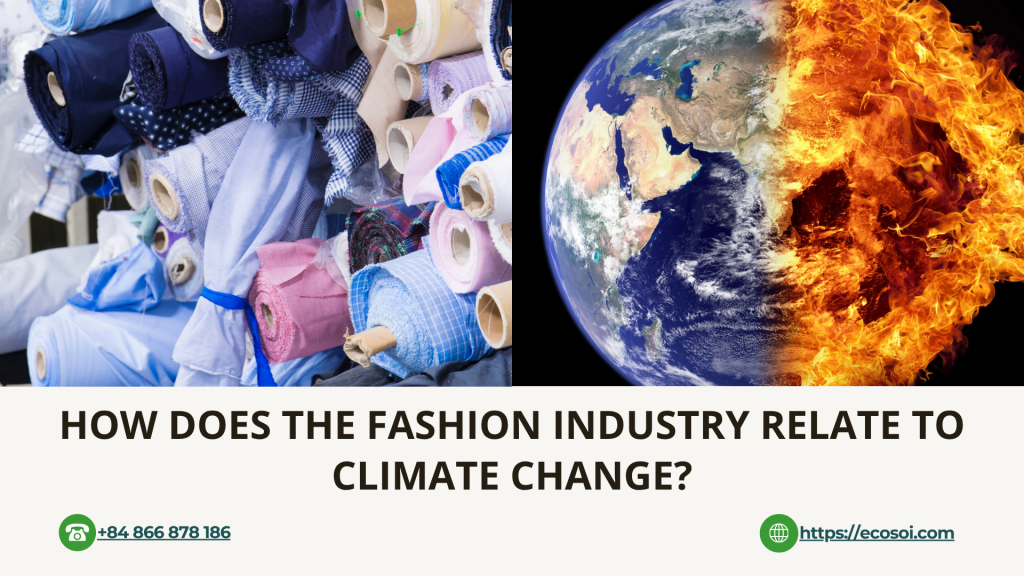
In an era where clothes can be purchased with just one click, owning a new shirt has never been easier. However, behind that convenience lies another story – the story of the environmental impact of the fast fashion industry.
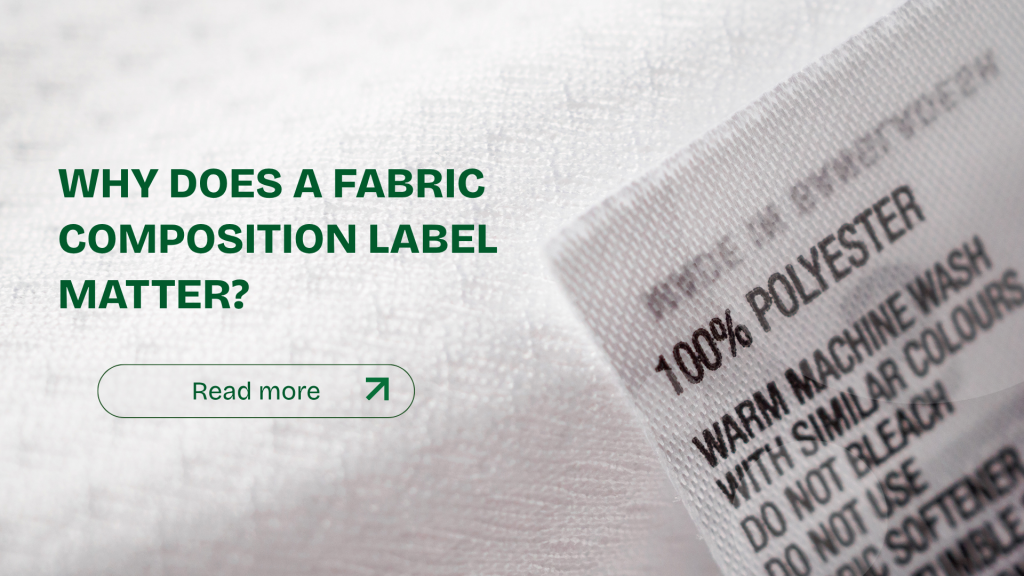
According to statistics, a polyester shirt can take up to 200 years to decompose completely. During that time, millions of tons of textile waste silently affect the soil, water, and living organisms around us.
Nội dung chính:
Behind convenience – the true cost of fast fashion
Fast fashion was born to meet the constant demand for newness, offering convenience and affordability. Yet, the rapid pace of production and consumption comes at the cost of excessive exploitation of natural resources.
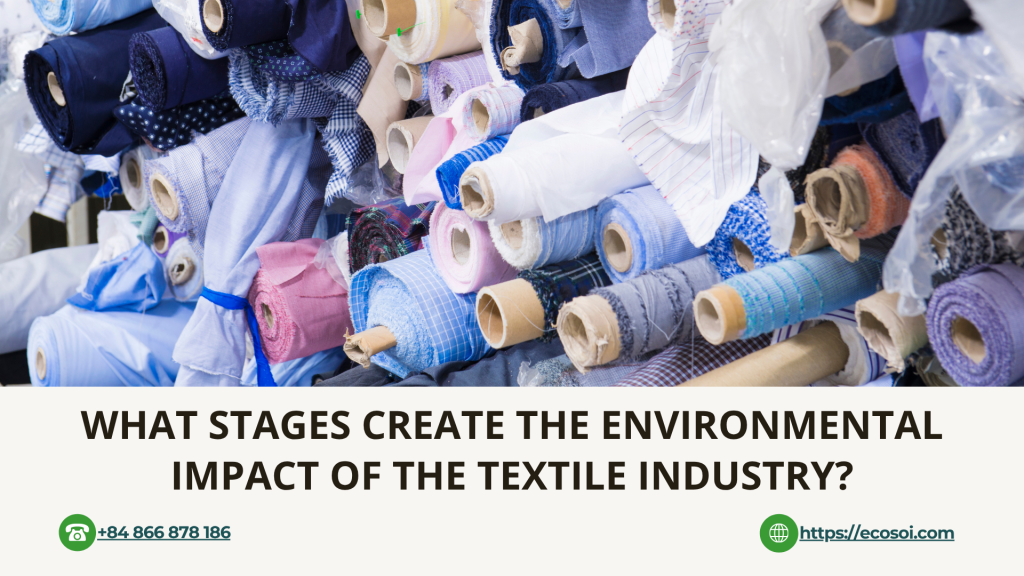
To make a low-cost shirt, thousands of liters of water, energy, and chemicals are consumed. Synthetic materials such as polyester – popular for being cheap and easy to produce – are not biodegradable, persisting in the environment for centuries and breaking down into microplastics that infiltrate water sources and the human food chain.
“Low price” therefore doesn’t just reflect the shopping cost, but also the environmental cost that the planet is paying: from water pollution and CO₂ emissions to millions of tons of clothing being buried in landfills each year. This is no longer just a story of the fashion industry but a global challenge of sustainable development.

When fashion becomes a conscious choice
Today, “beautiful fashion” is not only about aesthetics but also an expression of a responsible lifestyle toward the environment and society. Modern consumers — especially younger generations — are shifting their shopping mindset toward transparency, natural origins, and sustainability.
Global fashion brands are making great efforts to transform: recycling fibers, optimizing production to reduce emissions, and using eco-friendly materials. This movement is also growing strongly in Vietnam, as consumers increasingly realize that every purchase leaves an ecological footprint.
Ecosoi Vietnam is one of the pioneering companies pursuing that mission – bringing fashion back to nature, where creativity goes hand in hand with responsibility.

Ecosoi and the journey of rebirth from pineapple leaves
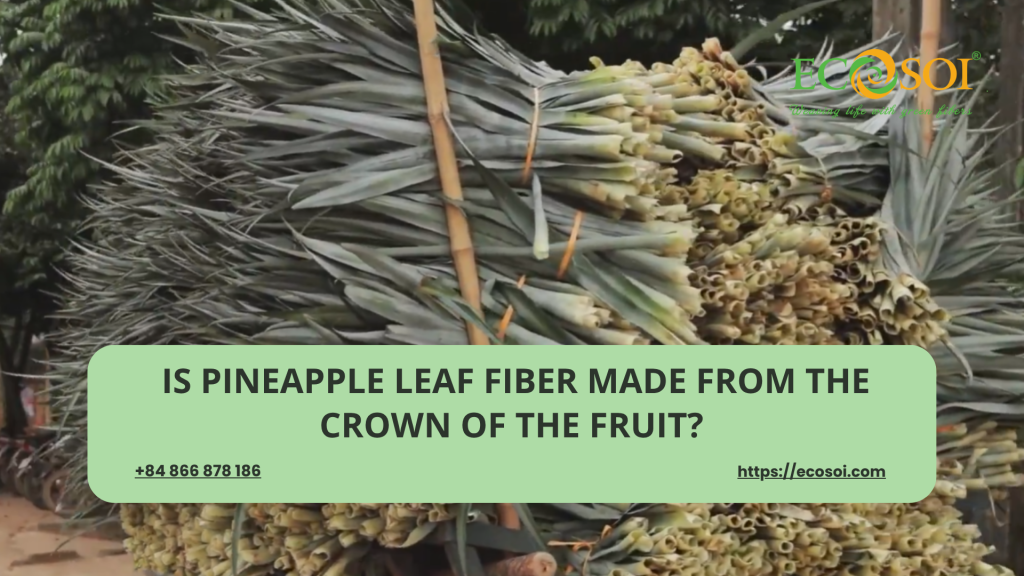
From the vast pineapple fields across Vietnam, Ecosoi saw a new life opportunity in agricultural by-products once considered worthless. Every year, millions of tons of pineapple leaves are discarded after harvest, often burned or left to decompose naturally, causing air and soil pollution. Ecosoi chose a different path – turning pineapple leaves into a green raw material for the textile industry.
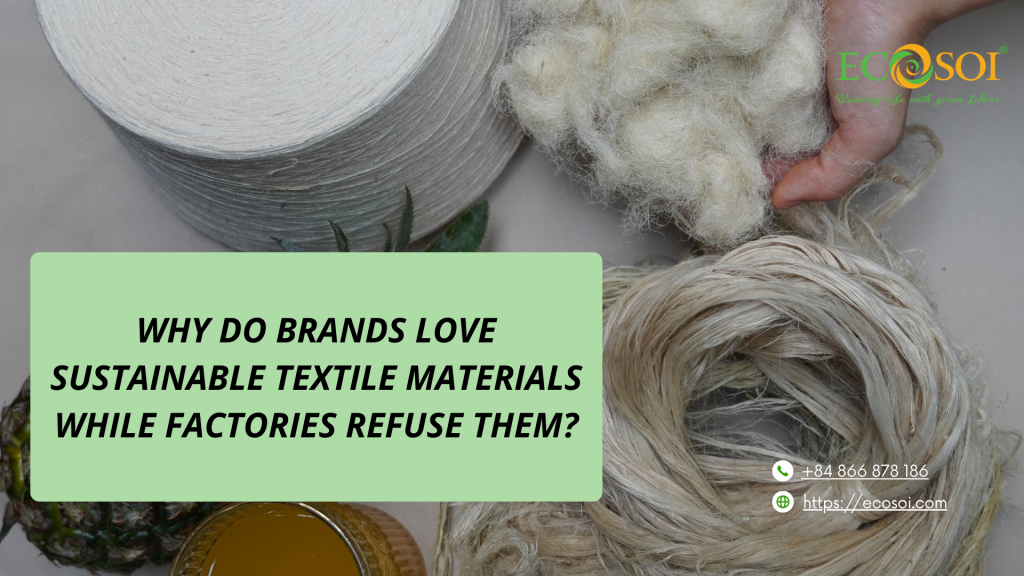
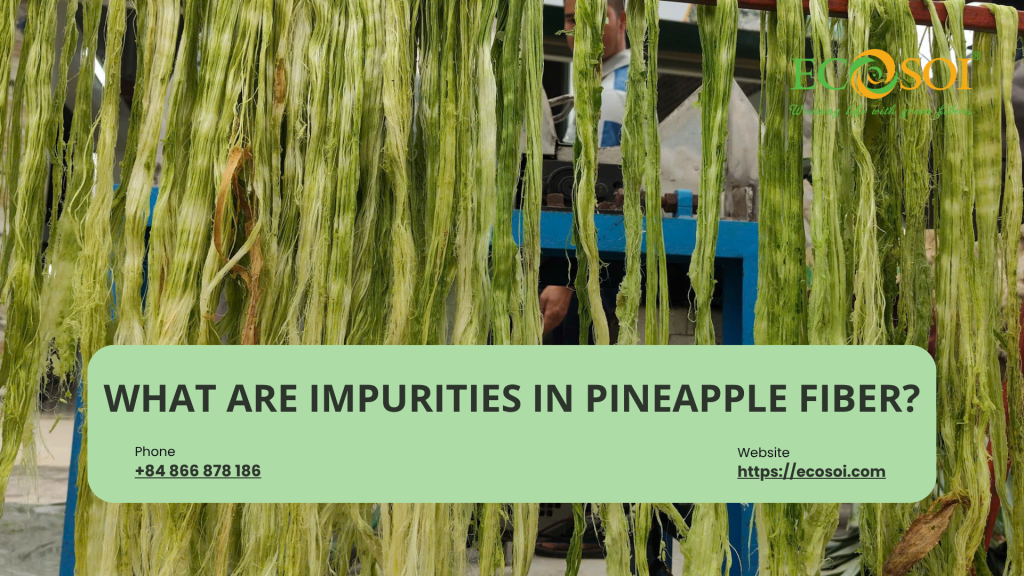
Through a chemical-free mechanical extraction process, the cellulose fibers in pineapple leaves are separated and processed, then blended with cotton, viscose, or other natural fibers to create pineapple fiber fabric. This material is not only lightweight, breathable, and durable but also fully biodegradable — returning to the earth after its life cycle ends.
Each meter of pineapple fiber fabric is the crystallization of science, creativity, and the philosophy of “reborn from nature to serve nature.”

The future of sustainable fashion in Vietnam – starting from small choices
If it takes 200 years for a synthetic shirt to decompose, then with one conscious choice today, we can bring that number down to zero — by choosing natural materials that return to the earth.
When you choose pineapple fiber fabric from Ecosoi, you are not only supporting a “green” product but also contributing to a circular value chain where people, businesses, and nature grow sustainably together. Ecosoi believes that the future of Vietnamese fashion does not lie in production speed, but in authenticity and meaning behind every product.
Because if ordinary clothes make the Earth “pay the price” for hundreds of years, then a shirt made from pineapple leaf fiber is a gift returned to nature – gentle, pure, and full of responsibility.